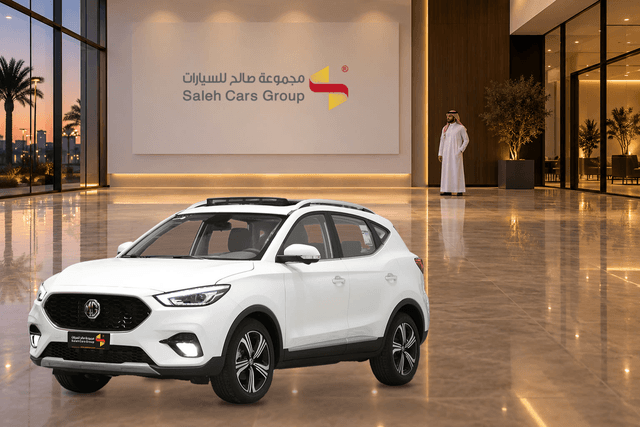
MG Models 2025 and 2026: Trims, Specs and Buying Guide
Table of Contents:
|
The MG models listed on our site that this guide covers are five: a small hatchback, the MG 3; three sedans, the MG 5, MG GT and MG 7; and one crossover, the MG ZS. This guide explains how they differ in size, engine and equipment, which buyer each model suits, and how to compare trims before buying, and you can browse every car listed for the brand on the MG cars page of our site. MG is a car brand of British origin that is owned today by a Chinese group.
MG Models on Our Site and Their Specs
The table below summarises one listed trim of each model. The specs are taken from the car pages on our site; they belong to the trim shown and vary by trim and model year, so open the car page to check the trim you are interested in before you decide.
| Listed trim | Type | Engine | Power | Torque | Transmission | Drive | Seats |
| MG 3 STD 2025 | Hatchback | 1.5 L, 4 cylinders | 109 HP | 140 Nm | CVT | Front | 5 |
| MG 5 STD 2025 | Sedan | 1.5 L, 4 cylinders | 118 HP | 150 Nm | CVT | Front | 5 |
| MG GT COM CVT 2026 | Sedan | 1.5 L, 4 cylinders | 118 HP | 150 Nm | CVT | Front | 5 |
| MG 7 STD 2025 | Sedan | 1.5 L turbo, 4 cylinders | 185 HP | 300 Nm | Automatic | Front | 5 |
| MG ZS LUX 2025 | Crossover | 1.5 L, 4 cylinders | 112 HP | 150 Nm | CVT | Front | 5 |
The table shows that all the listed trims use a 1.5 L four-cylinder petrol engine with front-wheel drive and seat five. The biggest differences come from the turbocharger in the MG 7, from the body style, whether hatchback, sedan or crossover, and from the level of interior equipment in each trim.
For the City and Daily Use: MG 3, MG 5 and MG GT
This group suits drivers who spend most of their time in the city and want a car that is easy to park and use every day, whether for commuting or short family errands.
The MG 3 is the smallest of the models in this guide, with a hatchback body that makes moving and parking in busy streets easier. The listed STD 2025 trim has 109 HP and 140 Nm of torque with a CVT, fuel economy stated on its page as 17.8 km/L, and 15 inch wheels. Its equipment includes fabric seats, electronic air conditioning, a 10.25 central touchscreen, a 7 instrument display and a rear camera, along with iPhone and Android app projection and Bluetooth.
The MG 5 is a practical sedan for a small family, listed for 2025 in two trims: Standard and Standard New Shape. The trim in the table has 118 HP, 150 Nm of torque, a CVT and 16 inch wheels, with fabric seats, electronic air conditioning and a 10 central touchscreen with iPhone and Android apps and Bluetooth. Families will note that the listing mentions an ISOFIX child seat mounting system.
The MG GT is a sedan with the same 1.5 L engine in the listed trim, producing 118 HP and 150 Nm of torque on 16 inch wheels. It stands out for its range of trims across 2025 and 2026, including a CVT version and a DCT version of the 2026 Comfort (COM) trim. The listed trim comes with push-button start, a leather steering wheel, 4 speakers, a 10.1 touchscreen and a rear camera, along with iPhone and Android apps and Bluetooth.
For Long Trips and More Power: MG 7
The MG 7 is the most powerful of the trims shown in the table: the engine of the STD 2025 trim is a 1.5 L turbo producing 185 HP and 300 Nm of torque with an automatic transmission, and its page states fuel economy of 19.3 km/L. This higher torque helps when overtaking on highways and when travelling between cities fully loaded.
The MG 7 suits those who spend long hours on the road with their family, as the listing mentions air conditioning vents for the second row, leather seats, a leather-wrapped steering wheel, a smart entry system and push-button start. The cabin has a 10.25 inch central touchscreen and a 12.3 inch digital instrument display with Apple CarPlay and Android Auto, and it rides on 18 inch wheels. It is listed in two trims for 2025: STD and DEL.
A Crossover With a Higher Driving Position: MG ZS
The MG ZS is the only crossover among the models covered in this guide, and it suits those who prefer sitting higher than in a sedan while keeping a size that works in the city. The listed LUX 2025 trim has 112 HP, 150 Nm of torque and a CVT, fuel economy stated on its page as 17.2 km/L, and 17 inch wheels.
This trim carries equipment that families notice, including a panoramic sunroof, a surround-view camera, synthetic leather seats and a 10 central touchscreen, plus auto hold with an electronic parking brake and push-button start and stop. The MG ZS is listed for 2025 in three trims: NEW STD, LUX and Luxury New Shape. If rough desert trips are a priority for you, note that the listed trim is front-wheel drive, so it is better suited to paved roads.
How Do You Compare MG Trims Before Buying?
A single model may come in more than one trim, and trims differ in transmission, equipment and exterior styling. These are the trims listed on our site for each model:
- MG 3: STD 2025.
- MG 5: STD and Standard New Shape 2025.
- MG GT: Lux and COM 2025, and COM CVT and COM DCT 2026.
- MG 7: STD and DEL 2025.
- MG ZS: NEW STD, LUX and Luxury New Shape 2025.
When comparing two trims of the same model, focus on these points:
- Transmission: a CVT feels smooth in traffic, a DCT is a dual-clutch gearbox, and the MG 7 uses a conventional automatic; try each type on a test drive.
- Model year and styling: compare the new shape trim with the earlier trim of the same model, and ask for photos of the exact trim you plan to buy.
- Seats and air conditioning: fabric, synthetic leather or leather, and rear air vents if you often carry passengers in the back.
- Camera and screens: a rear camera or a surround-view camera, and the size of the central screen and instrument display.
- Wheel size: from 15 inch on the MG 3 to 18 inch on the MG 7 across the listed trims.
Before you sign for any trim, read the new car buying guide with checks before delivery to know what to verify in the contract and when you take the car.
Buying MG Models: Price, Offers and Finance
The current price of each trim is shown on its own car page, which is why this guide gives no figures, as they change by trim and over time. To see what is currently offered on cars, browse the current offers page, and if you are thinking of buying in instalments, use the car finance calculator to estimate the monthly instalment before you apply.
The listed MG models can be viewed at the Saleh Cars Group branches, or you can ask about any trim on the unified number 920022122. For branch locations, opening hours and other ways to get in touch, open the contact and branches page.
Frequently Asked Questions About MG Models
Which MG models are listed on your site?
This guide covers five listed models: the MG 3 hatchback, the MG 5, MG GT and MG 7 sedans, and the MG ZS crossover, with model years 2025 and 2026 depending on the model and trim.
How much power does the MG 7 STD 2025 have?
According to its car page, the 1.5 L turbo engine produces 185 HP and 300 Nm of torque with an automatic transmission. Figures may differ on the DEL trim, so check that trim’s own page.
What is the difference between the MG GT COM CVT and COM DCT?
The main difference is the transmission: a CVT is a continuously variable transmission and a DCT is a dual-clutch transmission. Both trims are listed for 2026, and it is best to try both and compare their pages before choosing.
What is the price of the MG 2026?
The price differs by model and trim; the current price of each trim is on its car page, you can see what is currently offered on the offers page, and you can estimate the instalment with the finance calculator.
Is the MG ZS 2025 suitable for a family?
It seats five, and the listed LUX trim includes a panoramic sunroof, a surround-view camera and synthetic leather seats, which are useful for family use in the city and on medium-length trips.
Conclusion
The MG models listed with us cover different needs: the MG 3 for the city, the MG 5 and MG GT for daily use and small families, the MG 7 for those who want more power and longer trips, and the MG ZS for those who prefer a crossover. Compare trims on the car pages, and to see every option return to the MG cars page.
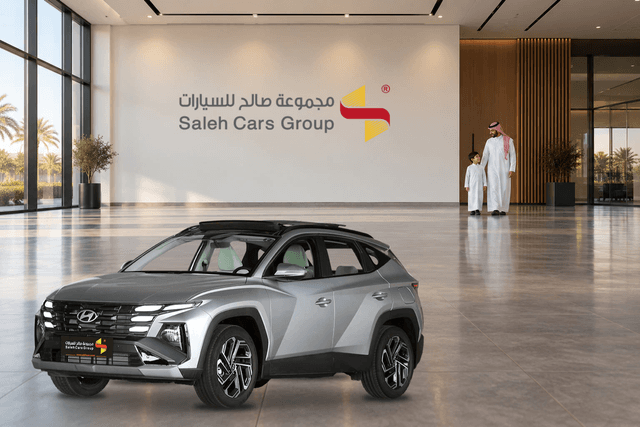
Hyundai Models 2026: Trims, Specs and Which Suits You
Table of Contents:
|
The Hyundai models 2026 listed on our site are twelve models, starting with economical sedans, moving through crossovers and compact SUVs, and reaching seven-seat SUVs and MPVs and the nine-seat Staria van. This guide compares their engines, power, seats and drive type, and explains which suits each kind of buyer; you can browse every trim on the Hyundai cars page. Hyundai is a South Korean car brand.
Hyundai Models 2026 Table on Our Site
The table summarises the specs of one representative trim of each model as shown on its page on our site. These specs belong to that trim and vary by trim and model year, so check the car page of the trim you want before deciding.
| Model | Type | Engine | Power | Seats | Drive |
| ACCENT | Sedan | 1.5 L, 4 cylinders | 115 HP | 5 | Front-wheel |
| ELANTRA | Sedan | 1.5 L, 4 cylinders | 113 HP | 5 | Front-wheel |
| SONATA | Sedan | 2.5 L, 4 cylinders | 194 HP | 5 | Front-wheel |
| AZERA | Large sedan | 3.5 L V6 | 300 HP | 5 | Front-wheel |
| Venue | Small crossover | 1.0 L turbo, 3 cylinders | 120 HP | 5 | Front-wheel |
| KONA | Compact crossover | 2.0 L | 149 HP | 5 | Front-wheel |
| CRETA | Compact SUV | 1.5 L, 4 cylinders | 115 HP | 5 | Front-wheel |
| TUCSON | Family SUV | 2.0 L, 4 cylinders | 156 HP | 5 | Front-wheel |
| Creta Grand | Family SUV | 2.0 L | 159 HP | 7 | Front-wheel |
| Stargazer | Family MPV | 1.5 L, 4 cylinders | 115 HP | 7 | Front-wheel |
| SANTAFE | Family SUV | 2.5 L turbo, 4 cylinders | 290 HP | 7 | Full-time four-wheel |
| STARIA | Van | 3.5 L, 6 cylinders | 272 HP | 9 | Front-wheel |
Most models are listed in 2025 and 2026 versions, while the Azera and Stargazer appear as 2025, the Venue as 2024 and 2025, the Kona from 2024 to 2026, and the SANTAFE as 2024.
Hyundai Sedans for Daily Driving and Highways
The Hyundai Accent is a small sedan for everyday use. The GL Fleet 2026 trim has a 1.5 L engine with 115 HP and an automatic transmission, with fuel economy of 18.1 km/L and 15 inch wheels. Its trims on the site are GL Smart, GL Comfort and GL Fleet.
The Hyundai Elantra is a compact sedan. The Smart 1.5L 2026 trim has 113 HP, 144 Nm of torque and a CVT, with fuel economy of 18.1 km/L, rear air conditioning and a rear camera. It is also listed with a 2.0 L engine in Smart and Smart Plus trims.
The Hyundai Sonata is a midsize sedan for buyers who want more space and power. The Smart 2026 trim has a 2.5 L engine with 194 HP, fuel economy of 15.1 km/L and 18 inch wheels, plus a panoramic roof and smart entry. Its trims are Smart, Comfort and Fleet, including black colour options.
The Hyundai Azera is a large sedan suited to drivers who cover long highway distances. The Calligraphy 2025 trim has a 3.5 L V6 with 300 HP and 366 Nm of torque, normal and sport drive modes, ventilated and heated seats, navigation, surround cameras and a head-up display. Its trims are Classic, Premium, Exclusive and Calligraphy.
Crossovers and Compact SUVs for the City and Small Families
The Hyundai Venue is a small crossover suited to city traffic. The GL Smart 2025 trim has a 1.0 L turbo three-cylinder engine with 120 HP, 16 inch wheels and rear air conditioning. For details, read about Hyundai Venue 2025 features for daily driving.
The Hyundai Kona is a compact crossover. The GL Smart 2026 trim has a 2.0 L engine with 149 HP and a CVT, with fuel economy of 16.6 km/L and 18 inch wheels. Its listed trims include GL Smart Hybrid 2024 and Premium LTD.
The Hyundai Creta is a five-seat compact SUV. The Comfort 2026 trim has a 1.5 L engine with 115 HP and a CVT, with fuel economy of 17.8 km/L, a panoramic roof and a cooled storage box. Its trims are Smart, Comfort and GL Alpha Edition.
The Hyundai Tucson is a five-seat family SUV. The Comfort 2.0L 2026 trim has 156 HP, fuel economy of 13.5 km/L and 19 inch wheels, with a panoramic roof and ventilated seats. The list also includes a GL Smart HTRAC trim, so if you need four-wheel drive, confirm the drive type on that trim page.
Hyundai for Large Families: 7 Seats or More
The Hyundai Creta Grand is a seven-seat SUV. The GLS Comfort 2026 trim has a 2.0 L engine with 159 HP and fuel economy of 14.7 km/L, plus a panoramic roof and rear side sunshades. It is also listed in a Smart 2.0L trim.
The Hyundai Stargazer is a seven-seat family MPV. The Smart 2025 trim has a 1.5 L engine with 115 HP and fuel economy of 17.8 km/L, with second-row air vents and a wireless charger. Its trims are BASE and Smart.
The Hyundai SANTAFE (Santa Fe) is a seven-seat SUV. The Black GLS Calligraphy 2024 trim has a 2.5 L turbo engine with 290 HP, full-time four-wheel drive, normal and sport drive modes, 21 inch wheels, ventilated and heated Nappa leather seats and surround cameras. Full-time four-wheel drive helps on long trips and unpaved roads. Its trims are GL - BSE, GL Smart, GL Smart Turbo and Black GLS Calligraphy.
The Hyundai Staria is a nine-seat van for large families and group trips. The Gasoline 2026 trim has a 3.5 L six-cylinder engine with 272 HP and fuel economy of 10.8 km/L, and it also appears in a Diesel 2025 trim.
How to Compare Hyundai Trims Before Buying?
- Decide on passenger numbers first: 5 seats in the sedans and crossovers, 7 in the Creta Grand, Stargazer and SANTAFE, and 9 in the Staria.
- Understand trim names: most models repeat the names Fleet, Smart and Comfort, while the Azera uses Classic, Premium, Exclusive and Calligraphy. Do not judge by the name alone; compare the equipment list on each trim page.
- Compare engines within the same model: the Elantra is listed with 1.5 L and 2.0 L engines, and the Tucson with 1.6 L and 2.0 L engines.
- Check the drive type, camera, panoramic roof and ventilated seats, because they differ from one trim to another.
- Note the model year, since some models are listed in 2024 or 2025 versions alongside 2026.
For the general steps before signing and delivery, see the step-by-step new car buying guide.
Hyundai 2026 Prices, Offers and Finance
This guide does not list prices because they change by trim and over time; the current price of each trim is shown on its car page, and you can find current offers on the current car offers page. To estimate instalments before visiting the showroom, use the car finance calculator.
The listed models can be viewed at Saleh Cars Group branches, and you can find addresses and contact options on the contact and branches page or via the unified number 920022122.
Frequently Asked Questions About Hyundai Models
Which Hyundai models 2026 are listed on your site?
Accent, Elantra, Sonata and Azera; Venue, Kona, Creta and Tucson; and Creta Grand, Stargazer, SANTAFE and Staria, in versions from 2024 to 2026 depending on the model.
What is the price of the Hyundai Creta 2026?
The price varies by trim, so check the page of the trim you want for its current price, the offers page for current offers, and the finance calculator to estimate instalments.
What is the difference between the Hyundai Creta and Creta Grand?
The Creta has five seats, and its Comfort 2026 trim has a 1.5 L engine with 115 HP. The Creta Grand has seven seats, and its GLS Comfort 2026 trim has a 2.0 L engine with 159 HP.
What are the Hyundai Kona 2026 specs?
The GL Smart 2026 trim has a 2.0 L engine with 149 HP, a CVT, fuel economy of 16.6 km/L and 18 inch wheels. Specs differ between trims, so check each trim page.
Which Hyundai model suits a large family?
The Staria seats nine for the most passengers, followed by the SANTAFE, Creta Grand and Stargazer with seven seats. Among them, the SANTAFE is the only one with full-time four-wheel drive in the listed trim.
Conclusion
For daily driving start with the Accent and Elantra, and for more space and power the Sonata and Azera. For the city with a higher seating position there are the Venue, Kona, Creta and Tucson, and for large families the Creta Grand, Stargazer, SANTAFE and Staria. Compare trims on the car pages, and browse the full list of Hyundai cars.
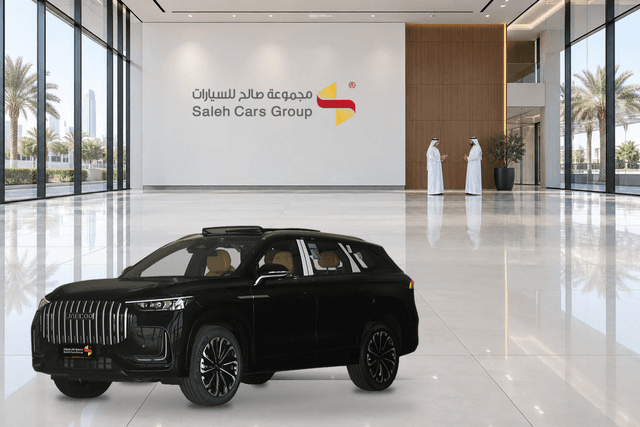
JAECOO Models 2026: J5, J7 SPORT and J8 Buyer Guide
Table of Contents:
|
The JAECOO models 2026 listed on our site are three SUVs, the J5, the J7 SPORT and the J8, and the J5 is listed in both 2026 and 2027 versions. The three differ in size, seating and engine: the J5 and the J7 SPORT are compact five-seaters with a 1.5 L petrol engine, while the J8 is the largest, with seven seats and a 2.0 L turbo engine. This guide explains how they differ, which trims are listed for each model and who each one suits, and you can browse every listed car on the JAECOO cars page. JAECOO is a Chinese car brand. The specifications here are those of the listed trim named with each model and may vary by trim and model year, so check the car page for the exact specifications of the trim you want.
Which JAECOO Models 2026 Are Listed on Our Site?
The table below shows the three models with the specifications of one listed trim per model, named in the second column. The values come from the site’s listings, and a dash means the value is not stated here and needs confirming on the car page.
| Model | Listed trim | Type | Engine | Power | Torque | Transmission | Seats | Drive |
| J5 | COM 2027 | Compact SUV | 1.5 L, 4 cylinders, petrol | 147 HP | 210 Nm | CVT | 5 | Front |
| J7 SPORT | Comfort 2026 | Compact SUV | 1.5 L turbo, 4 cylinders, petrol | 146 HP | 210 Nm | Automatic | 5 | Front |
| J8 | LUXURY 2026 | Seven-seat SUV | 2.0 L turbo, 4 cylinders, petrol | 261 HP | 400 Nm | Automatic | 7 | - |
The table shows that the J5 and the J7 SPORT are close in displacement, power, torque and seating, and the clearest differences between them are the transmission, wheel size, screens and the rest of the equipment. The J8 moves up to a larger size with a stronger engine, more torque and a third row of seats, so it speaks to a different buyer.
Compact SUVs for the City and Small Families: J5 and J7 SPORT
The JAECOO J5 is the compact entry point to the brand’s models. The listed COM 2027 trim has a 1.5 L four-cylinder petrol engine with 147 HP and 210 Nm, a CVT transmission and front-wheel drive, and the listing states fuel economy of 17.9 km/L. Its listed equipment includes a smart entry system, a rear camera, 17-inch wheels, a 9.2-inch instrument screen, an 8-inch central screen, driver and front passenger airbags, and front side airbags.
The site lists the J5 in several trims: COM (Comfort) in 2026 and 2027 versions, Premium and Lux in the 2026 version, plus an entry for the Luxury trim in Blue Gray. The J5 suits drivers who spend most of their time in the city and want a raised five-seater, and who care about the fuel economy figure, keyless smart entry and parking with the help of the rear camera.
If you are searching for the JAECOO J7, the model currently listed on our site is the JAECOO J7 SPORT in the Comfort 2026 trim. It has a 1.5 L four-cylinder turbo petrol engine with 146 HP and 210 Nm, an automatic transmission, front-wheel drive, five seats and 18-inch wheels. Its listing mentions a 10.25 LCD digital instrument cluster, a 13.2 touchscreen, a sound-insulating windscreen, remote air conditioning start from the key, an electronic child safety lock for the doors, four airbags and a rear camera.
The J7 SPORT suits buyers who want a compact size close to the J5 but with larger screens, larger wheels and comfort features such as starting the air conditioning remotely before getting in, a practical feature in the Saudi summer. Families with young children will also value the electronic child lock on the doors.
A Seven-Seat Family SUV for Long Trips: J8
The JAECOO J8 is the largest JAECOO model listed with us, and all of its listed trims are from the 2026 version. The reference LUXURY 2026 trim has a 2.0 L four-cylinder turbo petrol engine with 261 HP and 400 Nm, an automatic transmission, normal and sport drive modes, seven seats, 19-inch wheels and listed fuel economy of 15.2 km/L.
This trim’s listed equipment goes beyond the two compacts: a panoramic sunroof, adaptive cruise control, forward collision warning, ventilated and heated seats, a smart entry system, a power tailgate, and a driver display and a central screen listed at 12.3 each, both supporting Arabic. We have not stated the drive type for this trim because it needs confirming, so check it on the car page or ask the branch.
The listed J8 trims are Executive, Premium, Premium in Matte Gray and LUXURY. The J8 suits large families who need a third row of seats and drivers who often travel between cities, since adaptive cruise control helps on highways, the higher torque helps when the car is full of passengers and luggage, and ventilated seats ease the summer heat.
Which JAECOO Model Suits Your Use?
- For the city and daily commuting: the J5, with its compact size, five seats and the fuel economy stated in its listing.
- For larger screens in a compact car: the J7 SPORT, with a 13.2 touchscreen and 18-inch wheels.
- For a large family: the J8, with seven seats and a power tailgate that makes loading luggage easier.
- For long trips between cities: the J8, with adaptive cruise control, forward collision warning and a 2.0 L turbo engine.
- For desert and sandy roads: the reference trims in this guide do not show a four-wheel-drive system, so check the drive system on each trim’s page before deciding.
How Should You Compare JAECOO Trims Before Buying?
The model name alone is not enough, because equipment changes from trim to trim and from year to year. Open the page of each trim you are considering and compare them in the order below, then read the steps for buying a new car before signing and delivery before you complete the deal.
- Model year: the J5 is listed in 2026 and 2027 versions, so compare COM 2026 with COM 2027 on their own pages rather than relying on the name.
- Trim ladder: for the J5 compare COM, Premium and Lux, and for the J8 compare Executive, Premium and LUXURY, focusing on screens, airbags, camera, sunroof, ventilated seats and adaptive cruise control.
- Colour entries: the J8 Premium in Matte Gray and the J5 Luxury in Blue Gray appear as separate entries, so check whether the entry differs in equipment or only in colour.
- Engine, transmission and drive system: confirm them on the trim’s own page, especially the drive system of the J8.
- Viewing: see the trim at the branch, try the seats and screens, and check how easy it is to reach the third row of the J8 if you will use it often.
How Do You Find JAECOO Prices, Offers and Finance Options?
The current price of each trim is shown on the car page itself, so open the page of the trim you want rather than relying on a general price for the model. Follow the current offers page to see the offers on the listed models.
If you are considering instalments, use the car finance calculator to estimate the instalment based on your details before applying. The listed models can be viewed at Saleh Cars branches, and you can find addresses and contact options on the contact and branches page or through the unified number 920022122.
Frequently Asked Questions About JAECOO Models
What is the difference between the JAECOO J5 and the JAECOO J7 SPORT?
Both are compact five-seat SUVs with a 1.5 L engine and 210 Nm in the reference trims. The J5 COM has a CVT and 17-inch wheels, while the J7 SPORT Comfort has a turbo engine, an automatic transmission, 18-inch wheels and larger screens.
How much do the JAECOO J8 and the JAECOO J7 SPORT cost?
The price varies by trim and year; the current price of each trim is on its car page, offers are on the offers page, and you can estimate the instalment with the finance calculator.
Is the 2027 JAECOO J5 listed on the site?
Yes, the COM (Comfort) trim of the J5 is listed in a 2027 version alongside the 2026 trims, and it is the reference trim in the table above.
What colours of the JAECOO J8 are listed?
Among the listed J8 trims is an entry named Premium in Matte Gray; the other colours offered for each trim appear on the car page, or you can ask about them at the branch.
How many seats does the JAECOO J8 have and does it suit families?
The reference LUXURY 2026 trim has seven seats, along with ventilated and heated seats and a power tailgate, which makes it the closest fit for a large family among the listed JAECOO models.
Conclusion
The JAECOO models listed with us split into two compact five-seaters, the J5 for the city and the J7 SPORT for those who want larger screens and wheels, and one seven-seat family SUV, the J8, for large families and travel. Compare trims on the car pages, confirm the price and drive system of each trim, and browse the full list on the JAECOO cars page.

Geely Models: Compare Trims, Specs and Which One Suits You
Table of Contents:
|
The Geely models listed on our site are eight models from the 2024 and 2025 model years: two sedans, EMGRAND and Preface; two compact crossovers, GX3 PRO and Coolray; and four SUVs, STARRAY, Okavango, Tugella and Monjaro. You can browse all of them on the Geely cars page. This guide explains how they differ in size, engine, seating, drive system and equipment, which kind of buyer in Saudi Arabia each model suits, and how to compare trims before you decide.
Geely Models on Our Site: Quick Comparison Table
Geely is a Chinese car brand. The table below summarises the specifications of the listed trim of each model as shown on its car page on our site, such as Coolray GK 2025 and Monjaro GK 4WD 2024. These specifications vary by trim and model year, so check the car page for the exact specifications of the trim you want. A dash means the value is not stated in the listing data.
| Model | Type | Engine | Power | Torque | Seats | Drive |
| Coolray | Compact crossover | 1.5L turbo | 172 HP | 290 Nm | 5 | FWD |
| EMGRAND | Sedan | 1.5L | 122 HP | 180 Nm | 5 | FWD |
| STARRAY | SUV | 2L turbo | 218 HP | 325 Nm | 5 | FWD |
| Okavango | Family SUV | 2L | 218 HP | 325 Nm | 7 | FWD |
| Tugella | Coupe SUV | 2L | 238 HP | 350 Nm | 5 | - |
| Monjaro | SUV | 2L turbo | 235 HP | 350 Nm | 5 | 4WD |
| GX3 PRO | Small crossover | 1.5L | - | 140 Nm | 5 | FWD |
| Preface | Sedan | 2L turbo | 215 HP | 325 Nm | 5 | FWD |
All engines in the table run on petrol and have four cylinders, and the transmission is automatic in every listed trim except GX3 PRO, which uses a CVT. The clearest differences between the models are engine size (1.5 or 2 litres), whether there is a turbo, the number of seats and the drive system.
Geely Sedans for Daily Driving and Travel: EMGRAND and Preface
The Geely EMGRAND is a five-seat sedan. Its listed GK 2025 trim has a 1.5-litre engine with 122 HP and 180 Nm of torque, an automatic transmission, front-wheel drive and 17-inch wheels, with fuel economy of 16.6 km/L according to the listing data. Its equipment includes smart entry, a rear camera, leather seats, automatic air conditioning with a rear vent and an electric parking brake. It suits buyers looking for a practical sedan for daily city driving and the commute, and the site lists its GK and GS trims for the 2025 model year.
The Geely Preface, by contrast, is a five-seat sedan with a larger engine. Its GL 2025 trim uses a 2-litre turbo engine with 215 HP and 325 Nm of torque, an automatic transmission, front-wheel drive, 18-inch wheels and fuel economy of 18.7 km/L according to the listing. It offers normal, sport and sand drive modes, an electric sunroof with a panoramic roof, an automatic tailgate and cameras around the car. It suits buyers who want a sedan with more performance and equipment for long trips between cities.
Compact Crossovers From Geely: GX3 PRO and Coolray
The Geely GX3 PRO is a small five-seat crossover. Its listed GF 2025 trim has a 1.5-litre engine with 140 Nm of torque, a CVT, front-wheel drive, 16-inch wheels and fuel economy of 14.9 km/L, while engine power is not stated in the listing data. Its equipment includes smart entry, a rear camera, leather seats, a multifunction steering wheel and front and rear power windows. It suits buyers who want an easy car to handle in city traffic, and the site lists its GF and GK trims.
The Geely Coolray is also a five-seat compact crossover. Its GK 2025 trim has a 1.5-litre turbo engine with 172 HP and 290 Nm of torque, an automatic transmission, front-wheel drive, 18-inch wheels, a 45 L fuel tank and fuel economy of 17.8 km/L. It adds a panoramic roof, smart entry, a rear camera, push-button start and an electric parking brake. It suits individuals and small families who want a turbo engine in a compact car, and its pages include the GF, GF Plus, GK and GS BASIC trims from the 2024 and 2025 model years.
Geely Family SUVs: STARRAY and Okavango
The Geely STARRAY is a five-seat SUV. Its listed GF 2024 trim has a 2-litre turbo engine with 218 HP and 325 Nm of torque, an automatic transmission, front-wheel drive and fuel economy of 14.9 km/L. Its listed equipment includes adaptive cruise control, ventilated seats, an electric sunroof with a panoramic roof, smart entry and cameras around the car. It suits families who travel between cities and care about driver assistance, and its listed trims are GF, +GF and GK 2WD for the 2024 model year.
The Geely Okavango comes with seven seats in its listed GF 2025 trim, the only seven-seat trim among those covered in this guide. It has a 2-litre engine with 218 HP and 325 Nm of torque, an automatic transmission, front-wheel drive, 19-inch wheels and fuel economy of 14.4 km/L. Its equipment includes ventilated leather seats, power adjustment for the driver and passenger seats, ISOFIX child seat anchors, a sunroof with a panoramic roof and cameras around the car. It suits larger families who need a third row of seats, and the site lists its GF and GK PREMIUM trims.
Tugella and Monjaro: More Power and Sand Drive Modes
The Geely Tugella is a five-seat SUV with a coupe design. Its listed GF 2025 trim has a 2-litre engine producing 238 HP and 350 Nm of torque, the highest power figure in this guide’s table, with an automatic transmission, 20-inch wheels and fuel economy of 14.1 km/L. It offers sport, normal, sand and snow drive modes, blind spot alerts, ventilated and heated front seats, a wireless phone charger and cameras around the car. It suits buyers who want more performance and a sporty design in a five-seat family car, and its listed trims are GF for 2025 and GF+ for 2024.
The Geely Monjaro is a five-seat SUV, and its listed GK 4WD 2024 trim is the only four-wheel-drive trim in this guide, with a 2-litre turbo engine delivering 235 HP and 350 Nm of torque, an automatic transmission, 19-inch wheels, a 62 L fuel tank and fuel economy of 13.2 km/L. Its drive modes are sport, normal, sand, snow and mud, and its equipment includes forward collision warning, a sunroof with a panoramic roof, smart entry and remote start. It suits buyers who travel often or occasionally head onto sandy roads and want four-wheel drive, and its two listed trims are GF 4WD and GK 4WD for the 2024 model year.
How Do You Compare Geely Trims Before Buying?
Geely trims on our site carry codes such as GF, GK, GS and GL, and the equipment and some specifications change from one trim to another and from one model year to another, so do not rely on the model name alone when comparing. These are the listed trims for each model:
- Coolray: GF, GF Plus, GK and GS BASIC.
- EMGRAND: GK and GS.
- STARRAY: GF, +GF and GK 2WD.
- Okavango: GF and GK PREMIUM.
- Tugella: GF and GF+.
- Monjaro: GF 4WD and GK 4WD.
- GX3 PRO: GF and GK.
- Preface: GL.
- Define your main use: daily city driving, a large family, long trips or sandy roads.
- Open the page of each trim and compare engine size, power, torque, transmission and drive system.
- Compare the equipment that really matters to you, such as cameras, a panoramic roof, ventilated seats and driver assistance.
- Pay attention to the model year, as the same trim may be listed for more than one year with different equipment.
- Compare the wheel size, fuel economy and fuel tank capacity stated on each page.
For the general steps before signing and taking delivery, read the step-by-step new car buying guide.
How Do You Find the Price of a Geely and Buy It?
The price of each trim appears on its own car page and changes with the trim, the model year and current offers, which is why this guide does not quote any prices. Follow the current car offers to see what covers Geely models, and use the car finance calculator to estimate the instalment before applying for finance.
The listed models can be viewed at the Saleh Cars Group branches, whose addresses are on the contact and branches page, or via the unified number 920022122. Before visiting, note the trim and model year you want so the comparison is clear.
Frequently Asked Questions About Geely Models
What is the difference between the Geely GX3 PRO and the Geely Coolray?
Both are five-seat crossovers with a 1.5-litre engine, but the Coolray GK 2025 has a turbo engine with 172 HP and 290 Nm of torque and an automatic transmission, while the GX3 PRO GF 2025 has 140 Nm of torque, a CVT and 16-inch wheels.
What is the difference between the Geely Preface and the Geely EMGRAND 2025?
Both are five-seat front-wheel-drive sedans, but the Preface GL 2025 has a 2-litre turbo engine with 215 HP and several drive modes, while the EMGRAND GK 2025 has a 1.5-litre engine with 122 HP, and the site lists its GK and GS trims.
Which Geely models come with seven seats?
Among the trims covered in this guide, the Okavango GF 2025 is the one with 7 seats, while the other models have five seats in their listed trims. Confirm the number of seats on the page of the trim you want.
Is there a Geely model with four-wheel drive?
Yes, the Monjaro in its GF 4WD and GK 4WD trims for the 2024 model year, and the GK 4WD trim offers sand, mud and snow drive modes alongside the normal and sport modes.
How much is the Geely Tugella 2025 and the other Geely models?
The price varies by trim and model year, and you will find it up to date on each car page and on the offers page; you can estimate the instalment with the finance calculator before applying.
Conclusion
The Geely models on our site are split between two sedans (EMGRAND and Preface), two compact crossovers (GX3 PRO and Coolray) and four SUVs, including the seven-seat Okavango and the four-wheel-drive Monjaro. Define your use first, then compare trims and model years on their pages, and browse all models on the Geely cars page.

Buying a Chinese Car in Saudi Arabia: What to Check First
Table of Contents:
|
Before buying a Chinese car in Saudi Arabia, check things that do not show in the showroom: the brand’s parent company and who officially represents it in the Kingdom, whether there are service centres and spare parts in your city, the written warranty terms, and whether the car meets the GCC specification suited to heat and dust; then take a test drive and try the technology and the screen interface in Arabic. This guide is a neutral checklist that does not favour one brand over another; it helps you ask the seller the right questions before you sign.
Why Does the Parent Company of a Chinese Brand Matter?
The Saudi market includes many Chinese brands, and some of them belong to a larger group. Knowing the parent company helps you understand who stands behind the car and direct your questions about the dealer and the service network. Examples of these relationships include:
- Jetour, Omoda and Jaecoo: brands that belong to Chery.
- Haval: a brand owned by Great Wall Motor that specialises in SUVs and crossovers.
- Deepal: a company owned by Changan.
- Lynk & Co: a brand within the Geely group.
- Hongqi: a brand owned and operated by FAW Group.
However, two brands belonging to one group do not necessarily share the same dealer or service centres in the Kingdom, so ask about each brand separately. The brands and models available on the market also change over time. If you want to recognise these brands’ badges and names, see the guide to car brand logos and names.
How Do You Verify the Authorised Dealer and After-Sales Service in Your City?
Buy from the brand’s official agent in the Kingdom or from a dealer it has authorised, and ask the seller directly about their status. Ways to verify include checking the list of dealers and service centres on the brand’s official Saudi website if one exists, and making sure the warranty is activated with the agent in your name at delivery.
After-sales service is part of the buying decision, so ask before you sign:
- Where is the nearest authorised service centre to your city? Can it service this model with its powertrain, especially if it is hybrid or electric?
- Are routine maintenance parts such as filters and brake pads available locally? How are parts that are not in stock ordered?
- How are body panels, glass and lights handled after an accident, and does the agent supply them?
- Is there a roadside assistance service, and what are its written terms?
What Should You Read in the Written Warranty Terms?
Do not rely on a verbal promise from the seller; read the warranty booklet and the sales contract, and ask for any extra commitment to be written into the contract or invoice. Pay attention to the following:
- The covered parts, such as the engine, transmission and electrical systems, and whether the high-voltage battery in electric and hybrid cars has a separate warranty with its own terms.
- The warranty period and mileage limit as written in the booklet, and when they start to count.
- The conditions for keeping the warranty valid, such as servicing at authorised centres and following the maintenance schedule in the owner’s manual.
- The exclusions, such as wear parts and unapproved modifications, and whether the warranty transfers to the next owner when you sell.
Is the Car GCC Specification and Suited to Saudi Heat?
Ask which market version the car was built for, and make sure it is the version intended for the Saudi or GCC market. A car built for other markets may differ in cooling, air conditioning and infotainment settings, and may not be covered by the local agent’s warranty.
For extreme heat and dust, many owner’s manuals include a maintenance schedule for severe operating conditions, so ask the service centre whether it applies to your use, particularly for the engine air filter and the cabin filter. Also check the fuel octane rating required in the owner’s manual or on the fuel filler flap, because some engines may require higher-octane fuel than others, and this belongs in your running-cost calculation.
What Should You Test on the Drive, the Technology and the Screen?
Drive the car on roads similar to your daily use, test the air conditioning in the heat of the day, and follow the test drive checklist before buying to assess comfort, noise and visibility. Then focus on the technology and screens, because they vary widely between models and trims:
- Driver assistance systems: confirm that the advertised features are fitted to the trim you are buying, and try how they are activated and how they warn you.
- Screen and instrument cluster: does the interface support Arabic with a clear translation? Do the navigation, voice commands and phone connection work as you expect?
- Software updates: are they delivered over the air or at the service centre? Who provides them in the Kingdom? Does the car’s app need an account or a subscription?
- Ease of use: can you adjust the air conditioning, mirrors and basic settings easily while driving without distraction?
Petrol, Hybrid or Electric: What Should You Consider?
The type of powertrain changes the questions you ask the seller:
- Petrol: check the required octane rating and the maintenance schedule in the owner’s manual.
- Hybrid: ask whether it is a conventional hybrid or a plug-in hybrid charged from an external source, and whether the service centre can maintain the hybrid system.
- Electric: make sure a home charger can be installed where you live and that charging is available on your usual routes, and ask how air conditioning and heat affect the driving range.
For both hybrid and electric cars, read the battery warranty terms in writing, and ask about technicians qualified to work on high-voltage systems in your city.
What Should You Ask About Insurance and Resale Value?
Request insurance quotes for the same model and trim before you sign, because the premium varies with the car and other factors, and compare the cover and exclusions rather than the premium alone.
There is no fixed rule for resale value; follow used-car listings for the same model to form a general idea, and remember that the car’s condition and its service history at an authorised centre affect it. It is also useful to check before buying whether the model is subject to any recall campaign.
Checklist Before Buying a Chinese Car
The table below summarises what to check, why it matters and how to verify it:
| What to check | Why it matters | How to verify |
| Seller status | The agent’s warranty and authorised servicing depend on it | Ask the seller and check the dealer list on the brand’s official website |
| Service centres and spare parts | Less waiting for maintenance or repairs | Ask about the nearest authorised centre and routine parts availability |
| Written warranty | Knowing what it covers and how it stays valid | Read the warranty booklet and ask for any extra promise in writing |
| GCC specification | Cooling and air conditioning suited to heat and dust | Ask about the market version and review the car’s documents |
| Fuel grade | Using the fuel the engine was designed for | Owner’s manual or the fuel filler flap label |
| Technology and screen | Confirming the features and Arabic language support | Try them during the test drive |
| Insurance and resale | Estimating the cost of ownership | Insurance quotes for the same trim and used-car listings |
Frequently Asked Questions About Buying a Chinese Car
Are Chinese cars suitable for Saudi heat?
It depends on the model, its specification and how it is maintained, not on the country of origin alone. Make sure the car is GCC specification, test the air conditioning in the heat of the day, and follow the maintenance schedule in the owner’s manual.
How can I confirm the seller is an official agent or authorised dealer?
Ask the seller about their status, check the dealer list on the brand’s official Saudi website if one exists, and make sure the warranty is activated with the agent in your name at delivery.
Does the warranty include routine servicing?
Not necessarily; a warranty usually covers manufacturing defects, while free routine servicing depends on the seller’s offer. Rely on what is written in the warranty booklet and the sales contract.
How do I know spare parts are available in my city?
Ask the nearest authorised service centre about routine maintenance parts for the model you want and how parts that are not in stock are ordered, and use the vehicle identification number (VIN) when ordering so the part matches.
Do the Chinese brands available in Saudi Arabia change?
Yes, new brands and models may arrive and the trims on offer may change over time, so check the current situation with the agent instead of relying on old information.
Conclusion
Buying a Chinese car is like buying any new car, but it deserves extra questions: who the parent company and the agent are, where the service centres and spare parts are, what the written warranty says, whether the specification is GCC, and how the technology and screen work in Arabic. You can browse the new cars currently listed at Saleh Cars Group and then apply this checklist to any model you are considering.

Suzuki Models 2026: Guide to Specs, Trims and Uses
Table of Contents:
|
If you are looking for Suzuki models 2026 and want to know which one suits you, this guide covers the models listed on our Suzuki cars page: DZIRE, Baleno, Swift, Fronx, Ertiga, Jimny and EECO, with model years 2025, 2026 and 2027 depending on the model and trim. You will find a table comparing engine, power, seats and drive, then the models grouped by use: a sedan and hatchbacks for the city, a crossover and a family car for households, a four-wheel-drive car for the desert, and a van for work, followed by practical steps for comparing trims before buying. The specifications given here are those of the listed trim of each model and vary by trim and model year, so check the car page for the exact details of the trim you are interested in.
Suzuki Models 2026 Listed on Our Site: Overview Table
Suzuki is a Japanese car brand, and every engine in the trims listed on our site runs on petrol with a displacement of 1.2 or 1.5 L. The table below summarises the specifications of one trim of each model as given in the car listings on our site; values may differ in other trims or model years. A dash in the table means the value is not stated or needs to be confirmed on the car page.
| Model | Trim in table | Type | Engine | Power | Seats | Drive |
| DZIRE | GL 2027 | Sedan | 1.2 L, 3 cylinders | 80 HP | 5 | Front |
| BALENO | GL 2026 | Hatchback | 1.5 L, 4 cylinders | 103 HP | 5 | Front |
| Swift | GLX 2025 | Hatchback | 1.2 L, 3 cylinders | 80 HP | 5 | Front |
| Fronx | GLX 2026 | Compact crossover | 1.5 L, 4 cylinders | 101 HP | 5 | Front |
| Ertiga | GLX 2025 | Family MPV | 1.5 L, 4 cylinders | 103 HP | 7 | Front |
| Jimny | GLX 2026 | Compact four-wheel drive | 1.5 L, 4 cylinders | 101 HP | - | Four-wheel |
| EECO | STD 2026 | Van | 1.2 L, 4 cylinders | 79 HP | 2 | Rear |
The transmission is automatic in the listed DZIRE, Baleno, Fronx, Ertiga and Jimny trims, a CVT in the Swift and manual in the EECO. Fuel economy as stated in the listings is 23.8 km/L for the DZIRE, 19 km/L for the Baleno, 23.2 km/L for the Swift, 21.1 km/L for the Fronx, 17.7 km/L for the Ertiga, 15.7 km/L for the Jimny and 19.8 km/L for the EECO. Remember that real consumption depends on driving style, traffic and air conditioning use.
For the City and Daily Use: DZIRE, Baleno and Swift
The Suzuki DZIRE is a five-seat sedan, and its listed GL 2027 trim has a 1.2 L three-cylinder engine without a turbo, producing 80 HP and 111 Nm, with an automatic transmission, front-wheel drive and 15 inch wheels. The listing mentions equipment such as a USB port, Bluetooth, rear air conditioning vents, electric side mirrors and velvet seats. It may suit someone who wants a sedan with a separate boot for daily commuting and work. The DZIRE appears on our site in GL, GLX and GLX New Design trims for 2025 and 2027.
The Suzuki BALENO is a five-seat hatchback, and its listed GL 2026 trim has a 1.5 L four-cylinder engine producing 103 HP, with an automatic transmission, front-wheel drive, 15 inch wheels and a 37 L fuel tank. The listing mentions a 7 inch display, automatic front air conditioning, a rear camera, front and rear power windows and steering wheel controls. The Baleno is listed in the GL trim for 2025 and 2026 and the GLX trim for 2025, so if you are looking for the Suzuki Baleno 2026, start with the GL trim page.
The Suzuki Swift is a five-seat hatchback, and its listed GLX 2025 trim has a 1.2 L three-cylinder engine producing 80 HP, with a CVT, front-wheel drive and a 37 L fuel tank. The listing mentions adaptive cruise control, blind spot information, a smart entry system, a rear camera, a 9 inch screen and front and rear power windows. It may suit someone who spends most of their time in city traffic and wants driver assistance in a small car.
For Families and Errands: Fronx and Ertiga
The Suzuki Fronx is a five-seat compact crossover, and its listed GLX 2026 trim has a 1.5 L four-cylinder engine producing 101 HP, with an automatic transmission, front-wheel drive, 16 inch wheels and a 37 L fuel tank. Its listed equipment includes heated seats, a smart entry system, a surround camera, a 9 inch screen, a head-up display on a transparent glass, folding rear seats and two USB charging ports. The Fronx appears in GL and GLX trims for 2026. It may suit a small family that wants a crossover body with comfort equipment for daily errands.
The Suzuki Ertiga is a seven-seat family MPV, and it is the only seven-seat model among the Suzuki models listed on our site. Its listed GLX 2025 trim has a 1.5 L four-cylinder engine producing 103 HP, with an automatic transmission, front-wheel drive, 15 inch wheels and a 45 L fuel tank. The listing mentions a 7 inch screen, front and rear power windows, steering wheel controls, remote central door locking and front and rear speakers. It may suit a large family that needs a third row of seats for trips in the city and between cities.
For the Desert and Rough Roads: Jimny
The Suzuki Jimny is a compact four-wheel-drive car, and its listed GLX 2026 trim has a 1.5 L four-cylinder engine producing 101 HP and 130 Nm, with an automatic transmission, a four-wheel-drive system, 15 inch wheels and a 40 L fuel tank. The listing mentions front airbags for the driver and passenger, side airbags, a smart entry system, a rear camera, a leather steering wheel and fabric seats.
The Jimny may suit someone who heads out to the desert and dirt tracks and wants a four-wheel-drive system in a small car, bearing in mind that its stated fuel economy is 15.7 km/L. We have not given the number of seats in the table, so check the car page to confirm it before deciding, especially if your family is large.
For Work and Goods Transport: EECO
The Suzuki EECO is a small two-seat work van, and its listed STD 2026 trim has a 1.2 L four-cylinder engine without a turbo, producing 79 HP and 104 Nm, with a manual transmission, rear-wheel drive and a 32 L fuel tank. The listing mentions sliding side doors, a maximum payload of 615 kg and manually adjustable exterior mirrors. It may suit shop owners and small businesses that move goods and orders within the city, rather than someone looking for a family car.
How Do You Compare Suzuki Trims Before Buying?
Suzuki models on our site use short trim names, mainly GL and GLX, with a Standard (STD) trim for the EECO and a GLX New Design trim for the DZIRE alongside GL and GLX. Do not assume that the same name means the same equipment in every model or every model year; compare as follows:
- Open the page of each trim separately and start with the model year, because some models are listed in more than one year, such as the DZIRE for 2025 and 2027 and the Baleno for 2025 and 2026.
- Compare the transmission and drive: most listed trims are automatic with front-wheel drive, while the Jimny has four-wheel drive, the EECO is manual with rear-wheel drive and the Swift has a CVT.
- Compare the equipment you use every day: the camera type, rear or surround, the screen size, the smart entry system and driver assistance such as adaptive cruise control.
- Match the number of seats to your family size and use: seven seats in the Ertiga, five in the DZIRE, Baleno, Swift and Fronx, and two in the EECO.
- Ask about the difference between GL and GLX in the same model, such as the Baleno GL and Baleno GLX or the Fronx GL and Fronx GLX, and do not rely on the trim name alone.
To review the full buying process from viewing to handover, read the new car buying guide with steps before signing and handover.
Suzuki 2026 Prices, Offers and Instalments
We do not give prices in this guide because they differ by model, trim and model year and change from time to time. The current price of each trim is shown on its car page, and current offers are on the current car offers page. If you are considering instalments, use the car instalment calculator to estimate the instalment based on the down payment and term that suit you, then confirm the details with the finance provider before signing.
You can view the listed Suzuki models at the Saleh Cars Group branches, and you will find addresses and contact options on the contact and branches page or through the unified number 920022122.
Frequently Asked Questions About Suzuki Models
Which Suzuki models are listed on our site?
The DZIRE, Baleno, Swift, Fronx, Ertiga, Jimny and EECO, with model years 2025, 2026 and 2027 depending on the model and trim. You will find the updated list on the brand page on our site.
What is the difference between the Suzuki Baleno GL and GLX?
The Baleno is listed in the GL trim for 2025 and 2026 and the GLX trim for 2025. The specifications in this guide are for the GL 2026 trim; compare the GLX equipment on its own trim page before deciding, especially the screen, camera and air conditioning.
What is the fuel economy of the Suzuki DZIRE 2027?
The GL 2027 trim listing states a fuel economy of 23.8 km/L with a 1.2 L engine and an automatic transmission. Real consumption depends on driving style, traffic and air conditioning use.
Is the Suzuki Jimny 2026 four-wheel drive?
Yes, the listed GLX 2026 trim is listed with a four-wheel-drive system, a 1.5 L engine and an automatic transmission. Handling sand and rough roads still depends on the driver’s experience and trip preparation.
What are Suzuki 2026 prices?
The price differs by model, trim and model year, and you will find it up to date on each car page, with current offers on the offers page. To estimate instalments, use the instalment calculator mentioned above.
Conclusion
The Suzuki models on our site include a sedan and small hatchbacks for the city, namely the DZIRE, Baleno and Swift, a compact crossover, the Fronx, a seven-seat family car, the Ertiga, a four-wheel-drive car, the Jimny, and a work van, the EECO. Decide on your use first, then compare trims and model years on the car pages, and browse all models on the Suzuki cars page.