
Table Of Contents:
|
Have you ever faced engine failure and wondered: repair or replace? This article breaks down the cost, performance, and quality differences between an engine overhaul and replacement.
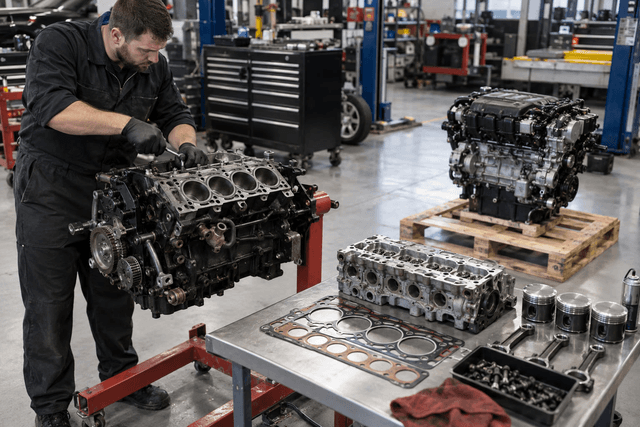
An engine overhaul is a technical procedure aimed at repairing the engine by renewing or replacing damaged components without the need to replace the entire unit. It is considered a practical option when the overall condition of the engine is stable. Overhauling is typically more cost-effective than engine replacement and contributes to extending engine life while improving performance. In some cases, the process may include selective upgrades that enhance engine efficiency and responsiveness.
Engine replacement refers to removing a severely damaged or structurally compromised engine and installing a new or remanufactured one. This option is preferred when the engine has suffered extensive failure or when internal damage makes rebuilding unfeasible. For older vehicles or engines with recurring major issues, replacement becomes the most reliable solution to ensure long-term stability and performance.
An engine overhaul focuses on repairing specific damaged parts within the same engine block, whereas replacement involves fitting an entirely new or reconditioned engine. The key differences lie in the scope of repair, cost, and long-term reliability.
The age and general condition of the vehicle play a major role in the decision. Newer vehicles or those in good shape are often better candidates for an overhaul, as it preserves the original engine and reduces costs. In contrast, for older cars especially those with structural or widespread issues engine replacement is often the more logical and sustainable choice.
If the vehicle has been regularly maintained and the engine is internally sound, an overhaul can be a budget friendly solution. However, if there's been prolonged neglect or irregular servicing, internal engine damage may be more severe making replacement the safer option to avoid future breakdowns.
Assessing the extent of engine damage is essential. If the issues are minor such as wear on certain components an overhaul may be sufficient. But in cases of serious structural damage or multiple internal failures, replacement provides a more reliable fix.
An overhaul allows for targeted repairs of specific parts, preserving the healthy components and lowering overall cost. In contrast, engine replacement involves installing a fully assembled unit, making it ideal when multiple or complex issues are present.
Engine overhauls may include performance-focused updates like modernizing specific parts for better fuel efficiency or power output. On the other hand, a new or remanufactured engine often comes with up to- date technologies that can enhance the vehicle’s overall driving dynamics and energy consumption.
While overhauls can be effective, they have limits. If major engine components are beyond repair, overhauling may not achieve the desired results. In such cases, a full replacement offers a more definitive and durable solution.
Engine overhauls typically come with limited warranties that apply only to the replaced parts. In comparison, engine replacements especially with new or certified rebuilt units often include more comprehensive and longer-term warranties, providing peace of mind and stronger post-repair protection.
Overhauling requires high technical skill and precision. The technician must accurately diagnose internal damage and perform delicate repairs. While engine replacement demands logistical effort, it can be less technically complex since it involves swapping out the entire unit rather than working on intricate internal components.
Cost is a major factor when deciding between an overhaul and engine replacement. Generally, overhauls are less expensive because they address only the damaged parts. However, if the overhaul cost approaches that of a new or remanufactured engine, replacement may offer better long-term value.
Cost factors include:
An overhaul can restore engine efficiency and, when done properly with quality parts, even improve it. Engine replacement, when correctly installed, can significantly boost performance. However, it might introduce technical challenges such as sensor incompatibility or mismatched fuel systems that require adjustment.
Overhauls usually carry limited warranties focused on the replaced components. Engine replacements, especially from reputable suppliers, often include full engine warranties that last longer and provide better coverage offering greater confidence in long-term reliability.
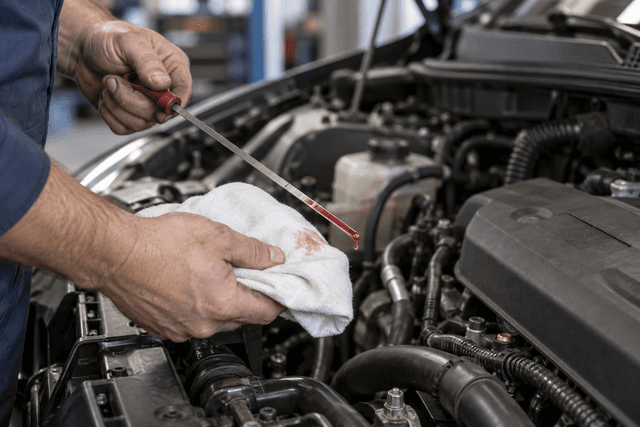
Table Of Contents:
|
Did you know that neglecting transmission fluid could be the leading cause of transmission failure? Discover key warning signs and how to avoid costly repairs in this article.
Changing the transmission fluid is critical to preserving both the performance and lifespan of your vehicle. The timing of fluid replacement depends largely on the type of transmission:
Before scheduling a fluid change, it’s helpful to understand the standard procedure:
Maintaining your transmission isn't difficult just a few simple habits can make a significant difference:
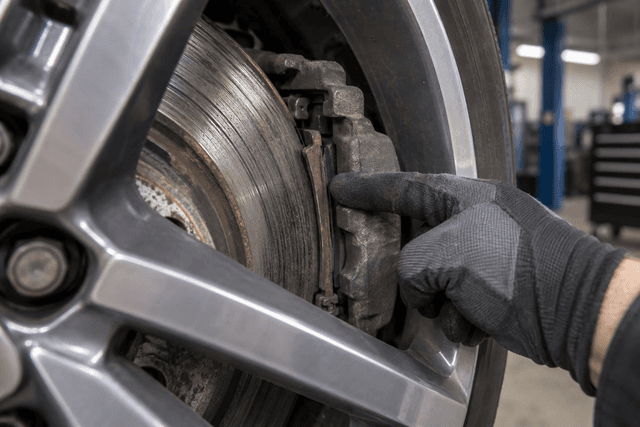
Table Of Contents:
|
Recognizing early signs of brake issues is crucial to avoid turning a simple drive into a serious risk.
The brake system is one of the most critical safety components in any vehicle. A malfunction, even minor, can significantly compromise your ability to stop in time. Here are the most common warning signs that may indicate a brake issue:
Regular brake maintenance plays a vital role in ensuring vehicle safety and performance. Its key benefits include:
To ensure your car’s braking system remains efficient and durable, follow these essential tips:
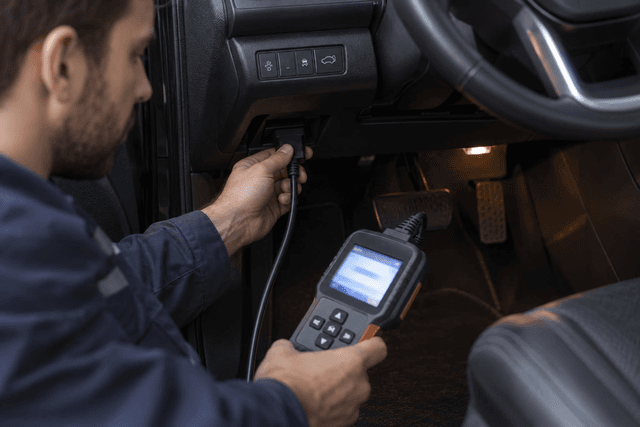
Table Of Contents:
|
Imagine if your car could talk to you and warn you before any malfunction occurs! This is exactly what car sensors do. In this article, we will explore the various types of car sensors, their potential failures, and how to repair them.
Modern cars are equipped with a range of advanced sensors to monitor system performance and ensure optimal operation and efficiency. Here are some of the key sensors and their functions:
Intake Air Temperature Sensor: Monitors the temperature of the air entering the engine to adjust the air-fuel mixture and achieve optimal combustion.
Coolant Temperature Sensor: Measures the temperature of the coolant inside the engine, alerting the driver if it gets too high to avoid engine damage.
Oxygen Sensor: Determines the oxygen levels in the exhaust gases to ensure proper combustion and efficient emissions system operation.
Oil Level Sensor: Monitors the oil level and alerts the driver when it’s low, preventing engine damage from excessive friction.
Fuel Temperature Sensor: Assesses the temperature of the fuel and adjusts the fuel injection system for optimal engine performance.
Fuel Tank Pressure Sensor: Monitors the fuel pressure to detect leaks or issues that affect combustion ratios.
Airflow Sensor: Measures the amount of air entering the engine to adjust spark timing and fuel injection precisely.
Throttle Position Sensor: Monitors the throttle valve position, controlling the air and fuel intake according to the accelerator pedal pressure.
Vehicle Speed Sensor: Reads wheel speed and contributes to braking control and air-fuel ratio adjustments for improved driving performance.
Tire Pressure Sensor: Monitors the air pressure in each tire and alerts the driver if any tire pressure is low, ensuring safety.
Airbag Sensor: Measures impact severity and triggers the airbag deployment in case of a collision to protect passengers.
Engine Components Sensors: Includes sensors for camshaft, crankshaft, knock sensors, and others to ensure proper engine operation and fuel efficiency.
Safety and Assistance Sensors: Includes parking sensors, blind spot monitoring, pedestrian tracking, cruise control, and collision avoidance systems, contributing to safer driving and advanced assistance features.
Car sensors play a significant role in monitoring system performance and alerting the driver when a malfunction occurs. Over time, some of these sensors may fail or malfunction, leading to a range of symptoms indicating a problem, including:
Loss of Acceleration: Especially on highways, if you hear a loud noise from the engine and feel vibrations at startup, it may indicate a problem with the speed sensor.
Increased Fuel Consumption: A faulty fuel sensor can disrupt the fuel flow, leading to inefficient fuel usage.
Heavy Exhaust Emissions: If you notice large amounts of smoke coming from the exhaust, it could be a sign of high CO2 emissions due to a malfunctioning sensor related to the combustion process.
Engine Stuttering or Irregular Idling: This suggests a fault in key sensors like the airflow or throttle position sensor, resulting in unstable engine performance.
Check Engine Light: This is one of the most common warning signs, indicating that one of the sensors or engine systems has malfunctioned.
Cooling System Issues or Delayed Engine Start: These symptoms may be related to a faulty coolant temperature sensor or fuel temperature sensor, leading to increased fuel consumption.
Car sensors are subjected to various factors over time that can lead to performance degradation or complete failure. Some of the primary reasons include:
Wear and Tear: With continuous use and age, sensors gradually lose their accuracy and effectiveness in reading data.
Dirt, Oil, or Fuel Residue Buildup: Accumulation of contaminants on sensor surfaces, especially in air and exhaust systems, can interfere with readings or cause complete sensor failure.
Wiring Issues or Electrical Circuit Damage: Short circuits or broken connections in the wiring that links the sensor to the ECU can directly affect its functionality.
Harsh Operating Conditions: Sensors operate in extreme environments, particularly near the engine, where high temperatures and constant vibrations can destabilize their performance.
Incorrect Installation: If a sensor is improperly installed or mishandled during maintenance or repairs, it could become damaged or malfunction.
Monitor Dashboard Alerts: Always keep an eye on warning lights, as they usually indicate a sensor or system malfunction.
Don’t Ignore Changes in Vehicle Performance: Loss of acceleration, increased fuel consumption, or engine stuttering are signs that indicate potential sensor issues.
Use an OBD-II Scanner: This tool helps read error codes stored in the ECU, allowing you to precisely identify which sensor is faulty.
Don’t Delay Maintenance: Addressing sensor issues early can prevent more significant problems later on.
Use Original or Trusted Parts: Always use OEM (Original Equipment Manufacturer) parts or reliable alternatives to avoid poor performance or compatibility issues.
Clean Cleanable Sensors: Regularly clean sensors that can be cleaned, especially those in the air or exhaust systems.
Inspect Related Systems Before Replacing a Sensor: Sometimes the sensor itself is not the issue, but rather the system it’s monitoring.
Consult a Professional: If you don’t have the experience, it’s best to have a trained mechanic diagnose the issue to avoid misdiagnosis.
Regular Inspections and Maintenance: Routine checks help detect sensor problems early and prevent sudden failures while driving.

With the growing demand for SUVs, 2024 introduces a range of new models that cater to drivers seeking power, safety, and advanced technology. These vehicles combine modern design with practical capabilities, making them the perfect choice for families and adventure enthusiasts alike.
In this article, we’ll explore the top 10 SUVs for 2024, focusing on the options available at Saleh Cars Group to help you choose the perfect vehicle that suits your needs.
The 2024 Kia Telluride has solidified its place as a favorite for fans of family-friendly SUVs. Its bold design with strong lines gives it a commanding road presence. Under the hood, it features a 3.8-liter V6 engine producing 291 horsepower, delivering smooth performance on highways and rugged terrains. The spacious interior is complemented by modern technology such as a large touchscreen and smart navigation system, making it a vehicle that balances comfort and practicality.
If you’re looking for an SUV that offers luxurious comfort and advanced technology, the 2024 Hyundai Palisade is a choice worth considering. Equipped with a 3.8-liter V6 engine, it delivers powerful performance with excellent fuel efficiency. Its interior is designed to meet the needs of large families with three rows of seating, along with features like intelligent climate control and an integrated infotainment system.
The 2024 Mazda CX-5 offers the perfect blend of sporty performance and sleek design. Thanks to its 2.5-liter Skyactiv-G engine, the car delivers sufficient power for daily driving with outstanding fuel efficiency. The interior design stands out for its high-quality materials and attention to detail, alongside advanced safety features such as blind-spot monitoring and forward collision warning.
For those seeking luxury in an SUV, the 2024 Genesis GV70 provides an exceptional driving experience with a sophisticated interior featuring premium materials. It comes with a 2.5-liter twin-turbo engine producing 300 horsepower, offering sporty performance with smooth handling. Advanced driving technology, such as semi-autonomous driving systems, makes the GV70 a standout choice for luxury enthusiasts.
The 2024 Honda CR-V continues to cement its reputation as one of the most reliable SUVs, thanks to its practicality and efficiency. It delivers strong performance with its 1.5-liter turbocharged engine and excellent fuel economy. The vehicle includes advanced safety technologies like lane-keeping assist and forward collision warning, making it an ideal car for daily commuting.
The 2024 Toyota RAV4 is an excellent choice for those seeking a versatile SUV. It features a 2.5-liter engine with an optional all-wheel-drive system, providing solid performance on both paved roads and off-road trails. The bold exterior design reflects strength and adventure, while the interior offers features like wireless charging and advanced safety systems.
For those looking for a family SUV that combines comfort and powerful performance, the 2024 Ford Explorer is an ideal choice. It comes with a 3.0-liter EcoBoost V6 engine producing 400 horsepower in the sporty ST trim, delivering dynamic performance. Thanks to its spacious interior and intelligent all-wheel-drive system, it provides an outstanding driving experience in all conditions.
The 2024 Nissan Pathfinder returns with a more modern design and significant improvements in performance and technology. It features a 3.5-liter V6 engine producing 284 horsepower, providing excellent capability for long-distance travel and adventures. The interior is spacious, offering modern technologies like a smart navigation system and support for Apple CarPlay and Android Auto.
If you need a large SUV that accommodates the entire family, the 2024 Chevrolet Traverse is the perfect choice. It features a 3.6-liter V6 engine producing 310 horsepower, with seating for up to eight passengers. The vehicle offers a wide range of safety features, such as forward collision alert and lane-keeping assist, making it a safe and comfortable option.
The 2024 BAIC X7 Honor offers a unique experience with its modern design and advanced technological features. It comes with a 1.5-liter turbocharged engine producing 180 horsepower, paired with a smooth automatic transmission. The interior is equipped with digital displays and safety systems such as blind-spot monitoring and intelligent driving assistance, making it a strong competitor in its class.
When looking for the perfect SUV for 2024, Saleh Cars offers a wide range of premium options. With excellent after-sales services, flexible financing options, and dedicated customer support, Saleh Cars ensures a smooth and secure car-buying experience.
For more details on these vehicles and the available offers, visit the official website of Saleh Cars Group:
salehcars.com
Whether you’re looking for a luxury SUV, a family car, or a sporty vehicle, 2024 brings an impressive selection of SUVs that cater to various needs and preferences. By comparing specifications and technologies, you’ll find the perfect car that offers an exceptional driving experience.
Choose your next car with Saleh Cars and enjoy an unmatched car-buying journey! 🚗✨
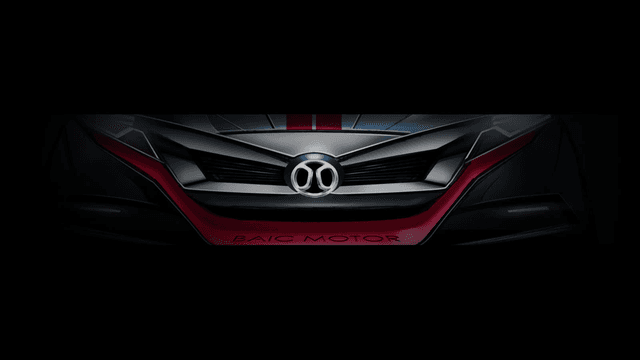
The BAIC X7 Honor is one of the most prominent sports utility vehicles (SUVs) offered by the Chinese automaker BAIC. Since its launch in 2020, this vehicle has gained widespread appreciation due to its modern design and advanced technical specifications.
The BAIC X7 Honor features an exterior design that blends elegance and modernity. The vehicle is equipped with LED headlights with daytime running lights, along with new front air vents and hidden door handles that enhance the aesthetic appeal and aerodynamics of the design. The side mirrors are electrically adjustable, providing added convenience for the driver.
The BAIC X7 Honor is powered by a 1.5-liter turbocharged engine, producing 180 horsepower and 275 Nm of torque. The engine is mated to a 7-speed dual-clutch automatic transmission (7DCT) and features front-wheel drive. The car is notable for its fuel efficiency of 16.6 km/l, making it an economical choice for families.
The BAIC X7 Honor offers a luxurious interior equipped with Nappa leather seats, with power-adjustable front seats. The front seats also come with heating and cooling functions, while a panoramic sunroof enhances the spacious feel and allows natural light inside.
The vehicle is equipped with two smart interactive screens: a 12.3-inch central touchscreen for the infotainment system and a 12.3-inch digital instrument cluster. It also supports features such as:
The BAIC X7 Honor prioritizes safety, offering:
The 2024 BAIC X7 Honor is available in the Saudi Arabian market with a starting price of 86,900 SAR before VAT (99,935 SAR including Value Added Tax (VAT)). The offer includes free maintenance for three years or up to 60,000 km at the authorized dealer, subject to terms and conditions.
The BAIC X7 Honor is an ideal choice for those seeking an SUV that combines elegant design, strong performance, and advanced technology. With a wide range of features and safety systems, this vehicle provides a premium driving experience, catering to both families and individuals.
For more details, visit the official website of Saleh Cars:
salehcars.com

Table Of Contents:
|
When your engine suddenly shuts off, the road transforms from routine to risk in seconds. Understanding why this happens can save your car and your safety. So what triggers these unexpected failures?
If the fuel filter, pump, injectors, or fuel lines become clogged, the amount of fuel reaching the engine becomes insufficient, leading to sudden engine shutdown.
One of the most common and straightforward reasons for a car to stop while driving.
When these components fail, the combustion process inside the engine cannot be completed, causing the vehicle to stop.
Accumulated dust and debris reduce the amount of oxygen needed for combustion, which may cause the engine to stall.
A failing battery may not provide the necessary power to operate essential vehicle components, resulting in engine shutdown while driving.
When the engine temperature exceeds the normal range, it may shut down suddenly. This is a serious issue that can threaten the safety of the vehicle and its occupants.
When the AC is turned on, the system requires additional power to operate the compressor and fan. If the battery is weak, it may not handle the extra load, causing the engine to stall.
If the alternator is not charging the battery efficiently, the vehicle may experience a power shortage, leading to engine shutdown.
Problems such as low refrigerant pressure or compressor malfunction increase the load on the engine, which may cause it to stop.
Turning on the AC increases engine load. If the cooling system is weak, the temperature may rise abnormally, causing the engine to shut off.
A clogged fuel filter or weak fuel pump may fail to supply enough fuel. When the AC is activated, fuel consumption increases, potentially causing the engine to stall.