
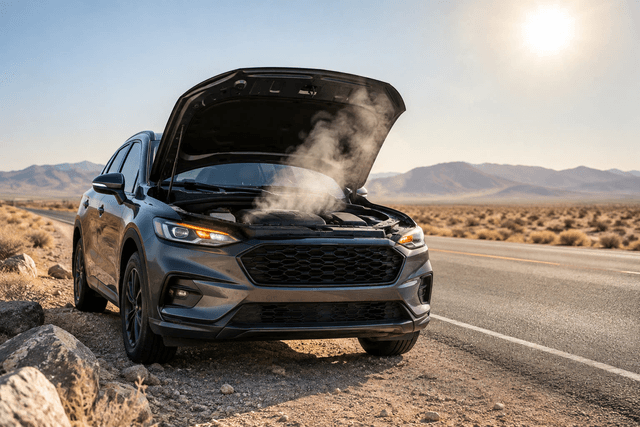
Why Is My Car Overheating? Causes, Diagnosis, and What to Do
Table Of Contents:
|
Why Is My Car Overheating? Causes, Diagnosis, and What to Do
Is your car's temperature gauge creeping into the red? Overheating can signal serious engine trouble. Learn how to diagnose the cause and take action before costly damage occurs.
How Can I Identify the Cause of My Car Overheating?
To diagnose the cause of engine overheating, you can follow these steps:
- Check the coolant and oil levels: Ensure that both fluids are at their proper levels, as low levels of either one can cause the engine to overheat.
- Inspect the cooling system for leaks: Look for any leaks in the hoses, radiator, or coolant reservoir. Such leaks can lead to coolant loss and result in higher engine temperatures.
- Verify the functionality of the water pump and thermostat: Check whether the water pump and thermostat are operating correctly. Any malfunction in these components can disrupt the coolant flow and prevent the engine from cooling properly.
- Examine the radiator for clogs or dirt buildup: Make sure the radiator is clean and free from obstructions or debris, as these can hinder efficient cooling.
What Are the Causes of Car Engine Overheating?
There are several potential causes for a car engine to overheat, including:
- Cooling Fan Malfunction:
- The cooling fan plays a vital role in drawing in outside air and channeling it through the radiator to help cool the engine coolant.
- If the fan fails or performs weakly, the engine may not receive adequate cooling—especially in hot weather or during low-speed driving when natural airflow is limited.
- Using Inappropriate Engine Oil:
- Engine oil reduces friction between moving parts, which in turn helps minimize heat generation.
- Using oil that is not suitable for the engine type, or oil that has degraded over time, can lead to increased friction and subsequently raise engine temperature. It's essential to use the correct oil type and follow the recommended oil change intervals.
- Excessive Engine Load:
- Driving conditions such as long trips in extremely hot weather or uphill driving can place extra strain on the engine.
- If the cooling system cannot cope with the additional demand, engine temperature may rise significantly.
- Low Coolant Level or Coolant Leaks:
- A low coolant level is one of the most common causes of overheating, often resulting from leaks in the hoses, radiator or water pump.
- Without enough coolant, the cooling system cannot draw heat away from the engine efficiently, so check the level regularly and repair any leak as soon as it is found.
What to Do If Your Car Overheats
If you notice that your car is overheating, it's important to act quickly to avoid potential engine damage. Follow these steps:
- Pull over immediately in a safe location and turn off the engine. Wait a few minutes, then carefully open the hood to allow heat and steam to escape. Be cautious to avoid contact with hot steam.
- Check the coolant level: If it's low, you may top it off using the correct coolant. However, never open the radiator cap while the engine is hot, as this could cause serious burns.
- If the issue persists or recurs, consult a professional mechanic to inspect the entire cooling system. This includes checking the thermostat, cooling fan, water pump, and coolant hoses.
When Does Engine Overheating Become a Serious Threat?
Overheating poses a serious risk in the following situations:
- If the issue happens repeatedly or worsens over time.
- If the engine temperature reaches a level that causes the engine to shut down automatically as a protective measure.
- If you observe smoke or steam coming from the engine bay, which may indicate internal component damage.
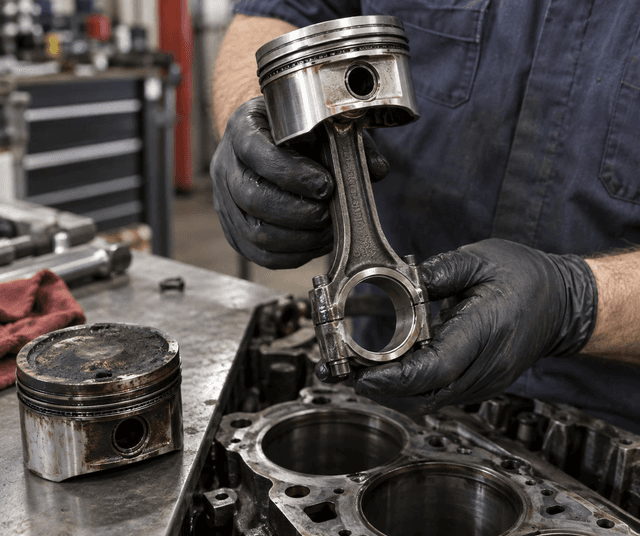
Think Your Engine's Acting Up? Here's Everything You Should Know About Pistons and How to Fix Them
Table Of Contents:
|
Think Your Engine's Acting Up? Here's Everything You Should Know About Pistons and How to Fix Them
Have You Noticed a Drop in Your Car’s Performance Lately? Pistons Might Be the Culprit — Learn Everything You Need to Know About Their Functions, Failures, Inspection, and Cleaning
What Are Pistons?
Pistons are fundamental components of an internal combustion engine. They are typically circular metal discs that move up and down inside the engine’s cylinders. Their primary function is to convert the energy generated from fuel combustion into mechanical motion that powers the vehicle.
What Is the Function of Pistons?
Despite their relatively small size, pistons play several critical roles that directly impact engine efficiency and performance. Their main functions include:
- Maintaining Cylinder Pressure: The piston fits snugly within the cylinder, matching its diameter precisely to prevent air or fuel leaks, ensuring stable combustion pressure inside the chamber.
- Expelling Exhaust Gases: After combustion, the piston helps push exhaust gases toward the exhaust valve for release outside the engine.
- Converting Linear to Rotational Motion: As the piston moves up and down (reciprocating motion), this linear motion is converted into rotational energy used to turn the vehicle’s wheels and propel it forward.
What Are the Signs of Piston Damage?
A decline in vehicle performance is often one of the first signs of engine component issues. Common symptoms that may indicate piston problems include:
- Increased Oil Consumption: Worn or damaged pistons can allow engine oil to leak into combustion chambers, leading to elevated oil usage.
- Unusual Engine Noises: Piston wear may result in abnormal friction inside the cylinder, causing knocking or squealing sounds when the engine is running.
- Overheating: Damaged pistons can cause excess friction or allow coolant to leak into the combustion chamber, significantly raising engine temperature.
- Discolored Exhaust Smoke: If the exhaust smoke turns gray or black and has a strange odor, it could indicate that engine oil is burning along with fuel—often a sign of piston failure.
What Are Common Piston Dimensions?
Piston dimensions vary based on several factors, including engine type (gasoline or diesel), number of cylinders, and compression ratio. These aspects directly influence the piston’s design, especially its crown (top) shape.
Key piston dimensions include:
- Piston Diameter:
The outer diameter of the piston must precisely match the cylinder’s inner diameter to maintain efficient combustion pressure and prevent leaks. - In small engines: piston diameter typically ranges from 70 to 90 mm.
- In large engines: it can range from 90 to 110 mm or more.
- Piston Height (Overall Length):
This is the distance from the top to the bottom of the piston. It affects the piston’s stroke length within the cylinder, which in turn influences engine performance. - Ring Groove Width (Ring Lands):
Piston rings are placed in machined grooves on the piston body. These grooves must be precisely cut to ensure the rings fit snugly, sealing the combustion chamber and preventing gas leaks.
How Are Pistons Inspected?
There are several methods to inspect engine pistons and ensure they are in good condition:
- Visual Inspection:
A basic but essential step—examining the piston for visible wear, cracks, or deformation helps assess its general condition. - Cylinder Compression Test:
A drop in cylinder pressure may indicate piston or piston ring issues, suggesting a loss of compression in the combustion chamber. - Micrometer Measurement:
A micrometer is used to measure the piston’s diameter to confirm it remains within acceptable tolerances and hasn’t been compromised by wear.
How Are Pistons Cleaned?
Regular piston cleaning helps maintain engine performance by preventing carbon buildup and deposits that can impair function. Cleaning methods include:
- Carbon Cleaners:
Available as sprays or specialized fluids, these are designed to break down carbon deposits. They are applied to the piston surface and allowed to soak before cleaning. - Strong Solvents:
Chemicals such as acetone or kerosene can dissolve tough, stubborn residues accumulated on the piston. - Brass Brushes:
For light deposits, brass brushes offer a manual, quick, and relatively safe way to scrub pistons clean without damaging the metal surface.
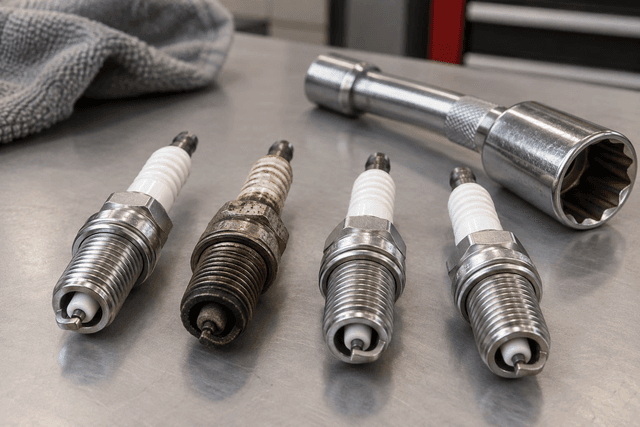
Top Signs of Failing Spark Plugs and How They Affect Your Engine
Table Of Contents:
|
Top Signs of Failing Spark Plugs and How They Affect Your Engine
Did you know faulty spark plugs could be the hidden reason behind poor engine performance? Discover the warning signs before they lead to bigger, costly problems!
What Role Do Spark Plugs Really Play in Engine Performance?
- Though small in size, spark plugs are critical to engine operation. Each cylinder is equipped with a spark plug that precisely generates a high-voltage spark, igniting the air-fuel mixture and powering the combustion process.
- Over time, even the most durable spark plugs designed to withstand millions of combustion cycles can degrade. As they wear down, their ability to produce a strong, consistent spark diminishes, directly affecting engine efficiency and overall performance.
Key Signs of Failing Spark Plugs You Shouldn’t Ignore
- If you notice your vehicle using more fuel to cover the same distances, worn spark plugs could be the cause. Weak or inconsistent sparks lead to incomplete combustion, wasting fuel. In such cases, a thorough inspection by a qualified technician is recommended—and full replacement may be necessary.
- Struggling to start your car, especially in the morning, or experiencing sluggish acceleration and jerky movement while driving, can indicate faulty spark plugs. In severe cases, the engine may fail to start entirely, requiring towing to a repair shop.
- Thick black smoke is often a sign of an imbalanced air-fuel ratio in the combustion chamber. Failing spark plugs can disrupt proper ignition, leading to unburned fuel, increased emissions, and noticeable engine roughness especially under throttle.
What Can Faulty Spark Plugs Do to Your Car?
When spark plugs start losing efficiency, the impact goes far beyond just ignition—your entire driving experience can suffer. Here are some of the most common and noticeable effects:
- Reduced Engine Performance: Drivers may feel a drop in power and torque, especially during acceleration.
- Unexplained Increase in Fuel Consumption: Incomplete combustion caused by weak sparks leads to higher fuel usage.
- Difficult Engine Starts: Especially noticeable in cold weather or after the vehicle has been sitting overnight.
- Higher Emissions: Poor combustion contributes to elevated levels of harmful exhaust gases, negatively affecting the environment.
- Carbon Buildup in the Engine: Unburned fuel and residues can accumulate, accelerating wear on internal engine components.
- Higher Long-Term Maintenance Costs: Ignoring faulty plugs can lead to more serious engine issues and higher repair bills.
- A Rough, Uncomfortable Driving Experience: Misfires, engine hesitation, and vibrations all reduce driving comfort and reliability.
What Causes Spark Plugs to Fail Prematurely?
Spark plug failure isn’t always due to age or mileage external factors often accelerate wear and reduce their lifespan. The most common causes include:
- Poor grade fuel leads to carbon buildup inside the combustion chamber, reducing spark plug efficiency and shortening their service life.
- Issues like low voltage or damaged ignition wires can cause spark plugs to wear out faster than expected.
- Contaminants like oil or water can damage spark plugs quickly, disrupting the ignition process or rendering the plugs unusable.
- Repeated cold starts and aggressive engine revving place additional strain on spark plugs, accelerating electrode wear.
What Is the Typical Lifespan of Spark Plugs?
- The lifespan of spark plugs depends on their type, build quality, engine design, and driving conditions. Generally, standard spark plugs last between 30,000 and 50,000 kilometers, while high-performance plugs such as those made of iridium or platinum can last up to 100,000 kilometers or more.
- However, these figures are not universal. Actual lifespan varies depending on driving habits, fuel quality, and overall engine health. Regular inspections are key to ensuring timely replacement and avoiding performance issues.
Essential Tips to Extend the Life of Your Spark Plugs
To prolong spark plug lifespan and prevent hard-start issues, follow these simple yet effective tips:
- Inspect spark plugs during every oil change to ensure optimal performance.
- Premium fuel helps minimize carbon buildup and keeps the combustion chamber clean.
- Frequent driving on rough terrain puts extra strain on the engine and ignition system.
- Replace Filters Regularly Especially air and fuel filters, as clean filters reduce the load on spark plugs.
- Watch for Early Warning Signs Such as increased fuel consumption or engine vibrations addressing issues early prevents costly repairs.
What Are the Most Overlooked Symptoms of Bad Spark Plugs?
- One of the earliest signs of failing spark plugs is inconsistent acceleration, where the car hesitates before responding to throttle input.
- Drivers may notice subtle jerking motions at low speeds, often mistaken for transmission issues.
- A sudden drop in fuel efficiency is another overlooked symptom, caused by incomplete combustion.
- The engine may produce a faint ticking noise due to misfires occurring inside the cylinders.
- Cold starts become noticeably harder, especially in winter, as worn plugs struggle to ignite the air‑fuel mixture.
- The Check Engine light may appear intermittently, triggered by misfire‑related codes.
How Do Spark Plugs Affect Fuel Economy and Emissions?
- Faulty spark plugs cause incomplete combustion, forcing the ECU to inject more fuel to compensate.
- This leads to a measurable increase in fuel consumption, especially during city driving.
- Misfires caused by weak spark output increase hydrocarbon emissions, harming catalytic converter efficiency.
- The engine may run richer than normal, producing a strong fuel smell from the exhaust.
- Over time, poor combustion can damage oxygen sensors, further worsening emissions.
- Vehicles with worn plugs often fail emissions tests due to unstable combustion patterns.
Can Bad Spark Plugs Damage Other Engine Components?
- Persistent misfires put excessive strain on ignition coils, causing premature coil failure.
- The catalytic converter can overheat due to unburned fuel entering the exhaust system.
- Rough engine operation increases wear on engine mounts, leading to vibrations inside the cabin.
- The ECU may compensate by adjusting timing and fuel trims, stressing the fuel injection system.
- Spark plug failure can trigger chain reactions that affect sensors such as the MAF and O2 sensors.
- In severe cases, prolonged misfires can cause piston crown damage due to abnormal combustion.
How Do Weather and Driving Conditions Influence Spark Plug Wear?
- Extreme heat accelerates electrode erosion, especially in older copper plugs.
- Cold climates increase carbon buildup due to incomplete combustion during cold starts.
- Stop‑and‑go traffic exposes plugs to constant temperature cycling, shortening their lifespan.
- High‑load driving, such as towing or climbing, increases combustion pressure and plug stress.
- Dusty environments allow contaminants to enter the combustion chamber, affecting plug performance.
- Short trips prevent plugs from reaching optimal temperature, causing fouling over time.
What Are the Differences Between Various Spark Plug Materials?
- Copper plugs offer strong conductivity but have the shortest lifespan.
- Platinum plugs resist wear better and provide stable performance for longer intervals.
- Iridium plugs deliver the strongest spark and longest service life due to their ultra‑hard electrodes.
- Double‑platinum and double‑iridium plugs are ideal for engines with coil‑on‑plug systems.
- High‑performance plugs improve throttle response and reduce misfires under heavy load.
- Choosing the right plug type depends on engine design, driving style, and manufacturer recommendations.
How Can You Diagnose Spark Plug Problems Without Professional Tools?
- Pay attention to engine vibrations at idle — a common sign of misfires.
- Monitor fuel consumption; sudden increases often indicate plug wear.
- Listen for popping or sputtering sounds from the exhaust during acceleration.
- Check for slow or difficult starts, especially when the engine is cold.
- Inspect the spark plugs visually for carbon deposits, oil fouling, or worn electrodes.
- Use a basic OBD‑II scanner to check for misfire codes such as P0300–P0304.
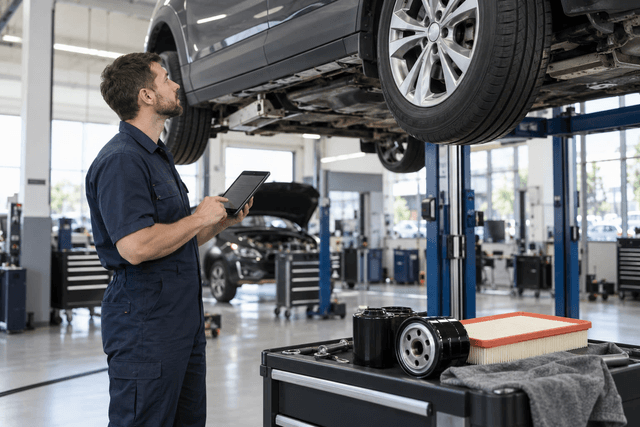
Want your car to last longer and run efficiently?
Table Of Contents:
|
Want your car to last longer and run efficiently?
Regular maintenance protects your engine, prevents breakdowns, saves fuel, and ensures safety a small investment that avoids big costs.
What Is Regular Car Maintenance?
Regular car maintenance involves routine checks and services to keep your vehicle running smoothly. It helps spot problems early, improves engine performance, reduces fuel use, and ensures safer, more efficient driving.
Types of Car Maintenance
- Scheduled Maintenance
This includes periodic checks and replacement of essential items like engine oil and filters to keep the car’s systems running smoothly.
Common scheduled maintenance tasks:
- Engine oil change
- Oil filter replacement
- Fluid level inspection (brake, coolant, power steering)
- Tire pressure and condition check
- Brake and cooling system inspection
- Preventive Maintenance
Preventive maintenance focuses on replacing parts that are prone to wear before they fail. This proactive approach significantly extends the life of your vehicle and minimizes the chances of unexpected breakdowns.
Key preventive maintenance actions include:
- Replacing belts and hoses before they show signs of wear
- Testing the battery and ensuring it’s in good condition
- Inspecting the fuel injection system and suspension components
- Corrective Maintenance
Corrective maintenance is performed to fix existing issues that are affecting the vehicle’s performance.
Examples of corrective maintenance:
- Engine repairs
- Brake system servicing
- Suspension system repairs
- Major (Annual) Maintenance Check
Typically conducted after extended mileage or several years of use, major maintenance involves a thorough inspection of all vehicle systems and replacement of any worn or damaged parts.
Key procedures in major maintenance include:
- Comprehensive engine inspection
- Transmission system check
- Steering system inspection
What Does Routine Maintenance Include?
Routine maintenance covers a variety of essential checks and replacements to maintain your car’s safety and efficiency. These include:
- Engine oil change and level check
- Fluid inspection (brake, coolant, power steering)
- Tire pressure and tread wear inspection
- Brake system check
- Battery testing and terminal cleaning
- Air filter replacement
- Exhaust system inspection for leaks and emissions control
- Steering and suspension system evaluation
- Air filter cleaning or replacement
- A/C system performance check
When Should You Service Your Car?
Service intervals depend on various factors such as vehicle make and model, manufacturing year, driving habits, and the type of oil used. While most vehicles follow a general maintenance schedule, some factors influence timing:
- Vehicle type: Compact cars generally require less frequent servicing compared to SUVs or performance vehicles.
- Year of manufacture: Newer vehicles often come equipped with advanced systems that reduce the need for frequent maintenance.
- Driving conditions: Long-distance driving or use in extreme weather or terrain increases the need for regular servicing.
- Oil type: Synthetic oils allow for extended intervals between oil changes and maintenance visits.
How to Tell If Your Car Needs Servicing
Here are key indicators that your car may need attention:
- Maintenance logbook reminders: Refer to your service manual to check upcoming service dates.
- Warning lights on the dashboard: These often signal issues that require prompt diagnostics.
- Unusual sounds: Clicking, squealing, or grinding noises while driving are signs that a technician should inspect the vehicle.
What Are the Common Wear and Tear Parts That Need Replacement?
These components wear out over time and regular use, and neglecting their replacement can compromise performance and safety. Common consumable parts include:
- Engine oil and oil filter
- Air filter
- Brake pads and discs
- Tires
- Windshield wiper blades
- Timing belt
- Car battery
Why Is Regular Maintenance Important?
Routine servicing is crucial for both vehicle reliability and road safety. Key benefits include:
- Enhancing driver and passenger safety through proper vehicle readiness
- Early detection of problems before they escalate
- Ensuring the reliability of core systems such as braking and lighting
- Preventing excessive wear and costly breakdowns
- Prolonging the vehicle’s overall lifespan
- Saving money in the long term by avoiding major repairs
- Reducing harmful emissions and improving fuel efficiency
- Preserving resale value through a documented service history
How Does Regular Car Maintenance Improve Your Vehicle’s Lifespan?
- Routine maintenance reduces friction and prevents premature wear on engine components.
- Clean fluids and filters help the engine operate smoothly and avoid overheating.
- Regular inspections catch minor issues before they turn into expensive repairs.
- Proper maintenance keeps the transmission, brakes, and suspension functioning efficiently.
- Vehicles with consistent service records typically last 50,000–100,000 miles longer.
- This makes Car Maintenance essential for maximizing your vehicle’s lifespan.
What Are the Financial Benefits of Regular Car Maintenance?
- Preventive maintenance reduces the likelihood of major mechanical failures.
- Well-maintained cars consume less fuel, lowering monthly expenses.
- Regular servicing helps avoid costly breakdowns and emergency repairs.
- Cars with complete maintenance history retain higher resale value.
- Replacing wear-and-tear parts early prevents damage to more expensive components.
- Investing in Car Maintenance saves money over the long term.
How Does Car Maintenance Affect Fuel Efficiency?
- Clean engine oil reduces friction and improves combustion efficiency.
- Proper tire pressure decreases rolling resistance and fuel consumption.
- Clean air filters allow better airflow, helping the engine burn fuel more effectively.
- Well-maintained spark plugs ensure complete fuel combustion.
- Regular servicing keeps sensors and fuel injectors functioning correctly.
- Consistent Car Maintenance can improve fuel economy by 3% to 10%.
What Safety Risks Can Be Prevented Through Regular Car Maintenance?
- Brake inspections prevent failures that could lead to accidents.
- Tire checks reduce the risk of blowouts and poor road grip.
- Suspension maintenance ensures stable handling and safe steering.
- Fluid checks prevent overheating and sudden engine shutdowns.
- Battery testing reduces the chance of unexpected breakdowns.
- Regular Car Maintenance significantly improves overall driving safety.
How Do Driving Habits Influence Your Car Maintenance Needs?
- Frequent short trips cause faster oil degradation and require more frequent servicing.
- Aggressive driving increases wear on brakes, tires, and suspension.
- Hot climates accelerate fluid evaporation and rubber deterioration.
- Cold climates thicken engine oil and strain the battery.
- Heavy loads or towing require more frequent checks on transmission and brakes.
- Adjusting Car Maintenance based on driving habits ensures optimal performance.
Can Technology Help You Stay on Top of Car Maintenance?
- Modern cars include maintenance reminder systems that track mileage and engine conditions.
- Smartphone apps can log service history and send alerts for upcoming maintenance.
- Digital diagnostics help identify issues before they become serious.
- Some systems analyze driving behavior to recommend personalized maintenance schedules.
- Online service platforms make booking maintenance appointments easier.
- Technology makes Car Maintenance more accurate and convenient.
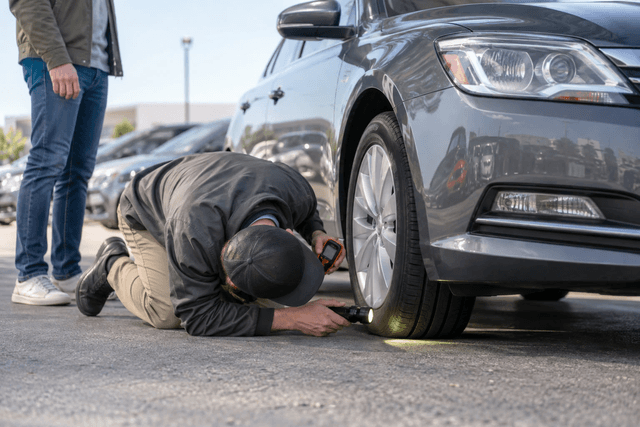
Vehicle Inspection Before Purchase: A Crucial Step to Avoid Unwanted Surprises
Table Of Contents:
|
Vehicle Inspection Before Purchase: A Crucial Step to Avoid Unwanted Surprises
Inspecting a vehicle before purchasing it is an essential step to avoid unpleasant surprises after taking ownership. In this article, we will walk you through essential car buying tips and what to check during a pre-purchase inspection.
How to Inspect a Vehicle During a Routine Check?
When conducting a pre-purchase inspection (PPI) to ensure the vehicle's roadworthiness and safety, several core components should be evaluated. The inspection includes the following areas:
- Engine and Exhaust System Check:
- Verify exhaust emissions levels to ensure they are within environmentally accepted limits.
- Inspect the engine bay for any fluid or oil leaks.
- Exterior Body Inspection:
- Examine the vehicle body for any rust, dents, or structural damage that could compromise its safety.
- Ensure the chassis/frame is free from defects that may affect structural integrity.
- Lights and Signal Inspection:
- Check the functionality of headlights, taillights, brake lights, and turn signals to ensure proper operation.
- Brake System Inspection:
- Test the performance of both the front and rear brakes.
- Check the brake fluid level and inspect for leaks or low fluid conditions.
- Steering and Suspension System Check:
- Inspect the steering system for any signs of wear or damage in its components.
- Evaluate suspension parts (shocks, struts, control arms, bushings) to ensure they’re working efficiently and without issues.
- Safety Systems Check:
- Ensure all seat belts are functioning properly.
- Confirm that all airbags are intact and ready to deploy in case of an accident.
- Tire Inspection:
- Check tread depth and overall tire condition.
- Verify tire pressure and wheel alignment to ensure safe driving and even wear.
- Electrical System Check:
- Test all interior and exterior lights.
- Inspect the battery and charging system for reliability and performance.
- Emissions and Cleanliness Check:
- Measure exhaust emissions to ensure compliance with environmental standards.
- Inspect air and exhaust filters to confirm they are effectively reducing pollutants.
After completing the inspection, a comprehensive report should be issued summarizing the overall condition of the vehicle.
Tips for Buying a Used Car
Before committing to purchasing a used vehicle, there are several important steps to ensure you’re making a well-informed decision. Here are key tips to help you evaluate a used car and confirm it meets your needs:
- Set a Clear and Realistic Budget:
Establishing a clear budget help prevent emotional or impulsive purchases. Consider all associated costs including:
- Registration fees
- Maintenance expenses
- Insurance premiums
- Check the Vehicle History:
Obtain the vehicle’s history report to review:
- Past accidents
- Previous ownership
- Maintenance records
- Research Car Models Based on Your Needs:
- Identify models that suit your lifestyle and daily use.
- Read user reviews and check reliability ratings to gauge long-term performance.
- Thorough Physical Inspection:
- Inspect the interior and exterior in detail.
- Evaluate the engine, suspension, brakes, and tires.
- If you’re not an expert, bring a certified mechanic to conduct a detailed inspection.
- Test Drive the Vehicle:
Test the car on different road types and conditions. Focus on:
- Smooth operation
- Unusual noises or vibrations
- Responsiveness of steering and braking systems
- Compare Market Prices:
Research market prices online to understand the car’s fair market value. This gives you stronger negotiation power.
- Verify All Documents:
- Title/Ownership certificate
- Insurance policy
- Inspection report
- Cross-check the VIN (Vehicle Identification Number) on the chassis and documents to avoid legal issues.
- Consider Resale Value:
If you plan to resell the car in the future:
- Choose a model known to retain value over time.
- Avoid cars with high depreciation rates.
- Understand Legal Procedures:
Before completing the purchase:
- Familiarize yourself with ownership transfer laws in your country.
- Ensure the vehicle has a valid inspection certificate.
- Complete all registration and tax requirements.
How Many Kilometers Are Acceptable When Buying a Used Car?
There is no exact ideal mileage for a used vehicle, but generally speaking:
- The more kilometers a car has driven, the more critical a thorough inspection becomes.
- Cars with over 200,000 km require detailed mechanical evaluation.
- Cars averaging around 20,000 km per year or slightly less are usually in better condition.
Mileage Rule of Thumb:
- A new car typically drives about 20,000 km annually.
- A 5-year-old car should have around 100,000 km on the odometer.
If the mileage is:
- Much lower: the car may have been idle for long periods, risking mechanical issues from underuse.
- Much higher: it could mean heavy usage, which may accelerate wear and tear.
What Should You Check Under the Hood Before Buying a Car?
- Inspect the engine for leaks, corrosion, or unusual smells that may indicate poor maintenance.
- Check the condition of belts and hoses to ensure they are not cracked or brittle.
- Evaluate the battery’s age and terminals for rust or buildup.
- Look for signs of overheating, such as burnt coolant residue or warped plastic components.
How Can You Evaluate a Car’s Structural Integrity During Inspection?
- Examine the frame rails and inner fenders for welding marks or uneven metal surfaces.
- Check door gaps, trunk alignment, and hood fitment for signs of previous accidents.
- Inspect the undercarriage for rust, dents, or fresh paint that may hide damage.
- Look at suspension components for leaks, cracks, or uneven wear.
What Interior Signs Reveal a Car’s True Condition?
- Check for water damage by inspecting carpets, seat bases, and the smell inside the cabin.
- Test all electronics, including windows, infotainment, lights, and sensors.
- Look for excessive wear on pedals and steering wheel, which may indicate high mileage.
- Ensure airbags have not been tampered with and that warning lights function properly.
How Do Test-Drive Results Influence Your Purchase Decision?
- Listen for unusual noises such as knocking, grinding, or rattling during acceleration.
- Test braking performance for smooth stopping without vibration or pulling.
- Evaluate steering response and alignment to ensure the car drives straight.
- Monitor transmission behavior for delayed shifts, slipping, or harsh engagement.
What Documents Should You Review Before Finalizing the Purchase?
- Verify the service history to confirm regular maintenance and major repairs.
- Check the VIN against official databases for accidents, recalls, or theft records.
- Review inspection certificates, emissions reports, and ownership documents.
- Confirm that the mileage is consistent across all records and not altered.
How Can a Professional Mechanic Inspection Save You Money?
- Mechanics can identify hidden issues that are not visible during a basic check.
- They provide an unbiased evaluation of the car’s mechanical and structural condition.
- A pre-purchase inspection helps you negotiate a better price or avoid a bad deal.
- They can estimate upcoming maintenance costs, helping you plan your budget.
The Importance of Regular Engine Oil Changes for Your Car
Table Of Contents:
|
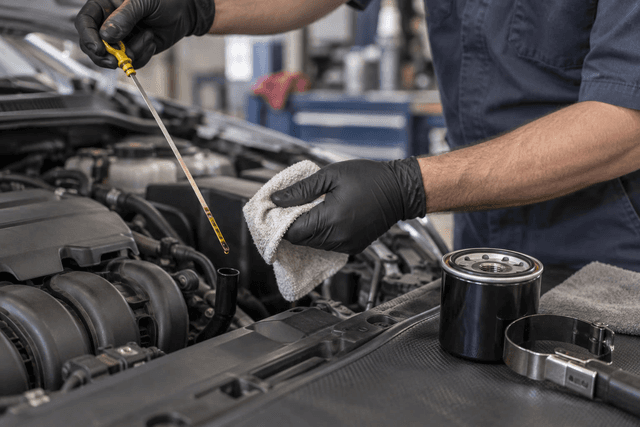
The Importance of Regular Engine Oil Changes for Your Car
Changing the engine oil is one of the most important ways to maintain your car’s performance. In this article, we’ll guide you through the best practices for changing your car's oil and when it should be replaced.
What Is the Maximum Duration for Changing Your Car's Oil?
To determine the maximum duration for changing your car's oil, several factors that affect the engine’s lifespan should be taken into account, such as:
1. Type of Oil
There are various types of engine oils, including synthetic oil, semi-synthetic oil, and conventional oil. Generally, synthetic and semi-synthetic oils provide better protection and performance for a longer period compared to conventional oils.
2. Operating Conditions
The environment in which you drive your car significantly affects the oil’s lifespan. Driving in harsh conditions such as extreme temperatures or dusty environments may require more frequent oil changes.
3. Type of Fuel
The quality and cleanliness of the fuel play an important role in the longevity of engine oil. Contaminated fuel or fuel containing impurities can degrade the oil, shortening its useful life. It's recommended to use high-quality fuel from reputable stations to maintain the car's efficiency.
4. Driving Style
The way you drive is another important factor in determining the oil's lifespan. Moderate driving with appropriate speeds helps reduce oil degradation, maintaining its quality for a longer time.
When Is the Right Time to Change Your Car’s Oil?
Knowing the right time to change your car’s oil is crucial as it directly impacts the vehicle’s performance and engine protection. Several factors influence the timing for an oil change:
-
Oil is usually changed every 5,000 to 15,000 kilometers, depending on the oil type and the manufacturer’s recommendation; mineral oil needs changing sooner than synthetic oil.
-
In severe operating conditions such as extreme summer heat and dust, stay at the lower end of this range (about 5,000 kilometers), while the normal interval can be followed in moderate weather.
-
Specific conditions, such as carrying heavy loads, driving on uneven roads for long distances, or living in extreme hot or cold regions, may require earlier oil changes.
-
The type of engine also plays a role in determining the oil change interval. Older engines or those frequently exposed to high speeds may consume more oil.
What Are the Risks of Delaying an Oil Change?
Delaying an oil change can lead to significant engine damage, causing the car owner to pay for repairs that could exceed the cost of an oil change. Other consequences of neglecting oil changes include:
-
Engine Failure: The engine contains moving metal parts, and when the oil is not changed for an extended period, friction between these parts increases.
-
Excessive Heat: The friction between engine parts raises the engine's temperature, which may cause permanent damage to the engine.
-
Increased Wear: As oil degrades, it loses its ability to lubricate effectively, causing increased wear on the engine components.
The Best Way to Change Your Car's Oil
To change your car’s oil correctly, follow these steps:
-
Ensure the car is parked on a flat surface, then start the engine for a few minutes to warm up the oil.
-
Place an oil pan beneath the oil drain plug, then use a socket wrench to loosen the plug counterclockwise.
-
Allow the oil to drain slowly into the pan until it is fully empty.
-
Carefully remove the old oil filter.
-
Clean the area around the oil filter, then install a new filter.
-
Use a funnel to pour the correct amount of new oil into the engine.
-
Start the engine for a short time to allow the new oil to circulate properly throughout the engine.
-
Use the dipstick to check the oil level, ensuring it is within the recommended range.
-
Replace the oil cap and any filters, and clean up by disposing of the old oil and filters in a plastic bag.
Signs That Your Engine Oil Has Expired
It’s important to recognize the signs that indicate the engine oil has reached the end of its useful life:
-
Low Oil Level: Check the oil level using the dipstick. If it's below the recommended level, the oil needs to be changed.
-
Dark and Dirty Oil: If the oil appears dark and contaminated, it has likely been polluted with impurities and needs to be replaced.
-
Burnt Oil Smell: A burnt smell may indicate that the oil has broken down and expired.
-
Increased Oil Consumption: If you notice your oil level dropping more frequently between oil changes, the oil may be deteriorating.
-
Unusual Engine Noises: Strange noises like knocking sounds may be a result of low oil levels or degraded oil.
Tips and Recommendations for Changing Your Car's Oil
Here are some helpful tips to keep in mind when changing your car’s oil:
-
Pre-check the Oil Condition: It's best to inspect the oil before deciding to change it. Sometimes, the oil may not need replacement if it’s still in good condition.
-
Ensure the Correct Oil Type: Choose the right oil for your car to avoid future issues.
-
Add the Correct Oil Amount: Adding too much or too little oil can lead to problems like increased pressure or engine damage.
-
Use a Proper Funnel: A proper funnel directs the oil into the engine’s oil cap to avoid spills and leaks.
-
Use the Right Oil Filter: Make sure the oil filter is compatible with your car’s model and is an original part to ensure efficient lubrication and prevent clogging of oil passages.
How Do Regular Engine Oil Changes Improve Fuel Efficiency?
- Fresh oil reduces internal friction, allowing the engine to operate smoothly and consume less fuel.
- Clean oil helps pistons and bearings move freely, improving combustion efficiency.
- Engines with old or degraded oil work harder, increasing fuel consumption over time.
- Regular oil changes maintain optimal lubrication, reducing strain on engine components.
- Consistent oil maintenance can improve fuel economy by 3% to 5%, especially in older vehicles.
- This makes Regular Engine Oil Changes one of the simplest ways to save money on fuel.
What Happens Inside the Engine When Oil Is Not Changed Regularly?
- Old oil begins to thicken and form sludge, blocking vital lubrication pathways.
- Sludge buildup reduces oil flow, causing friction between metal components.
- Increased friction accelerates wear on pistons, bearings, and camshafts.
- Heat rises inside the engine due to poor lubrication, increasing the risk of overheating.
- Long-term neglect can lead to severe internal damage and expensive repairs.
- These internal effects show how critical Regular Engine Oil Changes are for engine protection.
How Do Regular Engine Oil Changes Contribute to Long-Term Engine Longevity?
- Clean oil reduces friction and prevents premature wear on internal components.
- Regular oil changes help maintain stable compression and engine performance.
- Engines with consistent oil maintenance often last significantly longer—sometimes over 320,000 km.
- Fresh oil prevents sludge formation, reducing the risk of major mechanical failures.
- Vehicles with proper oil change history retain higher resale value.
- This demonstrates why Regular Engine Oil Changes are essential for maximizing engine lifespan.
What Types of Engine Oil Are Best for Regular Oil Changes?
- Synthetic oil offers superior protection, longer intervals, and better performance in extreme temperatures.
- Semi-synthetic oil provides a balance between affordability and durability.
- Conventional oil is suitable for older engines but requires more frequent changes.
- High-mileage oils contain additives that reduce leaks and improve aging engine performance.
- Choosing the right oil depends on driving habits, climate, and manufacturer recommendations.
- Selecting the correct oil ensures the full benefits of Regular Engine Oil Changes.
How Do Driving Conditions Influence Oil Change Frequency?
- Short trips prevent oil from reaching optimal temperature, causing faster degradation.
- Stop-and-go traffic increases engine stress and accelerates oil breakdown.
- Hot climates thin the oil, reducing its protective ability.
- Cold climates thicken oil, making lubrication harder during startup.
- Towing, heavy loads, or aggressive driving require more frequent oil changes.
- Adjusting intervals based on conditions ensures effective Regular Engine Oil Changes.
Can Technology Help You Track Regular Engine Oil Changes?
- Modern vehicles include oil-life monitoring systems that calculate oil condition in real time.
- Smartphone apps can track mileage, service intervals, and maintenance history.
- Digital reminders help prevent missed oil changes and reduce long-term engine wear.
- Some systems analyze driving habits to recommend personalized oil change schedules.
- Technology ensures consistency, which is key to maximizing the benefits of Regular Engine Oil Changes.
- Using digital tools makes maintenance easier and more accurate.
Engine Warning Light: Causes, Solutions, and How to Address It
Table Of Contents:
|
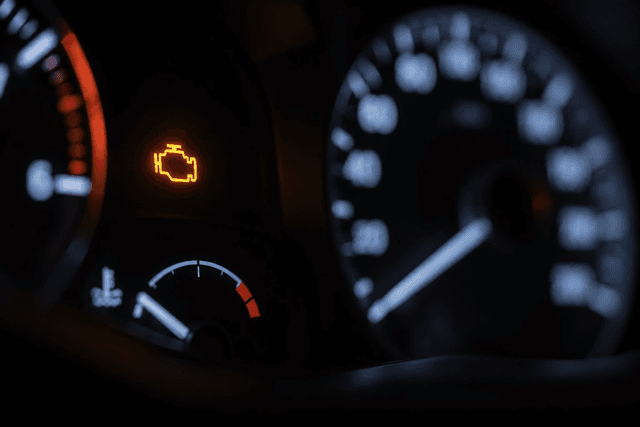
Engine Warning Light: Causes, Solutions, and How to Address It
The engine warning light is one of the most prominent indicators of malfunction in modern vehicles, signaling the presence of an issue that requires inspection. In this article, we will explore the common causes of this light's appearance and how to turn it off.
What Are the Different Types of Engine Warning Light Indicators?
-
Steady Light: A steady engine light indicates a non-emergency problem, and you can drive the car to a service center without rushing.
-
Flashing Light: A flashing engine light signals a serious malfunction, and it’s highly recommended to stop the car immediately and have it towed to prevent further damage.
What Are the Causes of the Engine Warning Light?
Here are some of the most common causes of the engine warning light appearing:
-
Faulty Sensors: Your car contains several sensors monitoring the engine's performance, and any malfunction in one of them may trigger the warning light.
-
Blown Fuses or Electrical Circuit Issues: Electrical disturbances can impact the engine's operation, triggering the warning light.
-
Issues with Electronic Units or Data Network: Malfunctions in the car's electronic systems or data network may cause the warning light to appear.
-
Ignition System Problems: Weak spark or ignition timing issues can disturb the engine's operation, turning on the engine light.
-
Air-Fuel Mixture Imbalance: Problems with the air-fuel mixture can lead to poor combustion and trigger the warning light.
-
Mechanical or Electrical Faults in the Engine: Engine malfunctions, whether mechanical or electrical, can lead to the engine light illuminating.
-
Variable Valve Timing (VVT) Malfunction: A fault in this system can affect valve timing, triggering the warning light.
-
Emission System Issues: Problems like a malfunctioning catalytic converter, EGR valve, or a damaged fuel cap can cause an increase in harmful emissions, activating the engine light.
-
Transmission Problems: A faulty transmission can also cause the engine light to come on.
How to Turn Off the Engine Warning Light?
If the engine warning light is still on even after addressing the underlying issue, here are some methods to try and turn it off:
-
Drive for a While After the Repair: The car's sensors periodically check the system, and if the issue has been resolved, the engine light may turn off automatically after 2 to 3 days. If it remains on, the problem may not have been fully resolved, or a manual reset may be needed.
-
Automatic Error Code Reset: In some vehicles, error codes may clear automatically after turning the car on and off three times consecutively.
-
Disconnect the Car Battery: Open the hood, then disconnect the negative and positive terminals of the battery. Wait for about 60 minutes before reconnecting them. This can reset the car’s computer and erase the error code.
-
OBD2 Scanner: This is the most effective and accurate method. Using an OBD2 scanner, you can read and erase the error codes, which will directly turn off the engine warning light if the problem has been resolved.
Is It Safe to Drive When the Engine Warning Light Is On?
When you start the car, it's normal for some warning lights to illuminate for a few seconds as part of the system check. This is nothing to worry about. However, it is important to pay attention to the following conditions when the engine warning light stays on while driving:
-
Flashing Light for More Than 6 Seconds: This may indicate a serious problem with the engine system.
-
Continuous Flashing While Driving: This could signal a major issue that could cause engine damage if you continue driving.
-
The Engine Light Turns On and Off: This suggests an intermittent or unstable issue that requires a thorough diagnosis.
-
Light Color (Yellow or Red):
-
Yellow: Indicates an issue, but it's not urgent. You can drive cautiously to the nearest service center.
-
Red: Indicates a serious issue. Stop the car immediately and seek help.
-
Causes of Engine Warning Light After Oil Change
Although an oil change is part of routine maintenance, the engine light might remain on or reappear for several reasons:
-
Incorrect Oil Level: Whether the oil is too high or too low, this can trigger the warning light. The oil pressure sensor detects abnormal readings and activates the light.
-
Improper Oil Filter Installation: If the oil filter is not installed correctly or has a manufacturing defect, it can affect oil flow to the engine, causing the engine light to illuminate.
-
Faulty Spark Plugs: Damaged spark plugs can weaken the combustion process inside the engine, causing performance issues that trigger the warning light.
-
Clogged Air Filter: A clogged air filter restricts airflow to the engine, which reduces combustion efficiency and overall performance, potentially leading to the engine light coming on.
Can Faulty Spark Plugs Cause the Engine Warning Light to Turn On?
Not always, but in some cases, worn-out or damaged spark plugs can cause combustion problems in the engine. This issue may be detected by the car's computer system and result in the engine light being triggered as a warning of ignition system issues.
How Far Can You Drive With the Engine Warning Light On?
There is no specific distance to rely on, as it depends on the cause of the problem. Some issues are minor and allow you to continue driving a reasonable distance, while others may be more serious and require immediate attention. It’s highly recommended to use a diagnostic tool (OBD) as soon as possible to identify the cause and take appropriate action based on the type of malfunction.
What Are the Most Overlooked Reasons Behind an Engine Warning Light?
- Many drivers ignore vacuum leaks, yet even a small crack in a vacuum hose can dramatically affect the air‑fuel mixture, causing rough idling, poor acceleration, and eventually triggering the engine warning light due to unstable sensor readings.
- A faulty thermostat often goes unnoticed, but when it fails to regulate engine temperature correctly, the ECU detects abnormal heat patterns and stores trouble codes that illuminate the warning light.
- Issues within the evaporative emissions system, such as a malfunctioning purge valve or leaks in the EVAP lines, can cause fuel vapors to escape, leading to emissions faults that activate the warning light.
- Fuel injector problems, including clogging or inconsistent spray patterns, disrupt combustion efficiency and cause misfires, which the ECU immediately flags as a critical engine issue.
- ABS wheel speed sensor faults may seem unrelated, but in modern vehicles, interconnected systems can cause the engine warning light to turn on when the ECU detects irregular wheel speed data affecting traction and stability control.
How Does the Engine Control Unit (ECU) Detect Problems?
- The ECU constantly monitors dozens of sensors, including oxygen sensors, mass airflow sensors, crankshaft position sensors, and temperature sensors, to ensure the engine operates within precise parameters.
- When any sensor reports data outside the expected range, the ECU stores a diagnostic trouble code and activates the engine warning light to alert the driver of a potential malfunction.
- A solid warning light typically indicates a non‑urgent issue, while a flashing light signals severe misfires that can damage the catalytic converter if the vehicle continues to operate.
- After repairs, the ECU must complete several drive cycles to verify that the issue is resolved before automatically clearing the warning light.
- Modern vehicles rely on standardized OBD‑II systems, ensuring consistent fault detection, emissions monitoring, and compatibility with diagnostic tools across all manufacturers.
What Immediate Steps Should You Take When the Engine Warning Light Appears?
- Start by observing the vehicle for symptoms such as shaking, reduced power, unusual noises, or burning smells, as these signs indicate a more serious underlying problem.
- Inspect the gas cap to ensure it is tightened properly, since a loose or damaged cap can cause fuel vapor leaks that trigger the warning light.
- Use an OBD‑II scanner or visit an auto parts store to retrieve diagnostic trouble codes, which provide valuable insight into the exact cause of the warning light.
- Avoid clearing the warning light before addressing the root cause, as doing so can temporarily hide the issue and make future diagnostics more difficult.
- If the warning light is flashing, stop driving immediately because this indicates an active misfire that can severely damage the catalytic converter and other engine components.
What Are the Most Expensive Repairs Related to Engine Warning Light Issues?
- Catalytic converter replacement is one of the most costly repairs associated with engine warning light problems, often exceeding a thousand dollars due to the complexity and material cost.
- Fuel injector replacement can be expensive, especially in vehicles with multiple injectors that fail simultaneously, leading to significant labor and parts costs.
- Ignition coil and spark plug replacement becomes costly when several coils fail at once, causing misfires that trigger the warning light and reduce engine performance.
- Mass airflow sensor replacement is another common repair, as this sensor plays a crucial role in measuring incoming air and ensuring proper fuel delivery.
- Thermostat replacement, while less expensive, is still a notable repair because a malfunctioning thermostat can cause overheating and trigger multiple warning codes.
How Can You Prevent the Engine Warning Light From Turning On?
- Perform regular sensor maintenance by cleaning or replacing oxygen sensors and mass airflow sensors to ensure accurate readings and optimal engine performance.
- Replace spark plugs at recommended intervals to prevent misfires, improve combustion efficiency, and reduce the likelihood of triggering the warning light.
- Inspect hoses and vacuum lines frequently, replacing any that show signs of cracking or wear to avoid air‑fuel imbalance and unstable engine operation.
- Use high‑quality fuel to minimize carbon buildup, protect injectors, and maintain cleaner combustion, which helps prevent sensor contamination and warning light activation.
- Follow scheduled oil changes to prevent sludge buildup, maintain proper lubrication, and ensure sensors and engine components operate smoothly.
What Are the Most Common Myths About the Engine Warning Light?
- Many people believe the gas cap is always the cause, but while it is common, numerous other issues can trigger the warning light, including sensor faults and misfires.
- Clearing the code is often mistaken for fixing the problem, yet removing the warning light without addressing the underlying issue only delays proper diagnosis and repair.
- Some drivers assume that if the car drives normally, the issue is not serious, but hidden faults can still cause long‑term engine damage even without immediate symptoms.
- A flashing warning light is sometimes misunderstood as a minor issue, but it actually indicates a severe misfire requiring immediate attention to prevent costly damage.
- Many believe sensors fail randomly, but sensor failures often result from underlying issues such as poor fuel quality, exhaust problems, or excessive carbon buildup.
What Does It Mean When a Car Has Been Repaired?
Table Of Contents:
|
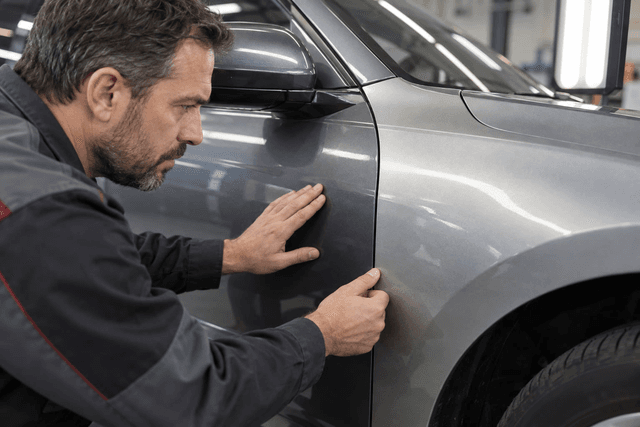
What Does It Mean When a Car Has Been Repaired?
Have you ever considered buying a used car? A repaired body might hide past accidents so is it still safe and reliable? Here’s what you need to know.
What Does It Mean When a Car Has Been Repaired ?
- This term typically refers to a vehicle that has sustained damage to its exterior structure either from an accident or another form of impact and has been repaired through auto bodywork. This process involves reshaping dents, fixing scratches, and realigning or replacing metal panels using specialized tools. It is often followed by repainting to conceal any evidence of the repair.
- The extent of bodywork varies from light cosmetic fixes that don’t affect the car’s performance, to major structural repairs that may alter its integrity and reduce its resale value.
Types of Bodywork Repairs
1. Deep Body Repairs (Partial Structural Work): Applied when medium-level damage affects specific parts like doors, fenders, or the roof. These repairs may require dismantling panels, reshaping or replacing metal components, and repainting the area afterward.
2. Full Structural Repairs (Extensive Frame Damage): Performed after major accidents that compromise the chassis or the car’s main structural frame. These jobs may involve replacing or straightening core components such as the floor, side pillars, or even portions of the chassis. Such repairs can significantly weaken the vehicle’s rigidity and lower its safety rating, impacting both performance and market value.
3. Paintless Dent Repair (PDR): A modern technique used for minor dents like those caused by hail or light impacts without affecting the original paint. This method retains the factory finish and therefore maintains the car’s value, as no repainting or filler is required.
How to Identify if a Car Has Been Repaired or Repainted
When purchasing a used car, it’s crucial to verify its structural condition to avoid hidden issues. Here are key steps to help you detect prior bodywork:
1. Visual Inspection of the Exterior: Carefully examine the paint. Variations in color or gloss between panels can indicate repainting. Look for signs of welds, uneven bolts, or non-OEM fasteners especially around fenders, doors, and the roof. Run your hand over the body to detect any inconsistencies, ripples, or rough patches that may indicate excessive filler use.
2. Professional Inspection at a Certified Shop: A certified body shop can use paint thickness gauges to detect repainted or repaired areas. They can also inspect the frame and underbody for signs of prior accidents or structural damage.
3. Request a Vehicle History Report: For imported or used vehicles, obtain a report from services like Carfax or AutoCheck to see detailed accident and repair history.
4. Test Drive the Vehicle: During the test drive, pay attention to any pulling to one side on straight roads, which could point to frame misalignment. Also, be alert for vibrations, steering irregularities, or abnormal noises that might suggest improper repairs.
5. Buy from Reputable Sellers: Always consider purchasing from dealerships or sellers with a solid reputation and transparency about the vehicle’s condition and history.
Does a Repainted Car Always Mean It’s Been Repaired?
Not necessarily. A car may have been repainted for cosmetic reasons such as sun damage or to correct minor surface imperfections.
However, repainting could signal previous bodywork if:
- The repaint is limited to specific panels (e.g., door, fender, roof).
- There are noticeable mismatches in color or shine.
- There are signs of filler, welds, or uneven surfaces beneath the paint.
Why It’s Important to Know the Type of Repair
Understanding the extent of bodywork helps assess the car’s safety, structural integrity, and resale value. Here's why it matters:
- Major frame or chassis repairs can compromise crash safety.
- Poor repairs may cause alignment issues, fluid leaks, or uneven tire wear.
- Heavily repaired vehicles often lose market value and can be harder to resell.
- Substandard paint jobs or recurring dents can indicate previous low-quality repairs.
- A professional inspection helps avoid buying a vehicle with hidden damage.
Top Tips Before Buying a Used Car
- Don’t rely solely on looks inspect thoroughly.
- Walk away if you’re uncertain about the vehicle’s condition.
- Always purchase from trustworthy, transparent sources.
How Do Repair Records Affect a Car’s Value?
- Verified repair records help buyers understand exactly what does it mean when a car has been repaired, especially when major components were involved.
- Cars with transparent documentation typically retain higher resale value because buyers trust the repair history.
- Extensive repairs—such as frame straightening or airbag replacement—may reduce value even if the car looks perfect.
- Minor cosmetic repairs rarely affect pricing unless they indicate repeated damage.
- A clean, well-documented repair history can make a used car more appealing than one with unknown past issues.
Can a Repaired Car Still Be Considered Safe and Reliable?
- A professionally repaired vehicle can be just as safe as a non-damaged one if OEM parts and proper procedures were used.
- Safety depends on the type of repair—structural repairs require higher precision than cosmetic ones.
- Reliability improves when repairs address underlying mechanical issues rather than just surface damage.
- Poor-quality repairs may compromise crash protection, alignment, or long-term durability.
- Understanding what does it mean when a car has been repaired helps buyers evaluate whether the vehicle meets safety standards.
What Are the Most Common Signs of Poor Repair Work?
- Uneven paint texture, mismatched color, or overspray often indicate rushed repainting.
- Misaligned doors, hood, or trunk suggest improper frame or panel adjustment.
- Strange noises, vibrations, or water leaks can point to hidden structural issues.
- Non-OEM parts or low-quality replacements may reduce performance and longevity.
- A professional inspection is the best way to confirm whether repairs were done correctly.
How Do Insurance Companies Classify Different Types of Repairs?
- Insurers categorize repairs based on severity—cosmetic, mechanical, structural, or total-loss restoration.
- Cosmetic repairs include dents, scratches, and minor paintwork with no impact on safety.
- Mechanical repairs involve engine, suspension, or transmission components.
- Structural repairs affect the frame or chassis and significantly influence the car’s long-term value.
- Knowing the insurance classification helps buyers understand what does it mean when a car has been repaired from a risk perspective.
Are Repaired Cars More Likely to Have Future Problems?
- Cars with high-impact damage may develop long-term issues even after professional repair.
- Electrical systems, sensors, and safety modules are particularly sensitive to collision damage.
- Repainted areas may fade differently over time if low-quality materials were used.
- Mechanical components repaired under stress may wear out faster than factory-installed parts.
- Regular maintenance and inspections help prevent future complications.
What Should Buyers Ask Before Purchasing a Previously Repaired Car?
- Ask for full repair documentation, including invoices, photos, and insurance reports.
- Request details about the workshop—certified repair centers offer higher reliability.
- Confirm whether OEM or aftermarket parts were used during the repair.
- Check if the car has undergone alignment, diagnostic scans, or safety recalibration.
- Understanding these details clarifies what does it mean when a car has been repaired and whether the vehicle is worth buying.
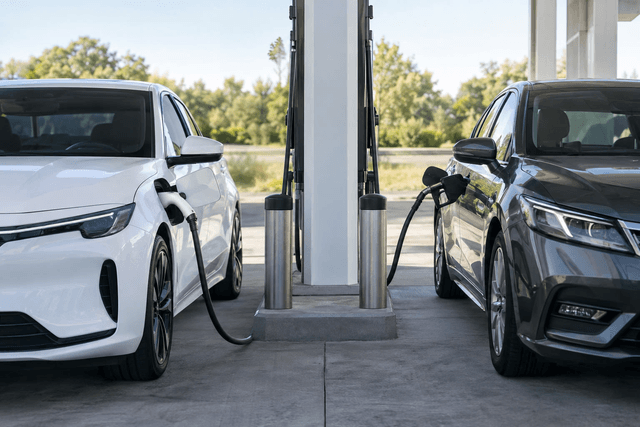
The Difference Between Hybrid and Electric Cars
Table Of Contents:
|
The Difference Between Hybrid and Electric Cars: A Comprehensive Guide
With the rapid advancement of the automotive industry and the increasing focus on environmental sustainability, hybrid and electric cars have become two main options for those looking to reduce carbon emissions and save fuel. But what is the difference between them? And which one is the best choice for you?
In this article, we will provide a comprehensive comparison between hybrid cars and electric cars, highlighting key differences, advantages, disadvantages, and which one suits different users best.
What is a Hybrid Car?
A hybrid car is a vehicle that combines an internal combustion engine (running on gasoline or diesel) with an electric motor. These two power sources work together to enhance fuel efficiency and reduce emissions. There are different types of hybrid cars, including:
Types of Hybrid Cars:
-
Traditional Hybrid (HEV - Hybrid Electric Vehicle):
- Primarily relies on the fuel engine, but the electric motor assists in improving performance and fuel efficiency.
- Does not require external charging; the battery is charged through regenerative braking and excess energy from the engine.
- Example: Toyota Prius, Honda Insight.
-
Plug-in Hybrid (PHEV - Plug-in Hybrid Electric Vehicle):
- Has a larger battery than traditional hybrids and can be charged via an external power source.
- Can travel short distances using only electric power before switching to fuel when the charge runs out.
- Example: Mitsubishi Outlander PHEV, BMW X5 xDrive45e.
What is an Electric Car?
An electric car (EV - Electric Vehicle) relies entirely on an electric motor with no internal combustion engine. It gets its power from a rechargeable battery and can be charged at home or at public charging stations.
Types of Electric Cars:
-
Battery Electric Vehicles (BEV - Battery Electric Vehicle):
- Operate solely on electric power.
- Produce zero carbon emissions while driving.
- Charging time depends on battery capacity and the charger used.
- Example: Tesla Model 3, Nissan Leaf, BMW i4.
-
Fuel Cell Electric Vehicles (FCEV - Fuel Cell Electric Vehicle):
- Generate electricity from hydrogen instead of using conventional batteries.
- More efficient and quicker to refuel compared to battery-powered electric cars.
- Example: Toyota Mirai, Hyundai Nexo.
Comparison Between Hybrid and Electric Cars
| Feature | Hybrid Cars | Electric Cars |
|---|---|---|
| Power Source | Combination of fuel and electricity | Fully electric |
| Emissions | Lower than traditional cars but still emit some carbon | Zero emissions |
| Driving Range | Longer due to the use of both fuel and electricity | Limited to battery range (depends on capacity) |
| Charging Time | No need for external charging (except for PHEV) | Requires charging, which can take hours depending on the charger |
| Fuel Costs | Lower than traditional cars but still requires some fuel | No fuel cost, but depends on electricity prices |
| Upfront Cost | Cheaper than fully electric cars but more expensive than traditional cars | Generally more expensive due to battery costs |
| Infrastructure Needs | No charging stations required, only fuel stations | Requires access to charging stations |
| Environmental Impact | Less pollution than fuel cars but still contributes to emissions | Completely eco-friendly |
Advantages and Disadvantages of Hybrid and Electric Cars
Advantages of Hybrid Cars:
✅ Improved fuel efficiency compared to conventional cars.
✅ Longer driving range due to the combination of fuel and electric power.
✅ No need for advanced charging infrastructure.
✅ Lower initial cost compared to fully electric cars.
Disadvantages of Hybrid Cars:
❌ Still emit carbon emissions.
❌ Maintenance can be complex due to the presence of both a fuel engine and an electric motor.
❌ Limited electric-only performance compared to fully electric vehicles.
Advantages of Electric Cars:
✅ Zero carbon emissions, making them environmentally friendly.
✅ Quieter driving experience as there is no combustion engine.
✅ Lower operating and maintenance costs, as there is no need for oil changes or many mechanical components.
✅ High performance and faster acceleration due to instant torque from electric motors.
Disadvantages of Electric Cars:
❌ Limited driving range compared to hybrid and traditional cars.
❌ Requires an extensive charging infrastructure.
❌ Charging times can be long compared to refueling.
❌ Higher upfront cost, although some countries offer incentives.
Which Car is Best for You?
Choosing the right car depends on your needs and driving habits:
✅ Choose a Hybrid Car if:
- You want a fuel-efficient car without worrying about charging stations.
- You frequently drive long distances.
- You want a balance between electric power and fuel reliability.
✅ Choose an Electric Car if:
- You prefer an environmentally friendly mode of transportation.
- You have access to home charging or nearby charging stations.
- You do not drive long distances daily (or have another car for longer trips).
- You want to reduce operating and maintenance costs in the long run.
Why Are Hybrid and Electric Cars Becoming More Popular Today?
- Rising fuel prices make Hybrid and Electric Cars more cost‑effective for daily commuting.
- Governments worldwide offer tax incentives and rebates for eco‑friendly vehicles.
- Consumers are increasingly aware of environmental impact and carbon emissions.
- Automakers are expanding their hybrid and EV lineups, making them more accessible.
- Charging networks are growing rapidly, reducing range anxiety for EV owners.
How Do Hybrid and Electric Cars Reduce Fuel Consumption?
- Hybrid cars use electric motors at low speeds, significantly reducing gasoline usage.
- Regenerative braking recovers energy that would otherwise be lost.
- Electric cars eliminate fuel consumption entirely by relying on battery designs and lightweight materials further improve energy savings.
What Are the Long‑Term Maintenance Differences Between Hybrid and Electric Cars?
- Hybrid cars require periodic engine maintenance, but electric motors need minimal servicing.
- EVs have fewer moving parts, reducing long‑term repair costs.
- Battery health is the most important maintenance factor for electric cars.
- Hybrids may require battery replacement after 8–10 years depending on usage.
- Electric cars avoid oil changes, spark plugs, and transmission repairs entirely.
How Does Driving Style Affect Hybrid and Electric Car Performance?
- Smooth acceleration improves battery efficiency in both hybrids and EVs.
- Frequent braking benefits hybrids through regenerative energy recovery.
- High‑speed driving drains EV batteries faster due to increased aerodynamic drag.
- City driving favors hybrids, while EVs perform best with consistent daily charging.
- Eco‑mode settings help optimize energy consumption for maximum range.
What Charging Options Are Available for Electric Cars?
- Home charging stations provide overnight charging convenience.
- Public Level 2 chargers offer faster charging during shopping or work hours.
- DC fast chargers can recharge an EV battery to 80% in 20–40 minutes.
- Some EVs support ultra‑fast charging for long‑distance travel.
- Mobile apps help drivers locate nearby charging stations in real time.
How Do Hybrid and Electric Cars Impact the Environment?
- Electric cars produce zero tailpipe emissions, reducing air pollution.
- Hybrids significantly lower CO₂ emissions compared to traditional gasoline cars.
- EVs help reduce dependence on fossil fuels.
- Battery recycling programs are improving sustainability in the EV industry.
- Widespread adoption of Hybrid and Electric Cars contributes to cleaner cities and healthier communities.