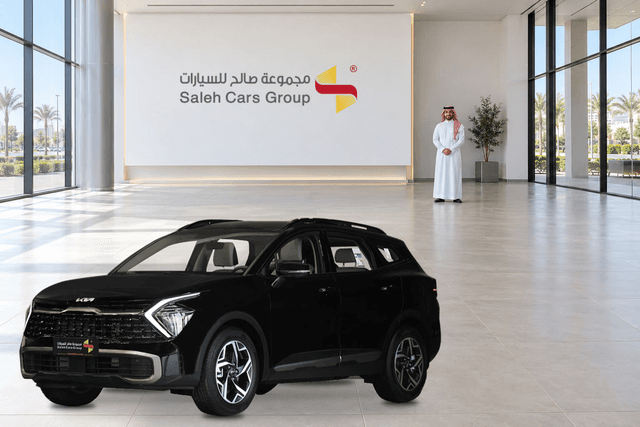
Kia Models 2026: Trims, Specs and Which One Suits You
Table of Contents:
|
Kia models 2026 listed on our site comprise ten models from the 2025 and 2026 model years that cover most buyer needs in Saudi Arabia: sedans for the city and daily driving (PEGAS, K3, K4 and K5), SUVs (Sonet, SELTOS and SPORTAGE), two family models with seven and eight seats (Carens and Carnival), and the Tasman pickup. This guide explains how they differ in body type, engine, power, seats and drive, and suggests which model suits each kind of use; you can browse the full list on the Kia cars page.
Which Kia Models 2026 Are Listed on Our Site?
Kia is a South Korean car brand. The table below summarises the models listed on our site using one representative trim per model; its specifications are those of that listed trim only and vary by trim and model year, so check the car page for the trim you want before deciding. A dash means the value is not given in this guide.
| Model | Type | Engine | Power | Seats | Drive | Transmission |
| PEGAS | Sedan | 1.4 L | 95 HP | 5 | Front | Automatic |
| K3 | Sedan | 1.6 L | 123 HP | 5 | Front | Automatic |
| K4 | Sedan | 1.6 L | 123 HP | 5 | Front | Automatic |
| K5 | Sedan | 2.5 L | 194 HP | 5 | Front | Automatic |
| Sonet | Small SUV | 1.5 L | 115 HP | 5 | Front | CVT |
| SELTOS | Compact SUV | 1.5 L | 115 HP | 5 | Front | CVT |
| SPORTAGE | SUV | - | - | 5 | Front | Automatic |
| Carens | Three-row family car | 1.5 L | 115 HP | 7 | Front | CVT |
| Carnival | Family van | 3.5 L V6 | 268 HP | 8 | Front | Automatic |
| Kia Tasman | Pickup | 2.5 L | 277 HP | 5 | Four-wheel | Automatic |
The representative trims in the table are: PEGAS GL 2026, K3 GL Retail 2026, K4 GL 2026, K5 GLS 2026, Sonet GL Upgraded 2026, SELTOS GL 2026, SPORTAGE GL - LARGE 2026, Carens GL 2026, Carnival GLS 2025 and Tasman EX-TOP 2026. The SPORTAGE engine and power are left to the trim page.
Sedans for the City and Longer Trips: PEGAS, K3, K4 and K5
The Kia PEGAS has the smallest engine among the listed sedans; the GL 2026 trim has a 1.4 L four-cylinder engine with 95 HP and 132 Nm of torque, an automatic transmission and 14 inch wheels, plus Bluetooth and a USB port. It suits buyers who want a simple sedan for daily city driving, and it is listed in GL and GLS trims for the 2025 and 2026 model years.
The Kia K3 is listed in the GL Retail 2026 trim, with a 1.6 L four-cylinder engine producing 123 HP and 151 Nm of torque, an automatic transmission and 15 inch wheels. Its equipment includes an 8 inch touchscreen, Apple CarPlay and Android Auto, a rear camera and rear-seat air vents, making it a practical choice for daily use.
The Kia K4 (often searched as Kia K 4) shares the K3 engine figures in the GL 2026 trim: 1.6 L, 123 HP and 151 Nm, with a stated fuel economy of 15.3 km/L, but it comes with 16 inch wheels, a 12.3 inch touchscreen, a rear-seat occupant alert and a drive-mode selector. Its listed trims are GL, GL Upgraded 1.6, GL Upgraded 2.0L and GLS.
The Kia K5 (sometimes searched as Kia 5 or Kia Five) has the most powerful engine among the listed sedans; the GLS 2026 trim has a 2.5 L four-cylinder engine producing 194 HP and 246 Nm of torque, a fuel economy of 15.7 km/L and 17 inch wheels. Its equipment includes a panoramic roof, ventilated and heated seats, a power driver seat with memory, a 12.3 inch touchscreen and a wireless charger, which makes it suitable for drivers who cover long trips between cities.
SUVs for Smaller Families: Sonet, SELTOS and SPORTAGE
The Kia Sonet is the smallest SUV in the list and is listed in the GL Upgraded 2026 and LX 2025 trims. The listed trim has a 1.5 L four-cylinder engine with 115 HP and 144 Nm of torque, a CVT transmission, a fuel economy of 17.0 km/L, 16 inch wheels, an 8 inch touchscreen and automatic climate control. It suits buyers who want the height of an SUV with easy city driving.
The Kia SELTOS is larger than the Sonet, and the engine figures of its GL 2026 trim match it: 1.5 L, 115 HP and 144 Nm with a CVT transmission, a fuel economy of 17.5 km/L and 16 inch wheels. It adds a wireless charger, Apple CarPlay and Android Auto, smart entry and a rear camera. Its listed trims are EX and GL for the 2025 model year, and GL and GLS for the 2026 model year.
The Kia SPORTAGE is a five-seat SUV listed in GL, GLS 1.6 and L - GLS trims for the 2025 model year, and GL - LARGE and L - GLS trims for the 2026 model year. The GL - LARGE 2026 trim has front-wheel drive, a fuel economy of 14.6 km/L and 17 inch wheels, with smart entry, push-button start, cruise control and rear air conditioning. Engine specifications differ between trims, so check them on the page of the trim you want. It suits small families who want a roomier cabin and air conditioning for rear passengers.
For Large Families: Carens With Seven Seats and Carnival With Eight
The Kia Carens is a three-row family car with seven seats in the GL 2026 trim, with a 1.5 L engine producing 115 HP and 144 Nm of torque, a CVT transmission, a fuel economy of 16.6 km/L and 16 inch wheels. Its equipment includes a folding third row, a sliding second row, USB ports for the second row and a front cup holder with cooling and heating. Its listed trims are GL, GL Camera and GLS for the 2025 model year, and GL and GLS for the 2026 model year.
The Kia Carnival is the largest model in the list with eight seats, and it is listed in GL and GLS trims for the 2025 model year. The GLS trim has a 3.5 L V6 engine producing 268 HP and 331.5 Nm of torque, a fuel economy of 11.2 km/L and 19 inch wheels, with an electric sunroof, ventilated front seats, a power tailgate, rear air conditioning and rear sunshades. It suits large families and long trips between cities.
For the Desert and Work: the Kia Tasman Pickup
The Kia Tasman is the only pickup among the Kia models on our site, and it is listed for the 2026 model year in three trims: EX-TOP, LX GLS 4x4 and LX 4X2. The EX-TOP trim has four-wheel drive and a 2.5 L four-cylinder engine producing 277 HP and 422 Nm of torque, a fuel economy of 10.7 km/L and 18 inch wheels, with forward collision warning, blind-spot information and two 12.3 inch screens. If you head out to the desert or need four-wheel drive, choose a 4x4 trim, while the 4X2 trim suits paved roads and everyday work.
How Do You Compare Kia Trims Before Buying?
Most Kia models on our site carry trims with similar names such as GL and GLS, along with special names such as GL Upgraded, GL - LARGE, GL Camera, GL Retail, EX, LX and EX-TOP. Do not rely on the trim name alone, and compare with these steps:
- Decide on the model year first, because some models are listed for 2025 and 2026 with different trims.
- Compare engine, power and torque on each trim page, as with the K4, which includes the GL Upgraded 1.6 and GL Upgraded 2.0L trims.
- Check the drive system on the Tasman between the LX 4X2 trim and the LX GLS 4x4 trim before choosing.
- Compare the equipment that matters to you: camera, screen size, seat type, rear air conditioning and sunroof.
- Confirm the number of seats if your family is large: the Carens has seven seats and the Carnival eight.
Once you have chosen a trim, the guide to new car buying steps before you sign and take delivery helps you organise the inspection and paperwork.
How Do You Find Kia 2026 Prices and Buy the Right Trim?
The price of each trim is shown on its own car page and changes with the trim and model year, which is why this guide does not state prices. If there are offers on Kia models, you will find them on the current offers page, and to estimate instalments before applying, use the car finance calculator.
You can view the listed models at the Saleh Cars branches and find their locations on the contact and branches page or through the unified number 920022122.
Frequently Asked Questions About Kia Models 2026
What is the price of the Kia PEGAS 2026?
The PEGAS price differs between the GL and GLS trims and by model year; the current price of each trim, with any running offer, is shown on the car page and the offers page, and you can estimate instalments with the finance calculator.
What is the difference between the Kia K4 and the Kia K3?
The listed trims of both have a 1.6 L engine with 123 HP and 151 Nm of torque, but the K4 GL comes with 16 inch wheels and a 12.3 inch touchscreen, while the K3 GL Retail comes with 15 inch wheels and an 8 inch touchscreen.
Is Kia 5 the same as the Kia K5?
Yes, many people write the K5 name as Kia 5 or Kia Five. It is a sedan listed in GL, GL Retail and GLS trims for the 2025 and 2026 model years.
What is the difference between the Kia SPORTAGE 2025 and 2026 on the site?
The listed 2025 trims are GL, GLS 1.6 and L - GLS, and the 2026 trims are GL - LARGE and L - GLS, so compare each trim page to see the differences in engine and equipment.
Which Kia model suits a large family?
The Carens with seven seats in the GL 2026 trim, and the Carnival with eight seats in the GLS 2025 trim with a 3.5 L V6 engine.
Conclusion
Kia models on our site include the city sedans PEGAS, K3 and K4, the more powerful K5 sedan, the Sonet, SELTOS and SPORTAGE SUVs, the Carens and Carnival family models and the Tasman pickup. Decide what you need in seats, drive and equipment first, then compare the trims on the car pages and browse the full list in Kia cars.

Jetour Models 2026: Trims, Specs and Which Suits You
Table of Contents:
|
If you are looking for Jetour models 2026, this guide brings together the models listed on the Jetour cars page of our site: T2, T1 and G700 for those who head out into the desert and travel often, X70 and X90 PLUS for families, and Dashing and X50 for the city and everyday use, with model years 2025, 2026 and 2027. Jetour is a Chinese car brand. For each model we show its type, engine, power, number of seats and drive system as stated for the listed trim, then explain how to compare trims before buying. Remember that the specifications here belong to the trim mentioned and vary by trim and model year, so check the car page for the exact specifications of the trim you want.
Jetour Models 2026 Listed on Our Site at a Glance
The table below summarises one representative trim for each model as listed on the car pages of our site. The values belong to that trim only and may differ in other trims and model years, and a dash means the value is not stated in the trim data or needs checking on the car page.
| Model | Listed trim | Type | Engine | Power | Seats | Drive |
| T2 | Luxury 2027 | SUV | 2 L turbo | 254 HP | - | Four-wheel |
| T1 | Luxury 2027 | SUV | 2 L turbo | 251 HP | 5 | Four-wheel |
| G700 | FLAGSHIP 2027 | Hybrid SUV | 2 L turbo hybrid | 904 HP | 6 | Four-wheel |
| X70 | Comfort 2026 | SUV | 1.5 L turbo | 154 HP | 7 | Front-wheel |
| X90 PLUS | LUXURY 1.6L 2025 | SUV | 1.6 L turbo | 194 HP | 7 | Front-wheel |
| Dashing | BASE 2027 | Crossover | 1.5 L | 156 HP | 5 | Front-wheel |
| X50 | PREMIER 2027 | Compact crossover | 1.5 L turbo | 154 HP | - | Front-wheel |
All trims represented in the table have an automatic transmission and petrol engines of 1.5, 1.6 and 2 litres, and the listed G700 trim uses a hybrid system. The clearest difference between the models is the drive system and the number of seats: T2, T1 and G700 have four-wheel drive, and the rest have front-wheel drive.
Jetour Models for the Desert and Long Trips
Jetour T2 is an SUV with an off-road character, and its listed Luxury 2027 trim comes with a 2 L turbo petrol engine producing 254 HP and 390 Nm, an automatic transmission, and four-wheel drive with normal, sport, sand, snow and mud driving modes, with fuel economy of 14.8 km/L. Its equipment in the trim data includes roof rails, a metal underbody skid plate, a rear spare wheel cover, a panoramic roof, adaptive cruise control, forward collision warning, a 15.6 touchscreen, 20 inch wheels and a 70 L fuel tank. The sand mode together with the underbody plate makes it a sensible choice for those who head out into the desert for camping trips and outings.
Jetour T1 is an SUV with five seats in its listed Luxury 2027 trim, with a 2 L turbo four-cylinder engine producing 251 HP and 390 Nm, four-wheel drive with normal, sport, sand and mud modes, and fuel economy of 14.6 km/L. Its equipment leans towards comfort: ventilated leather seats, electric adjustment for the driver and passenger seats, a 10.56 inch digital instrument cluster, a 15.6 inch central screen, a wireless charger, a surround-view camera system, adaptive cruise control and a lane monitoring system. It suits buyers who want four-wheel drive capability with a comfortable cabin for five.
Jetour G700 is a large off-road SUV with a hybrid system, and its listed FLAGSHIP 2027 trim combines a 2 L turbo petrol engine with the hybrid system for 904 HP and 1135 Nm as stated in the trim data, along with four-wheel drive, six seats, 20 inch wheels, a 100 L fuel tank and fuel economy of 21.1 km/L. Its equipment includes a panoramic roof, ventilated seats, adaptive cruise control, forward collision warning, a lane monitoring system and blind-spot information. It suits buyers looking for high power and space for long trips outside the cities.
Seven-Seat Jetour Family Models
Jetour X70 is a seven-seat SUV with front-wheel drive, and its listed Comfort 2026 trim has a 1.5 L turbo four-cylinder engine producing 154 HP and 230 Nm and an automatic transmission, with normal and sport driving modes, 18 inch wheels, a rear camera, smart entry, a 12.3 inch information display, a 10.1 inch central screen and an electric parking brake. It is a practical choice for families who need a third row for daily errands and trips between cities.
Jetour X90 PLUS is a seven-seat family SUV, and its listed LUXURY 1.6L 2025 trim has a 1.6 L turbo engine producing 194 HP and 290 Nm, fuel economy of 15.0 km/L, front-wheel drive with normal and sport modes, and 20 inch wheels. It adds equipment that matters to families on the road: an electric tailgate, second-row air conditioning vents, leather seats with heated front seats and a ventilated driver seat, driver seat position memory, a surround-view camera system and blind-spot information.
If the family also needs four-wheel drive, the G700 with six seats in its listed trim is another option worth comparing. To choose between five and seven seats in general, think about your usual number of passengers, the boot space you need when the third row is in use, and how easy that row is to reach for older passengers and children.
Jetour Models for the City and Everyday Use
Jetour Dashing is a five-seat crossover, and its listed BASE 2027 trim has a 1.5 L four-cylinder petrol engine producing 156 HP and 230 Nm, an automatic transmission and front-wheel drive, fuel economy of 16.8 km/L, 18 inch wheels and a 57 L fuel tank. Its equipment includes a 12.8 inch touchscreen, an 8 inch driver display, a front armrest, a rear camera and smart entry. It suits young drivers or small families who do most of their driving in the city.
Jetour X50 is a compact crossover, and its listed PREMIER 2027 trim has a 1.5 L turbo four-cylinder engine producing 154 HP, front-wheel drive and 18 inch wheels, with fuel economy of 17.5 km/L, the highest figure among the petrol trims represented in this guide. Its equipment includes an electric sunroof, a surround-view camera system, blind-spot information, a wireless phone charger, a 10.25 inch touchscreen, an electric driver seat and leather seats. Its compact size makes parking and moving through city traffic easier.
How Do You Compare Jetour Trims Before Buying?
Each model has more than one trim on our site, and these are the trim names listed for each model:
- T2: Comfort, Luxury, Luxury White with Black Roof, Luxury Plus, and Hybrid for 2026.
- Dashing: BASE, MID, Comfort, Comfort Black Edition, Comfort White Color and Luxury.
- T1: Comfort and Luxury.
- X70: Comfort and Luxury.
- G700: Comfort, Luxury and FLAGSHIP.
- X50: Premium and PREMIER.
- X90 PLUS: LUXURY 1.6L.
When comparing, open the page for each trim and compare the same items: engine size and whether it has a turbo, power and torque, drive system and driving modes, number of seats, wheel size, assistance systems such as adaptive cruise control, collision warning and lane monitoring, camera type and screen sizes, and then pay attention to the model year. A higher trim of the same model usually adds comfort and safety equipment, but the right choice is the one that covers your actual needs rather than the most extras. For general steps before signing and delivery, see the step-by-step new car buying guide.
Jetour 2026 Prices and How to Buy the Right Trim
We do not state prices in this guide because they change with the trim, the model year and current offers; the current price of each trim appears on its own car page, and you can find the running offers on the current car offers page. If you are considering instalments, use the car finance calculator to estimate the instalment from your own inputs before contacting a finance provider.
You can view the listed Jetour models at the Saleh Cars branches, and find the branches and contact options on the contact and branches page or through the unified number 920022122. To see all listed trims in one place, go back to the Jetour cars page.
Frequently Asked Questions About Jetour Models
How much is a Jetour 2026?
The price varies by model, trim and model year, so we do not show figures here. The updated price of each trim is on its car page, current offers are on the offers page, and you can estimate the instalment with the finance calculator.
Is there a Jetour T2 Hybrid 2026?
The T2 trims listed on our site include a trim named Hybrid for 2026. Because its specifications may differ from the Luxury trim shown in the table, check its page or contact the branches for details. The listed G700 trim also uses a hybrid system.
What is the difference between the Jetour T1 and T2?
Both listed Luxury 2027 trims have a 2 L turbo engine, four-wheel drive and 390 Nm of torque; the difference is in power, 251 HP for the T1 against 254 HP for the T2, and in wheels, 19 inch against 20 inch. The T2 adds a snow mode to its driving modes, while the T1 comes with ventilated seats, a surround-view camera system and five seats.
Which Jetour model suits a large family?
Among the listed trims, the X70 and X90 PLUS have seven seats, and the G700 has six seats with four-wheel drive. Choose between them based on your need for four-wheel drive and equipment, and confirm the number of seats on the page of the trim you choose.
Is the Jetour X50 suitable for city driving?
Generally yes: it is a compact crossover with front-wheel drive and a 1.5 L turbo engine, its fuel economy in the listed trim is 17.5 km/L, and it has a surround-view camera system and blind-spot information that help with parking and traffic. For sandy roads, the four-wheel drive models such as the T2 and T1 are the better match.
Conclusion
The Jetour models listed on our site cover three needs: T2, T1 and G700 for the desert and trips with four-wheel drive, X70 and X90 PLUS for families with seven seats, and Dashing and X50 for the city. Decide on your use first, then compare trims on the car pages because specifications vary by trim and model year, and check the price and offers before making a decision.
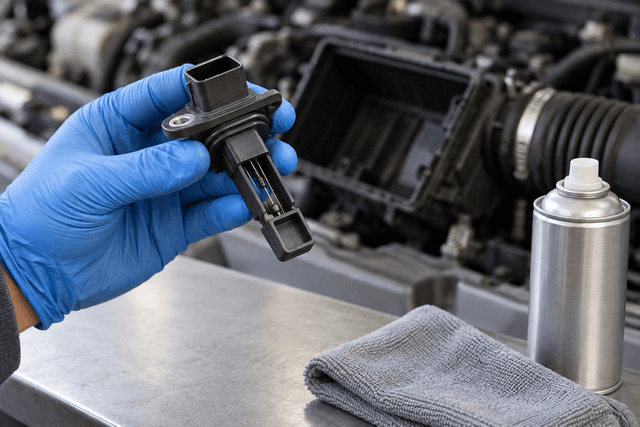
How to Test MAF Sensor Readings and Clean the Sensor
Table of Contents:
|
How to test MAF sensor readings correctly starts with ruling out simple causes such as a clogged air filter or air entering after the sensor, then a visual inspection, then reading codes and live data with an OBD-II scan tool and comparing them with what the service data states or the technician expects. If the sensor is dirty, clean it only with a spray made for MAF sensors and without touching the sensing element. Your owner’s manual and a qualified technician remain the reference for your car’s values and procedures.
What Does the MAF Sensor Measure and When Should You Suspect It?
The MAF (mass air flow) sensor usually sits between the air filter box and the throttle body and measures the amount of air entering the engine, so the engine computer can calculate the right amount of fuel. It differs from the manifold absolute pressure (MAP) sensor, which measures pressure inside the manifold, and from the intake air temperature sensor, which may be built into the MAF sensor housing. Some engines rely on a MAP sensor instead of a MAF sensor or alongside it, so first confirm which sensor your car has.
Symptoms may include the engine warning light, an unstable idle, misfiring, weak pulling and higher fuel consumption, and they are shared with many other faults; so see MAF sensor symptoms, causes and prevention for details, and causes of power loss under acceleration if weak pulling is the main symptom.
Which Simple Causes Should You Rule Out Before Testing the Sensor?
Many abnormal readings are caused by what surrounds the sensor rather than the sensor itself. Check the following with the engine off and cold:
- Air filter: a clogged or poorly seated filter may restrict airflow or let dust reach the sensor. Review the signs your car needs a new air filter.
- Air entering after the sensor: the sensor does not measure this air, so the air-fuel mixture may be upset and symptoms may resemble a sensor fault.
- Intake hose and clamps: look for a crack, a loose hose or a slack clamp between the sensor and the throttle body.
- Sensor connector: make sure it is firmly seated, its pins are free of corrosion and moisture, and its wires are intact.
How to Test MAF Sensor Readings Step by Step
Order the tests from the simplest to the most precise, and do not move on before finishing the previous step:
- Visual inspection: look for dirt, oil traces, damage or a foreign object in the air path, without touching the delicate sensing element with your fingers or any tool.
- Reading codes and live data with an OBD-II scan tool, usually the most important step.
- Unplug test: an indicative test that a technician performs with care, and it should not be relied on alone.
- Multimeter check: an electrical test that differs from car to car and is done according to the service manual.
How Do You Read Fault Codes and Live Data With a Scan Tool?
Connect the scan tool to the diagnostic port under the dashboard, and note the stored and pending codes and the freeze frame data before clearing anything. Codes may point to the sensor circuit, a reading out of range, or a lean or rich mixture; for other reasons, see the common causes of the engine warning light.
Then open the live data and watch the sensor reading:
- At idle: once the engine reaches operating temperature, compare the reading with what the service data states or the technician expects for your engine.
- When raising the revs gradually: the reading is expected to rise smoothly, while jumps, dropouts or a flat reading may point to a problem with the sensor or its wiring.
- Fuel trims: the technician reads them alongside the sensor reading, as their pattern may help distinguish unmetered air from an inaccurate reading.
Do not rely on figures published for other cars, because values vary with the engine and its design.
Is the Unplug Test Reliable, and When Is a Multimeter Used?
In this test the technician unplugs the sensor connector with the engine off and then starts it to see whether its behaviour changes, since the computer usually falls back on estimated values without the signal. If performance clearly improves, this may suggest an inaccurate reading, but the result is indicative, not a final verdict.
Some cars enter limp mode, run worse or show no change at all, and a fault code is stored because of the disconnection; so the test stays with the technician as part of a broader diagnosis, and the car should not be driven with the sensor unplugged.
A multimeter is used to check the supply, ground and signal, but connector pins and the measuring method differ between cars, and some sensors send a frequency signal that a standard measurement cannot read; so it follows the wiring diagram in the service manual or is done by a qualified technician.
How Do You Clean a MAF Sensor Correctly?
Cleaning helps when the sensor is dirty but sound; it does not fix an electrical fault. Follow the cleaner’s label; in general:
- Switch the engine off, let it cool, and work in a well-ventilated place away from flames, as cleaning sprays are usually flammable.
- Disconnect the sensor connector, then remove the sensor carefully with the right tool, as some sensors use special screws.
- Spray the sensing element with a cleaner made for MAF sensors only, from the distance recommended on the can, without touching it or wiping it with a cloth, brush or cotton bud.
- Let it air-dry completely, and never install it while wet.
- Refit the sensor and connector, tighten the intake hose and clamps, then start the engine and watch its behaviour and the engine warning light.
Which Mistakes Damage the MAF Sensor During Cleaning?
Avoid the following, because it may damage the sensor or hide the fault instead of fixing it:
- Using brake cleaner, carburettor cleaner or general solvents, which may leave residue or damage plastic and the sensing element.
- Blowing compressed air or spraying water, which may damage the delicate element or let moisture reach the circuit.
- Touching or wiping the sensing element, or cleaning while the engine is running or hot.
- Over-oiling washable air filters, because excess oil may travel with the air and contaminate the sensor; follow the filter instructions or use the filter specified in the manual.
- Clearing codes straight after cleaning before confirming the cause has been addressed.
Once the real cause has been addressed, the codes can be cleared and the repair verified with normal driving and another look at the live data; the computer may need some driving to relearn its fuel trims. If the code returns, the problem is not solved yet.
When Is Cleaning Enough and When Does the MAF Sensor Need Replacing?
Cleaning is often enough if the reading returns to a normal pattern and the symptoms disappear. Replacement is considered when:
- The sensing element is broken, the sensor body is cracked or its terminals are damaged.
- The reading stays abnormal after cleaning and after ruling out air leaks and wiring or connector problems.
- The technician confirms with a scan tool or electrical measurement that the fault is inside the sensor itself.
When replacing it, choose a part matching the part number or the vehicle identification number, as a non-matching sensor may give wrong readings. If high fuel consumption continues after the repair, review the causes of higher fuel consumption, as there are many other possible reasons.
What Do the Test Results Mean and What Is the Next Step?
The table summarises common findings; all of them are possibilities that need confirmation:
| Symptom or finding | What it may mean | Next step |
| Clogged or poorly seated air filter | Restricted airflow or dust reaching the sensor | Replace the filter as per the manual, then retest |
| Cracked hose or slack clamp after the sensor | Air entering that the sensor does not measure | Fix the leak before judging the sensor |
| Dirt or oil traces on the sensor | Inaccurate reading | Clean it with the dedicated spray and find the oil source |
| Reading does not rise smoothly with revs | Dirty or failed sensor or a wiring problem | Clean it, then have the wiring and reading checked by a technician |
| Code related to the sensor circuit | Fault in the connector, wiring or sensor | Inspect the connector and request electrical testing per the service manual |
| Code returns after cleaning and repairs | Fault inside the sensor or an undetected cause | Diagnosis by a qualified technician; replacement may be needed |
Frequently Asked Questions About Testing and Cleaning the MAF Sensor
How do I know if the MAF sensor is bad?
Symptoms alone are not enough because they resemble other faults. Confirmation comes from reading codes and live data after ruling out the air filter, air leaks and the connector, preferably with a qualified technician.
What is the best spray for cleaning a MAF sensor?
A product whose label clearly states that it is made for MAF sensors, leaves no residue once dry and is safe on plastic parts. Read the label and follow its instructions.
Can I clean the MAF sensor with brake or carburettor cleaner?
This is not recommended, because these cleaners are harsher than needed and may leave residue or damage the sensing element.
Should I clear the fault code after cleaning the MAF sensor?
Clear it only after the cause has been addressed, then verify by driving and checking the live data. Clearing the code does not fix the fault, and if it returns, have it diagnosed.
Can I drive the car with a faulty MAF sensor?
It may remain drivable, with performance and fuel consumption affected. But if the engine warning light flashes, the engine clearly loses power or a red warning appears, avoid driving and call for help.
Conclusion
The right way to test a MAF sensor starts with ruling out the air filter, air leaks and the connector, then a visual inspection, then reading codes and live data. Clean the sensor with a dedicated spray without touching the sensing element, do not clear codes before the cause is addressed, and leave electrical tests and the replacement decision to a qualified technician.

Buying a Chinese Car in Saudi Arabia: What to Check First
Table of Contents:
|
Before buying a Chinese car in Saudi Arabia, check things that do not show in the showroom: the brand’s parent company and who officially represents it in the Kingdom, whether there are service centres and spare parts in your city, the written warranty terms, and whether the car meets the GCC specification suited to heat and dust; then take a test drive and try the technology and the screen interface in Arabic. This guide is a neutral checklist that does not favour one brand over another; it helps you ask the seller the right questions before you sign.
Why Does the Parent Company of a Chinese Brand Matter?
The Saudi market includes many Chinese brands, and some of them belong to a larger group. Knowing the parent company helps you understand who stands behind the car and direct your questions about the dealer and the service network. Examples of these relationships include:
- Jetour, Omoda and Jaecoo: brands that belong to Chery.
- Haval: a brand owned by Great Wall Motor that specialises in SUVs and crossovers.
- Deepal: a company owned by Changan.
- Lynk & Co: a brand within the Geely group.
- Hongqi: a brand owned and operated by FAW Group.
However, two brands belonging to one group do not necessarily share the same dealer or service centres in the Kingdom, so ask about each brand separately. The brands and models available on the market also change over time. If you want to recognise these brands’ badges and names, see the guide to car brand logos and names.
How Do You Verify the Authorised Dealer and After-Sales Service in Your City?
Buy from the brand’s official agent in the Kingdom or from a dealer it has authorised, and ask the seller directly about their status. Ways to verify include checking the list of dealers and service centres on the brand’s official Saudi website if one exists, and making sure the warranty is activated with the agent in your name at delivery.
After-sales service is part of the buying decision, so ask before you sign:
- Where is the nearest authorised service centre to your city? Can it service this model with its powertrain, especially if it is hybrid or electric?
- Are routine maintenance parts such as filters and brake pads available locally? How are parts that are not in stock ordered?
- How are body panels, glass and lights handled after an accident, and does the agent supply them?
- Is there a roadside assistance service, and what are its written terms?
What Should You Read in the Written Warranty Terms?
Do not rely on a verbal promise from the seller; read the warranty booklet and the sales contract, and ask for any extra commitment to be written into the contract or invoice. Pay attention to the following:
- The covered parts, such as the engine, transmission and electrical systems, and whether the high-voltage battery in electric and hybrid cars has a separate warranty with its own terms.
- The warranty period and mileage limit as written in the booklet, and when they start to count.
- The conditions for keeping the warranty valid, such as servicing at authorised centres and following the maintenance schedule in the owner’s manual.
- The exclusions, such as wear parts and unapproved modifications, and whether the warranty transfers to the next owner when you sell.
Is the Car GCC Specification and Suited to Saudi Heat?
Ask which market version the car was built for, and make sure it is the version intended for the Saudi or GCC market. A car built for other markets may differ in cooling, air conditioning and infotainment settings, and may not be covered by the local agent’s warranty.
For extreme heat and dust, many owner’s manuals include a maintenance schedule for severe operating conditions, so ask the service centre whether it applies to your use, particularly for the engine air filter and the cabin filter. Also check the fuel octane rating required in the owner’s manual or on the fuel filler flap, because some engines may require higher-octane fuel than others, and this belongs in your running-cost calculation.
What Should You Test on the Drive, the Technology and the Screen?
Drive the car on roads similar to your daily use, test the air conditioning in the heat of the day, and follow the test drive checklist before buying to assess comfort, noise and visibility. Then focus on the technology and screens, because they vary widely between models and trims:
- Driver assistance systems: confirm that the advertised features are fitted to the trim you are buying, and try how they are activated and how they warn you.
- Screen and instrument cluster: does the interface support Arabic with a clear translation? Do the navigation, voice commands and phone connection work as you expect?
- Software updates: are they delivered over the air or at the service centre? Who provides them in the Kingdom? Does the car’s app need an account or a subscription?
- Ease of use: can you adjust the air conditioning, mirrors and basic settings easily while driving without distraction?
Petrol, Hybrid or Electric: What Should You Consider?
The type of powertrain changes the questions you ask the seller:
- Petrol: check the required octane rating and the maintenance schedule in the owner’s manual.
- Hybrid: ask whether it is a conventional hybrid or a plug-in hybrid charged from an external source, and whether the service centre can maintain the hybrid system.
- Electric: make sure a home charger can be installed where you live and that charging is available on your usual routes, and ask how air conditioning and heat affect the driving range.
For both hybrid and electric cars, read the battery warranty terms in writing, and ask about technicians qualified to work on high-voltage systems in your city.
What Should You Ask About Insurance and Resale Value?
Request insurance quotes for the same model and trim before you sign, because the premium varies with the car and other factors, and compare the cover and exclusions rather than the premium alone.
There is no fixed rule for resale value; follow used-car listings for the same model to form a general idea, and remember that the car’s condition and its service history at an authorised centre affect it. It is also useful to check before buying whether the model is subject to any recall campaign.
Checklist Before Buying a Chinese Car
The table below summarises what to check, why it matters and how to verify it:
| What to check | Why it matters | How to verify |
| Seller status | The agent’s warranty and authorised servicing depend on it | Ask the seller and check the dealer list on the brand’s official website |
| Service centres and spare parts | Less waiting for maintenance or repairs | Ask about the nearest authorised centre and routine parts availability |
| Written warranty | Knowing what it covers and how it stays valid | Read the warranty booklet and ask for any extra promise in writing |
| GCC specification | Cooling and air conditioning suited to heat and dust | Ask about the market version and review the car’s documents |
| Fuel grade | Using the fuel the engine was designed for | Owner’s manual or the fuel filler flap label |
| Technology and screen | Confirming the features and Arabic language support | Try them during the test drive |
| Insurance and resale | Estimating the cost of ownership | Insurance quotes for the same trim and used-car listings |
Frequently Asked Questions About Buying a Chinese Car
Are Chinese cars suitable for Saudi heat?
It depends on the model, its specification and how it is maintained, not on the country of origin alone. Make sure the car is GCC specification, test the air conditioning in the heat of the day, and follow the maintenance schedule in the owner’s manual.
How can I confirm the seller is an official agent or authorised dealer?
Ask the seller about their status, check the dealer list on the brand’s official Saudi website if one exists, and make sure the warranty is activated with the agent in your name at delivery.
Does the warranty include routine servicing?
Not necessarily; a warranty usually covers manufacturing defects, while free routine servicing depends on the seller’s offer. Rely on what is written in the warranty booklet and the sales contract.
How do I know spare parts are available in my city?
Ask the nearest authorised service centre about routine maintenance parts for the model you want and how parts that are not in stock are ordered, and use the vehicle identification number (VIN) when ordering so the part matches.
Do the Chinese brands available in Saudi Arabia change?
Yes, new brands and models may arrive and the trims on offer may change over time, so check the current situation with the agent instead of relying on old information.
Conclusion
Buying a Chinese car is like buying any new car, but it deserves extra questions: who the parent company and the agent are, where the service centres and spare parts are, what the written warranty says, whether the specification is GCC, and how the technology and screen work in Arabic. You can browse the new cars currently listed at Saleh Cars Group and then apply this checklist to any model you are considering.
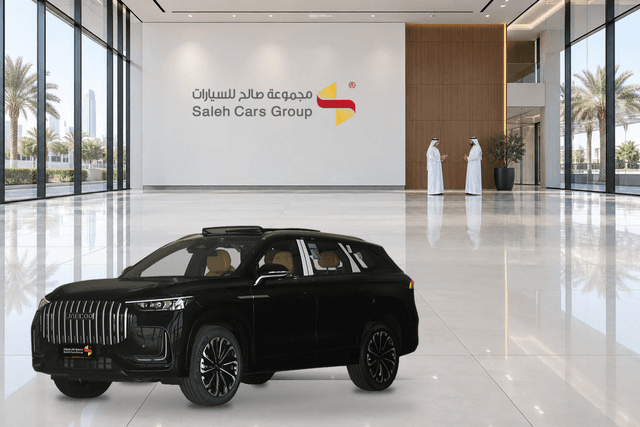
JAECOO Models 2026: J5, J7 SPORT and J8 Buyer Guide
Table of Contents:
|
The JAECOO models 2026 listed on our site are three SUVs, the J5, the J7 SPORT and the J8, and the J5 is listed in both 2026 and 2027 versions. The three differ in size, seating and engine: the J5 and the J7 SPORT are compact five-seaters with a 1.5 L petrol engine, while the J8 is the largest, with seven seats and a 2.0 L turbo engine. This guide explains how they differ, which trims are listed for each model and who each one suits, and you can browse every listed car on the JAECOO cars page. JAECOO is a Chinese car brand. The specifications here are those of the listed trim named with each model and may vary by trim and model year, so check the car page for the exact specifications of the trim you want.
Which JAECOO Models 2026 Are Listed on Our Site?
The table below shows the three models with the specifications of one listed trim per model, named in the second column. The values come from the site’s listings, and a dash means the value is not stated here and needs confirming on the car page.
| Model | Listed trim | Type | Engine | Power | Torque | Transmission | Seats | Drive |
| J5 | COM 2027 | Compact SUV | 1.5 L, 4 cylinders, petrol | 147 HP | 210 Nm | CVT | 5 | Front |
| J7 SPORT | Comfort 2026 | Compact SUV | 1.5 L turbo, 4 cylinders, petrol | 146 HP | 210 Nm | Automatic | 5 | Front |
| J8 | LUXURY 2026 | Seven-seat SUV | 2.0 L turbo, 4 cylinders, petrol | 261 HP | 400 Nm | Automatic | 7 | - |
The table shows that the J5 and the J7 SPORT are close in displacement, power, torque and seating, and the clearest differences between them are the transmission, wheel size, screens and the rest of the equipment. The J8 moves up to a larger size with a stronger engine, more torque and a third row of seats, so it speaks to a different buyer.
Compact SUVs for the City and Small Families: J5 and J7 SPORT
The JAECOO J5 is the compact entry point to the brand’s models. The listed COM 2027 trim has a 1.5 L four-cylinder petrol engine with 147 HP and 210 Nm, a CVT transmission and front-wheel drive, and the listing states fuel economy of 17.9 km/L. Its listed equipment includes a smart entry system, a rear camera, 17-inch wheels, a 9.2-inch instrument screen, an 8-inch central screen, driver and front passenger airbags, and front side airbags.
The site lists the J5 in several trims: COM (Comfort) in 2026 and 2027 versions, Premium and Lux in the 2026 version, plus an entry for the Luxury trim in Blue Gray. The J5 suits drivers who spend most of their time in the city and want a raised five-seater, and who care about the fuel economy figure, keyless smart entry and parking with the help of the rear camera.
If you are searching for the JAECOO J7, the model currently listed on our site is the JAECOO J7 SPORT in the Comfort 2026 trim. It has a 1.5 L four-cylinder turbo petrol engine with 146 HP and 210 Nm, an automatic transmission, front-wheel drive, five seats and 18-inch wheels. Its listing mentions a 10.25 LCD digital instrument cluster, a 13.2 touchscreen, a sound-insulating windscreen, remote air conditioning start from the key, an electronic child safety lock for the doors, four airbags and a rear camera.
The J7 SPORT suits buyers who want a compact size close to the J5 but with larger screens, larger wheels and comfort features such as starting the air conditioning remotely before getting in, a practical feature in the Saudi summer. Families with young children will also value the electronic child lock on the doors.
A Seven-Seat Family SUV for Long Trips: J8
The JAECOO J8 is the largest JAECOO model listed with us, and all of its listed trims are from the 2026 version. The reference LUXURY 2026 trim has a 2.0 L four-cylinder turbo petrol engine with 261 HP and 400 Nm, an automatic transmission, normal and sport drive modes, seven seats, 19-inch wheels and listed fuel economy of 15.2 km/L.
This trim’s listed equipment goes beyond the two compacts: a panoramic sunroof, adaptive cruise control, forward collision warning, ventilated and heated seats, a smart entry system, a power tailgate, and a driver display and a central screen listed at 12.3 each, both supporting Arabic. We have not stated the drive type for this trim because it needs confirming, so check it on the car page or ask the branch.
The listed J8 trims are Executive, Premium, Premium in Matte Gray and LUXURY. The J8 suits large families who need a third row of seats and drivers who often travel between cities, since adaptive cruise control helps on highways, the higher torque helps when the car is full of passengers and luggage, and ventilated seats ease the summer heat.
Which JAECOO Model Suits Your Use?
- For the city and daily commuting: the J5, with its compact size, five seats and the fuel economy stated in its listing.
- For larger screens in a compact car: the J7 SPORT, with a 13.2 touchscreen and 18-inch wheels.
- For a large family: the J8, with seven seats and a power tailgate that makes loading luggage easier.
- For long trips between cities: the J8, with adaptive cruise control, forward collision warning and a 2.0 L turbo engine.
- For desert and sandy roads: the reference trims in this guide do not show a four-wheel-drive system, so check the drive system on each trim’s page before deciding.
How Should You Compare JAECOO Trims Before Buying?
The model name alone is not enough, because equipment changes from trim to trim and from year to year. Open the page of each trim you are considering and compare them in the order below, then read the steps for buying a new car before signing and delivery before you complete the deal.
- Model year: the J5 is listed in 2026 and 2027 versions, so compare COM 2026 with COM 2027 on their own pages rather than relying on the name.
- Trim ladder: for the J5 compare COM, Premium and Lux, and for the J8 compare Executive, Premium and LUXURY, focusing on screens, airbags, camera, sunroof, ventilated seats and adaptive cruise control.
- Colour entries: the J8 Premium in Matte Gray and the J5 Luxury in Blue Gray appear as separate entries, so check whether the entry differs in equipment or only in colour.
- Engine, transmission and drive system: confirm them on the trim’s own page, especially the drive system of the J8.
- Viewing: see the trim at the branch, try the seats and screens, and check how easy it is to reach the third row of the J8 if you will use it often.
How Do You Find JAECOO Prices, Offers and Finance Options?
The current price of each trim is shown on the car page itself, so open the page of the trim you want rather than relying on a general price for the model. Follow the current offers page to see the offers on the listed models.
If you are considering instalments, use the car finance calculator to estimate the instalment based on your details before applying. The listed models can be viewed at Saleh Cars branches, and you can find addresses and contact options on the contact and branches page or through the unified number 920022122.
Frequently Asked Questions About JAECOO Models
What is the difference between the JAECOO J5 and the JAECOO J7 SPORT?
Both are compact five-seat SUVs with a 1.5 L engine and 210 Nm in the reference trims. The J5 COM has a CVT and 17-inch wheels, while the J7 SPORT Comfort has a turbo engine, an automatic transmission, 18-inch wheels and larger screens.
How much do the JAECOO J8 and the JAECOO J7 SPORT cost?
The price varies by trim and year; the current price of each trim is on its car page, offers are on the offers page, and you can estimate the instalment with the finance calculator.
Is the 2027 JAECOO J5 listed on the site?
Yes, the COM (Comfort) trim of the J5 is listed in a 2027 version alongside the 2026 trims, and it is the reference trim in the table above.
What colours of the JAECOO J8 are listed?
Among the listed J8 trims is an entry named Premium in Matte Gray; the other colours offered for each trim appear on the car page, or you can ask about them at the branch.
How many seats does the JAECOO J8 have and does it suit families?
The reference LUXURY 2026 trim has seven seats, along with ventilated and heated seats and a power tailgate, which makes it the closest fit for a large family among the listed JAECOO models.
Conclusion
The JAECOO models listed with us split into two compact five-seaters, the J5 for the city and the J7 SPORT for those who want larger screens and wheels, and one seven-seat family SUV, the J8, for large families and travel. Compare trims on the car pages, confirm the price and drive system of each trim, and browse the full list on the JAECOO cars page.
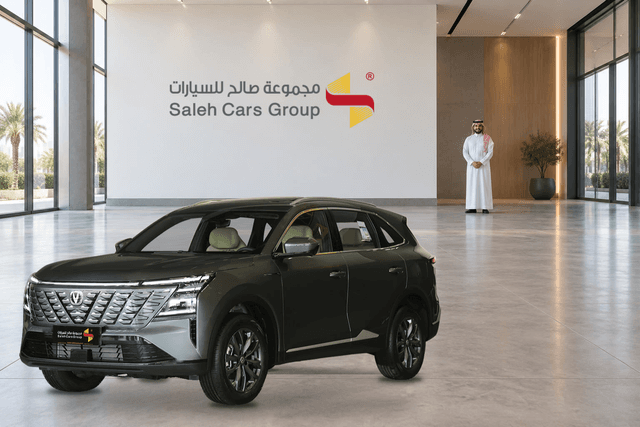
Changan Models 2026: Trims, Specs and Which to Choose
Table of Contents:
|
The Changan models 2026 listed on our site include sedans for the city, crossovers and SUVs for families and travel, and a pickup truck for work and rough roads, and they differ in engine, power, number of seats, drive system and equipment. Changan is a Chinese car brand. Here we set out the differences between them, which suits each buyer in Saudi Arabia, and how to compare trims before buying. To see all of the brand’s listed cars on one page, browse Changan cars.
Which Changan Models 2026 Are Listed on Our Site?
The table summarises the specs of one representative trim of each model, as given in our site’s listings. The specs belong to the named trim and vary by trim and model year, so check the car page for the exact specs of your trim. The listed model years are 2025 and 2026, with 2027 added for the ALSVIN.
| Model | Type | Trim in table | Engine | Power | Seats | Drive |
| CS95 | Large SUV | Royal 4WD 2026 | 2 L turbo | 233 HP | 7 | Four-wheel |
| CS75 Plus | Mid-size SUV | Royal 4WD 2026 | 2 L | 245 HP | 5 | Four-wheel |
| UNI-K | Mid-size SUV | Elite 2026 | 2 L turbo | 233 HP | 5 | Four-wheel |
| CS35 PLUS | Compact SUV | Trend 2026 | 1.4 L turbo | 158 HP | 5 | Front-wheel |
| UNI-T | Crossover | Elite 2026 | 1.5 L turbo | 177 HP | 5 | Front-wheel |
| UNI-S | Crossover | Elite 2026 | 1.5 L turbo | 185 HP | 5 | Front-wheel |
| EADO PLUS | Sedan | Limited 2026 | 1.5 L turbo | 178 HP | 5 | Front-wheel |
| UNI-V | Sporty sedan | Sport 2026 | 2 L turbo | 229 HP | 5 | Front-wheel |
| ALSVIN | Small sedan | Full Option 2027 | 1.5 L | 105 HP | 5 | Front-wheel |
| Hunter | Pickup | Omega 4WD 2026 | 2.5 L turbo diesel | 143 HP | 5 | Four-wheel |
All the trims in the table have an automatic transmission. Four-wheel drive in the table applies to trims whose name carries 4WD, and it may differ in other trims of the model, such as the Hunter Omega 2WD.
Which Changan Sedans Suit the City and Daily Use?
The ALSVIN is a small sedan with a 1.5 L engine producing 105 HP and 145 Nm, 15 inch wheels and fuel economy of 18.3 km/L in the Full Option 2027 trim. This trim comes with a 10.25 inch touchscreen with phone mirroring, a rear camera and manual air conditioning. Its listed trims are Basic, Full and Full Option, and it suits buyers who want a simple car for daily trips in the city. Full details are on the Changan ALSVIN page.
The EADO PLUS is a sedan with a 1.5 L four-cylinder turbo engine producing 178 HP and 300 Nm, fuel economy of 18.4 km/L and 18 inch wheels in the Limited 2026 trim. This trim adds a panoramic roof, forward collision warning, ventilated front seats and smart entry, with a 13.2 inch multimedia screen and a 10 inch instrument display. Its trims are Trend, SMART and Limited, and it suits buyers who want a family sedan with more equipment. See the Changan EADO PLUS page.
The UNI-V is a sedan with a sporty fastback design, and its Sport 2026 trim has a 2 L four-cylinder turbo engine producing 229 HP and 390 Nm, with front-wheel drive, normal and sport driving modes, 18 inch wheels and fuel economy of 18.5 km/L. Its equipment includes adaptive cruise control, forward collision warning, a panoramic roof and ventilated seats. Its two trims are Elite and Sport, and it suits buyers looking for more performance in a car for daily use. Details are on the Changan UNI-V page.
Which Changan Crossovers Suit the City and Small Families?
The CS35 PLUS is a compact SUV, and its Trend 2026 trim has a 1.4 L four-cylinder turbo engine producing 158 HP and 260 Nm, front-wheel drive, fuel economy of 17.3 km/L, 17 inch wheels and a 53 L fuel tank. It comes with a rear camera and a 10.25 inch multimedia screen with navigation and phone mirroring, plus smart entry. Its trims are Trend, Smart and Limited, and it suits buyers who want a higher seating position than a sedan in a size that is easy in city traffic. See the Changan CS35 PLUS page.
The UNI-S is a crossover with a 1.5 L turbo engine producing 185 HP and 300 Nm in the Elite 2026 trim, with front-wheel drive, fuel economy of 16.6 km/L and 19 inch wheels. This trim includes a panoramic roof, forward collision warning, a 12.3 inch multimedia screen and a 10 inch instrument display. Details are on the Changan UNI-S page.
The UNI-T is a crossover with a 1.5 L turbo engine producing 177 HP and 300 Nm in the Elite 2026 trim, front-wheel drive, fuel economy of 17.3 km/L and 20 inch wheels. The listing for this trim names wide equipment, including surround cameras, adaptive cruise control, blind-spot information, lane monitoring, ventilated and heated front seats, a power tailgate and a wireless phone charger. See the Changan UNI-T page.
Which Changan SUVs Suit Large Families and Long Trips?
The CS95 is the only model in the table with seven seats in its listed trim, so it suits large families. The Royal 4WD 2026 trim has a 2 L turbo engine producing 233 HP and 390 Nm, four-wheel drive with normal, sport and snow driving modes, 20 inch wheels, a 74 L fuel tank and fuel economy of 12.8 km/L. Its equipment includes an independent rear air conditioning unit, a massage function for the driver’s seat, a panoramic roof, blind-spot information and a power tailgate. Its trims are Classic, Platinum 4WD, Royal 4WD and Royal Black Edition. Details are on the Changan CS95 page.
The CS75 Plus is a five-seat mid-size SUV, and its Royal 4WD 2026 trim has a 2 L four-cylinder engine producing 245 HP and 400 Nm, four-wheel drive, 20 inch wheels and fuel economy of 15.9 km/L. It includes adaptive cruise control, forward collision warning, ventilated seats with a massage function and seat memory, and rear air conditioning, which makes it comfortable on long journeys between cities. Its trims are Classic, Platinum 2WD and Royal 4WD. See the Changan CS75 Plus page.
The UNI-K is a mid-size SUV with a 2 L turbo engine producing 233 HP and 390 Nm in the Elite 2026 trim, with four-wheel drive and normal, sport, sand and mud driving modes, 21 inch wheels, a 70 L fuel tank and fuel economy of 12.9 km/L. It combines surround cameras, ventilated and heated front seats, adaptive cruise control, a panoramic roof and a power tailgate, so it suits buyers who want a family car that also handles light desert trips. Details are on the Changan UNI-K page.
Which Changan Model Suits Work and Rough Roads?
The Hunter is a pickup truck, and its Omega 4WD 2026 trim has a 2.5 L four-cylinder turbo diesel engine producing 143 HP and 420 Nm, four-wheel drive, an 80 L fuel tank, fuel economy of 14.1 km/L and 18 inch wheels, with a rear camera and 12.3 inch instrument and infotainment screens. Its torque is the highest in the table, which is what buyers who carry goods or drive on dirt roads need. Its trims are Omega 2WD, Omega 4WD and Delta 4WD; choose a 4WD trim if desert trips and sand are part of your use. See the Changan Hunter page.
How Do You Compare Changan Trims Before Buying?
- Once you have picked the model for your use, compare the trim names within it: Trend, Smart and Limited on the CS35 PLUS and EADO PLUS; Classic, Platinum and Royal on the CS95 and CS75 Plus; Elite and Sport on the UNI-V; Omega and Delta on the Hunter; and Basic, Full and Full Option on the ALSVIN.
- Check the drive system in the trim name: 4WD indicates four-wheel drive, while 2WD indicates two-wheel drive.
- Pay attention to the model year, since some models are listed for both 2025 and 2026, and equipment may differ between the two years.
- Compare the equipment that really matters to you: safety systems such as collision warning and blind-spot information, comfort such as seat ventilation and rear air conditioning, and cameras and screens.
Once you have chosen a trim, reading the new car buying guide with steps before you sign and take delivery helps you organise the inspection, test drive and paperwork.
How Do You Find the Changan 2026 Price and Complete Your Purchase?
The current price of each trim is shown on the car page itself, because it differs between trims and years. To see what currently applies, browse the current car offers, and if you are considering buying in instalments, use the car finance calculator to estimate the instalment for the trim you have chosen.
The listed models can be viewed at the Saleh Cars Group branches, and you can find addresses and contact options on the contact and branches page or through the unified number 920022122. Ask for a test drive of the exact trim you intend to buy.
Frequently Asked Questions About Changan Models
How much does a Changan 2026 cost?
The price varies by model, trim and model year; you will find the current price on the page of each car on our site, and offers on the offers page.
Which Changan has 7 seats?
Among the models listed on our site, the CS95 is the one whose listed trim comes with seven seats, along with an independent rear air conditioning unit. The other models in the table have five seats in their listed trims.
Which Changan models have four-wheel drive?
In the listed trims: the CS95 in Platinum 4WD and Royal 4WD, the CS75 Plus in Royal 4WD, the UNI-K Elite, and the Hunter in Omega 4WD and Delta 4WD.
Is the Changan Hunter a diesel?
Yes, the Omega 4WD 2026 trim listed on our site has a 2.5 L turbo diesel engine producing 143 HP and 420 Nm. Specs may differ between trims.
What is the difference between the Changan UNI-V Sport and Elite?
They are the two UNI-V trims listed on our site; the Sport 2026 trim has a 2 L turbo engine producing 229 HP, and you can compare the equipment of the two trims on the page of each.
Conclusion
The Changan models listed on our site cover different needs: the ALSVIN, EADO PLUS and UNI-V as sedans, the CS35 PLUS, UNI-S and UNI-T as crossovers, the CS95, CS75 Plus and UNI-K for families and travel, and the Hunter for work and the desert. Decide on your use, then compare trims on the car pages, and return to Changan cars to see all the models together.