
Buying a Chinese Car in Saudi Arabia: What to Check First
Table of Contents:
|
Before buying a Chinese car in Saudi Arabia, check things that do not show in the showroom: the brand’s parent company and who officially represents it in the Kingdom, whether there are service centres and spare parts in your city, the written warranty terms, and whether the car meets the GCC specification suited to heat and dust; then take a test drive and try the technology and the screen interface in Arabic. This guide is a neutral checklist that does not favour one brand over another; it helps you ask the seller the right questions before you sign.
Why Does the Parent Company of a Chinese Brand Matter?
The Saudi market includes many Chinese brands, and some of them belong to a larger group. Knowing the parent company helps you understand who stands behind the car and direct your questions about the dealer and the service network. Examples of these relationships include:
- Jetour, Omoda and Jaecoo: brands that belong to Chery.
- Haval: a brand owned by Great Wall Motor that specialises in SUVs and crossovers.
- Deepal: a company owned by Changan.
- Lynk & Co: a brand within the Geely group.
- Hongqi: a brand owned and operated by FAW Group.
However, two brands belonging to one group do not necessarily share the same dealer or service centres in the Kingdom, so ask about each brand separately. The brands and models available on the market also change over time. If you want to recognise these brands’ badges and names, see the guide to car brand logos and names.
How Do You Verify the Authorised Dealer and After-Sales Service in Your City?
Buy from the brand’s official agent in the Kingdom or from a dealer it has authorised, and ask the seller directly about their status. Ways to verify include checking the list of dealers and service centres on the brand’s official Saudi website if one exists, and making sure the warranty is activated with the agent in your name at delivery.
After-sales service is part of the buying decision, so ask before you sign:
- Where is the nearest authorised service centre to your city? Can it service this model with its powertrain, especially if it is hybrid or electric?
- Are routine maintenance parts such as filters and brake pads available locally? How are parts that are not in stock ordered?
- How are body panels, glass and lights handled after an accident, and does the agent supply them?
- Is there a roadside assistance service, and what are its written terms?
What Should You Read in the Written Warranty Terms?
Do not rely on a verbal promise from the seller; read the warranty booklet and the sales contract, and ask for any extra commitment to be written into the contract or invoice. Pay attention to the following:
- The covered parts, such as the engine, transmission and electrical systems, and whether the high-voltage battery in electric and hybrid cars has a separate warranty with its own terms.
- The warranty period and mileage limit as written in the booklet, and when they start to count.
- The conditions for keeping the warranty valid, such as servicing at authorised centres and following the maintenance schedule in the owner’s manual.
- The exclusions, such as wear parts and unapproved modifications, and whether the warranty transfers to the next owner when you sell.
Is the Car GCC Specification and Suited to Saudi Heat?
Ask which market version the car was built for, and make sure it is the version intended for the Saudi or GCC market. A car built for other markets may differ in cooling, air conditioning and infotainment settings, and may not be covered by the local agent’s warranty.
For extreme heat and dust, many owner’s manuals include a maintenance schedule for severe operating conditions, so ask the service centre whether it applies to your use, particularly for the engine air filter and the cabin filter. Also check the fuel octane rating required in the owner’s manual or on the fuel filler flap, because some engines may require higher-octane fuel than others, and this belongs in your running-cost calculation.
What Should You Test on the Drive, the Technology and the Screen?
Drive the car on roads similar to your daily use, test the air conditioning in the heat of the day, and follow the test drive checklist before buying to assess comfort, noise and visibility. Then focus on the technology and screens, because they vary widely between models and trims:
- Driver assistance systems: confirm that the advertised features are fitted to the trim you are buying, and try how they are activated and how they warn you.
- Screen and instrument cluster: does the interface support Arabic with a clear translation? Do the navigation, voice commands and phone connection work as you expect?
- Software updates: are they delivered over the air or at the service centre? Who provides them in the Kingdom? Does the car’s app need an account or a subscription?
- Ease of use: can you adjust the air conditioning, mirrors and basic settings easily while driving without distraction?
Petrol, Hybrid or Electric: What Should You Consider?
The type of powertrain changes the questions you ask the seller:
- Petrol: check the required octane rating and the maintenance schedule in the owner’s manual.
- Hybrid: ask whether it is a conventional hybrid or a plug-in hybrid charged from an external source, and whether the service centre can maintain the hybrid system.
- Electric: make sure a home charger can be installed where you live and that charging is available on your usual routes, and ask how air conditioning and heat affect the driving range.
For both hybrid and electric cars, read the battery warranty terms in writing, and ask about technicians qualified to work on high-voltage systems in your city.
What Should You Ask About Insurance and Resale Value?
Request insurance quotes for the same model and trim before you sign, because the premium varies with the car and other factors, and compare the cover and exclusions rather than the premium alone.
There is no fixed rule for resale value; follow used-car listings for the same model to form a general idea, and remember that the car’s condition and its service history at an authorised centre affect it. It is also useful to check before buying whether the model is subject to any recall campaign.
Checklist Before Buying a Chinese Car
The table below summarises what to check, why it matters and how to verify it:
| What to check | Why it matters | How to verify |
| Seller status | The agent’s warranty and authorised servicing depend on it | Ask the seller and check the dealer list on the brand’s official website |
| Service centres and spare parts | Less waiting for maintenance or repairs | Ask about the nearest authorised centre and routine parts availability |
| Written warranty | Knowing what it covers and how it stays valid | Read the warranty booklet and ask for any extra promise in writing |
| GCC specification | Cooling and air conditioning suited to heat and dust | Ask about the market version and review the car’s documents |
| Fuel grade | Using the fuel the engine was designed for | Owner’s manual or the fuel filler flap label |
| Technology and screen | Confirming the features and Arabic language support | Try them during the test drive |
| Insurance and resale | Estimating the cost of ownership | Insurance quotes for the same trim and used-car listings |
Frequently Asked Questions About Buying a Chinese Car
Are Chinese cars suitable for Saudi heat?
It depends on the model, its specification and how it is maintained, not on the country of origin alone. Make sure the car is GCC specification, test the air conditioning in the heat of the day, and follow the maintenance schedule in the owner’s manual.
How can I confirm the seller is an official agent or authorised dealer?
Ask the seller about their status, check the dealer list on the brand’s official Saudi website if one exists, and make sure the warranty is activated with the agent in your name at delivery.
Does the warranty include routine servicing?
Not necessarily; a warranty usually covers manufacturing defects, while free routine servicing depends on the seller’s offer. Rely on what is written in the warranty booklet and the sales contract.
How do I know spare parts are available in my city?
Ask the nearest authorised service centre about routine maintenance parts for the model you want and how parts that are not in stock are ordered, and use the vehicle identification number (VIN) when ordering so the part matches.
Do the Chinese brands available in Saudi Arabia change?
Yes, new brands and models may arrive and the trims on offer may change over time, so check the current situation with the agent instead of relying on old information.
Conclusion
Buying a Chinese car is like buying any new car, but it deserves extra questions: who the parent company and the agent are, where the service centres and spare parts are, what the written warranty says, whether the specification is GCC, and how the technology and screen work in Arabic. You can browse the new cars currently listed at Saleh Cars Group and then apply this checklist to any model you are considering.
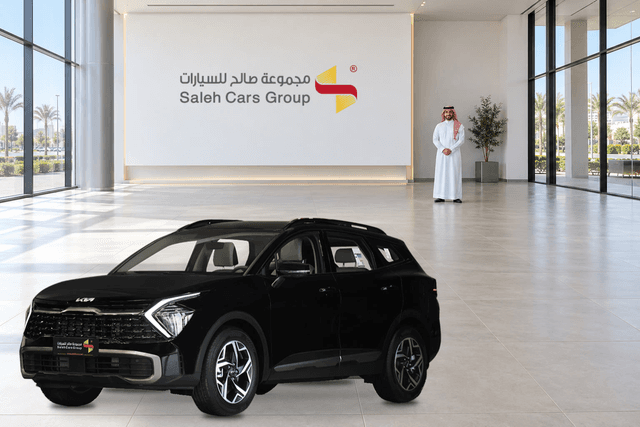
Kia Models 2026: Trims, Specs and Which One Suits You
Table of Contents:
|
Kia models 2026 listed on our site comprise ten models from the 2025 and 2026 model years that cover most buyer needs in Saudi Arabia: sedans for the city and daily driving (PEGAS, K3, K4 and K5), SUVs (Sonet, SELTOS and SPORTAGE), two family models with seven and eight seats (Carens and Carnival), and the Tasman pickup. This guide explains how they differ in body type, engine, power, seats and drive, and suggests which model suits each kind of use; you can browse the full list on the Kia cars page.
Which Kia Models 2026 Are Listed on Our Site?
Kia is a South Korean car brand. The table below summarises the models listed on our site using one representative trim per model; its specifications are those of that listed trim only and vary by trim and model year, so check the car page for the trim you want before deciding. A dash means the value is not given in this guide.
| Model | Type | Engine | Power | Seats | Drive | Transmission |
| PEGAS | Sedan | 1.4 L | 95 HP | 5 | Front | Automatic |
| K3 | Sedan | 1.6 L | 123 HP | 5 | Front | Automatic |
| K4 | Sedan | 1.6 L | 123 HP | 5 | Front | Automatic |
| K5 | Sedan | 2.5 L | 194 HP | 5 | Front | Automatic |
| Sonet | Small SUV | 1.5 L | 115 HP | 5 | Front | CVT |
| SELTOS | Compact SUV | 1.5 L | 115 HP | 5 | Front | CVT |
| SPORTAGE | SUV | - | - | 5 | Front | Automatic |
| Carens | Three-row family car | 1.5 L | 115 HP | 7 | Front | CVT |
| Carnival | Family van | 3.5 L V6 | 268 HP | 8 | Front | Automatic |
| Kia Tasman | Pickup | 2.5 L | 277 HP | 5 | Four-wheel | Automatic |
The representative trims in the table are: PEGAS GL 2026, K3 GL Retail 2026, K4 GL 2026, K5 GLS 2026, Sonet GL Upgraded 2026, SELTOS GL 2026, SPORTAGE GL - LARGE 2026, Carens GL 2026, Carnival GLS 2025 and Tasman EX-TOP 2026. The SPORTAGE engine and power are left to the trim page.
Sedans for the City and Longer Trips: PEGAS, K3, K4 and K5
The Kia PEGAS has the smallest engine among the listed sedans; the GL 2026 trim has a 1.4 L four-cylinder engine with 95 HP and 132 Nm of torque, an automatic transmission and 14 inch wheels, plus Bluetooth and a USB port. It suits buyers who want a simple sedan for daily city driving, and it is listed in GL and GLS trims for the 2025 and 2026 model years.
The Kia K3 is listed in the GL Retail 2026 trim, with a 1.6 L four-cylinder engine producing 123 HP and 151 Nm of torque, an automatic transmission and 15 inch wheels. Its equipment includes an 8 inch touchscreen, Apple CarPlay and Android Auto, a rear camera and rear-seat air vents, making it a practical choice for daily use.
The Kia K4 (often searched as Kia K 4) shares the K3 engine figures in the GL 2026 trim: 1.6 L, 123 HP and 151 Nm, with a stated fuel economy of 15.3 km/L, but it comes with 16 inch wheels, a 12.3 inch touchscreen, a rear-seat occupant alert and a drive-mode selector. Its listed trims are GL, GL Upgraded 1.6, GL Upgraded 2.0L and GLS.
The Kia K5 (sometimes searched as Kia 5 or Kia Five) has the most powerful engine among the listed sedans; the GLS 2026 trim has a 2.5 L four-cylinder engine producing 194 HP and 246 Nm of torque, a fuel economy of 15.7 km/L and 17 inch wheels. Its equipment includes a panoramic roof, ventilated and heated seats, a power driver seat with memory, a 12.3 inch touchscreen and a wireless charger, which makes it suitable for drivers who cover long trips between cities.
SUVs for Smaller Families: Sonet, SELTOS and SPORTAGE
The Kia Sonet is the smallest SUV in the list and is listed in the GL Upgraded 2026 and LX 2025 trims. The listed trim has a 1.5 L four-cylinder engine with 115 HP and 144 Nm of torque, a CVT transmission, a fuel economy of 17.0 km/L, 16 inch wheels, an 8 inch touchscreen and automatic climate control. It suits buyers who want the height of an SUV with easy city driving.
The Kia SELTOS is larger than the Sonet, and the engine figures of its GL 2026 trim match it: 1.5 L, 115 HP and 144 Nm with a CVT transmission, a fuel economy of 17.5 km/L and 16 inch wheels. It adds a wireless charger, Apple CarPlay and Android Auto, smart entry and a rear camera. Its listed trims are EX and GL for the 2025 model year, and GL and GLS for the 2026 model year.
The Kia SPORTAGE is a five-seat SUV listed in GL, GLS 1.6 and L - GLS trims for the 2025 model year, and GL - LARGE and L - GLS trims for the 2026 model year. The GL - LARGE 2026 trim has front-wheel drive, a fuel economy of 14.6 km/L and 17 inch wheels, with smart entry, push-button start, cruise control and rear air conditioning. Engine specifications differ between trims, so check them on the page of the trim you want. It suits small families who want a roomier cabin and air conditioning for rear passengers.
For Large Families: Carens With Seven Seats and Carnival With Eight
The Kia Carens is a three-row family car with seven seats in the GL 2026 trim, with a 1.5 L engine producing 115 HP and 144 Nm of torque, a CVT transmission, a fuel economy of 16.6 km/L and 16 inch wheels. Its equipment includes a folding third row, a sliding second row, USB ports for the second row and a front cup holder with cooling and heating. Its listed trims are GL, GL Camera and GLS for the 2025 model year, and GL and GLS for the 2026 model year.
The Kia Carnival is the largest model in the list with eight seats, and it is listed in GL and GLS trims for the 2025 model year. The GLS trim has a 3.5 L V6 engine producing 268 HP and 331.5 Nm of torque, a fuel economy of 11.2 km/L and 19 inch wheels, with an electric sunroof, ventilated front seats, a power tailgate, rear air conditioning and rear sunshades. It suits large families and long trips between cities.
For the Desert and Work: the Kia Tasman Pickup
The Kia Tasman is the only pickup among the Kia models on our site, and it is listed for the 2026 model year in three trims: EX-TOP, LX GLS 4x4 and LX 4X2. The EX-TOP trim has four-wheel drive and a 2.5 L four-cylinder engine producing 277 HP and 422 Nm of torque, a fuel economy of 10.7 km/L and 18 inch wheels, with forward collision warning, blind-spot information and two 12.3 inch screens. If you head out to the desert or need four-wheel drive, choose a 4x4 trim, while the 4X2 trim suits paved roads and everyday work.
How Do You Compare Kia Trims Before Buying?
Most Kia models on our site carry trims with similar names such as GL and GLS, along with special names such as GL Upgraded, GL - LARGE, GL Camera, GL Retail, EX, LX and EX-TOP. Do not rely on the trim name alone, and compare with these steps:
- Decide on the model year first, because some models are listed for 2025 and 2026 with different trims.
- Compare engine, power and torque on each trim page, as with the K4, which includes the GL Upgraded 1.6 and GL Upgraded 2.0L trims.
- Check the drive system on the Tasman between the LX 4X2 trim and the LX GLS 4x4 trim before choosing.
- Compare the equipment that matters to you: camera, screen size, seat type, rear air conditioning and sunroof.
- Confirm the number of seats if your family is large: the Carens has seven seats and the Carnival eight.
Once you have chosen a trim, the guide to new car buying steps before you sign and take delivery helps you organise the inspection and paperwork.
How Do You Find Kia 2026 Prices and Buy the Right Trim?
The price of each trim is shown on its own car page and changes with the trim and model year, which is why this guide does not state prices. If there are offers on Kia models, you will find them on the current offers page, and to estimate instalments before applying, use the car finance calculator.
You can view the listed models at the Saleh Cars branches and find their locations on the contact and branches page or through the unified number 920022122.
Frequently Asked Questions About Kia Models 2026
What is the price of the Kia PEGAS 2026?
The PEGAS price differs between the GL and GLS trims and by model year; the current price of each trim, with any running offer, is shown on the car page and the offers page, and you can estimate instalments with the finance calculator.
What is the difference between the Kia K4 and the Kia K3?
The listed trims of both have a 1.6 L engine with 123 HP and 151 Nm of torque, but the K4 GL comes with 16 inch wheels and a 12.3 inch touchscreen, while the K3 GL Retail comes with 15 inch wheels and an 8 inch touchscreen.
Is Kia 5 the same as the Kia K5?
Yes, many people write the K5 name as Kia 5 or Kia Five. It is a sedan listed in GL, GL Retail and GLS trims for the 2025 and 2026 model years.
What is the difference between the Kia SPORTAGE 2025 and 2026 on the site?
The listed 2025 trims are GL, GLS 1.6 and L - GLS, and the 2026 trims are GL - LARGE and L - GLS, so compare each trim page to see the differences in engine and equipment.
Which Kia model suits a large family?
The Carens with seven seats in the GL 2026 trim, and the Carnival with eight seats in the GLS 2025 trim with a 3.5 L V6 engine.
Conclusion
Kia models on our site include the city sedans PEGAS, K3 and K4, the more powerful K5 sedan, the Sonet, SELTOS and SPORTAGE SUVs, the Carens and Carnival family models and the Tasman pickup. Decide what you need in seats, drive and equipment first, then compare the trims on the car pages and browse the full list in Kia cars.
How to Test MAF Sensor Readings and Clean the Sensor
Table of Contents:
|
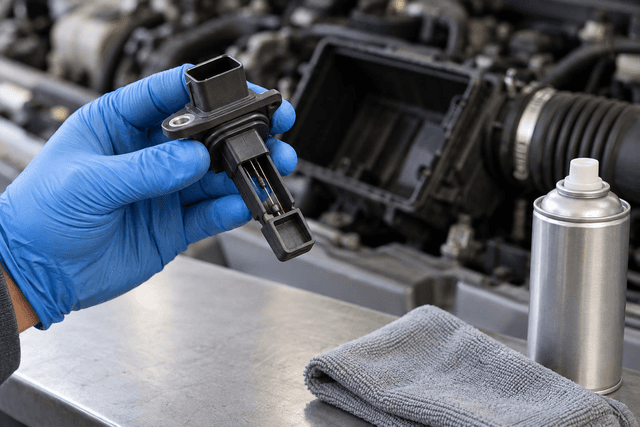
How to test MAF sensor readings correctly starts with ruling out simple causes such as a clogged air filter or air entering after the sensor, then a visual inspection, then reading codes and live data with an OBD-II scan tool and comparing them with what the service data states or the technician expects. If the sensor is dirty, clean it only with a spray made for MAF sensors and without touching the sensing element. Your owner’s manual and a qualified technician remain the reference for your car’s values and procedures.
What Does the MAF Sensor Measure and When Should You Suspect It?
The MAF (mass air flow) sensor usually sits between the air filter box and the throttle body and measures the amount of air entering the engine, so the engine computer can calculate the right amount of fuel. It differs from the manifold absolute pressure (MAP) sensor, which measures pressure inside the manifold, and from the intake air temperature sensor, which may be built into the MAF sensor housing. Some engines rely on a MAP sensor instead of a MAF sensor or alongside it, so first confirm which sensor your car has.
Symptoms may include the engine warning light, an unstable idle, misfiring, weak pulling and higher fuel consumption, and they are shared with many other faults; so see MAF sensor symptoms, causes and prevention for details, and causes of power loss under acceleration if weak pulling is the main symptom.
Which Simple Causes Should You Rule Out Before Testing the Sensor?
Many abnormal readings are caused by what surrounds the sensor rather than the sensor itself. Check the following with the engine off and cold:
- Air filter: a clogged or poorly seated filter may restrict airflow or let dust reach the sensor. Review the signs your car needs a new air filter.
- Air entering after the sensor: the sensor does not measure this air, so the air-fuel mixture may be upset and symptoms may resemble a sensor fault.
- Intake hose and clamps: look for a crack, a loose hose or a slack clamp between the sensor and the throttle body.
- Sensor connector: make sure it is firmly seated, its pins are free of corrosion and moisture, and its wires are intact.
How to Test MAF Sensor Readings Step by Step
Order the tests from the simplest to the most precise, and do not move on before finishing the previous step:
- Visual inspection: look for dirt, oil traces, damage or a foreign object in the air path, without touching the delicate sensing element with your fingers or any tool.
- Reading codes and live data with an OBD-II scan tool, usually the most important step.
- Unplug test: an indicative test that a technician performs with care, and it should not be relied on alone.
- Multimeter check: an electrical test that differs from car to car and is done according to the service manual.
How Do You Read Fault Codes and Live Data With a Scan Tool?
Connect the scan tool to the diagnostic port under the dashboard, and note the stored and pending codes and the freeze frame data before clearing anything. Codes may point to the sensor circuit, a reading out of range, or a lean or rich mixture; for other reasons, see the common causes of the engine warning light.
Then open the live data and watch the sensor reading:
- At idle: once the engine reaches operating temperature, compare the reading with what the service data states or the technician expects for your engine.
- When raising the revs gradually: the reading is expected to rise smoothly, while jumps, dropouts or a flat reading may point to a problem with the sensor or its wiring.
- Fuel trims: the technician reads them alongside the sensor reading, as their pattern may help distinguish unmetered air from an inaccurate reading.
Do not rely on figures published for other cars, because values vary with the engine and its design.
Is the Unplug Test Reliable, and When Is a Multimeter Used?
In this test the technician unplugs the sensor connector with the engine off and then starts it to see whether its behaviour changes, since the computer usually falls back on estimated values without the signal. If performance clearly improves, this may suggest an inaccurate reading, but the result is indicative, not a final verdict.
Some cars enter limp mode, run worse or show no change at all, and a fault code is stored because of the disconnection; so the test stays with the technician as part of a broader diagnosis, and the car should not be driven with the sensor unplugged.
A multimeter is used to check the supply, ground and signal, but connector pins and the measuring method differ between cars, and some sensors send a frequency signal that a standard measurement cannot read; so it follows the wiring diagram in the service manual or is done by a qualified technician.
How Do You Clean a MAF Sensor Correctly?
Cleaning helps when the sensor is dirty but sound; it does not fix an electrical fault. Follow the cleaner’s label; in general:
- Switch the engine off, let it cool, and work in a well-ventilated place away from flames, as cleaning sprays are usually flammable.
- Disconnect the sensor connector, then remove the sensor carefully with the right tool, as some sensors use special screws.
- Spray the sensing element with a cleaner made for MAF sensors only, from the distance recommended on the can, without touching it or wiping it with a cloth, brush or cotton bud.
- Let it air-dry completely, and never install it while wet.
- Refit the sensor and connector, tighten the intake hose and clamps, then start the engine and watch its behaviour and the engine warning light.
Which Mistakes Damage the MAF Sensor During Cleaning?
Avoid the following, because it may damage the sensor or hide the fault instead of fixing it:
- Using brake cleaner, carburettor cleaner or general solvents, which may leave residue or damage plastic and the sensing element.
- Blowing compressed air or spraying water, which may damage the delicate element or let moisture reach the circuit.
- Touching or wiping the sensing element, or cleaning while the engine is running or hot.
- Over-oiling washable air filters, because excess oil may travel with the air and contaminate the sensor; follow the filter instructions or use the filter specified in the manual.
- Clearing codes straight after cleaning before confirming the cause has been addressed.
Once the real cause has been addressed, the codes can be cleared and the repair verified with normal driving and another look at the live data; the computer may need some driving to relearn its fuel trims. If the code returns, the problem is not solved yet.
When Is Cleaning Enough and When Does the MAF Sensor Need Replacing?
Cleaning is often enough if the reading returns to a normal pattern and the symptoms disappear. Replacement is considered when:
- The sensing element is broken, the sensor body is cracked or its terminals are damaged.
- The reading stays abnormal after cleaning and after ruling out air leaks and wiring or connector problems.
- The technician confirms with a scan tool or electrical measurement that the fault is inside the sensor itself.
When replacing it, choose a part matching the part number or the vehicle identification number, as a non-matching sensor may give wrong readings. If high fuel consumption continues after the repair, review the causes of higher fuel consumption, as there are many other possible reasons.
What Do the Test Results Mean and What Is the Next Step?
The table summarises common findings; all of them are possibilities that need confirmation:
| Symptom or finding | What it may mean | Next step |
| Clogged or poorly seated air filter | Restricted airflow or dust reaching the sensor | Replace the filter as per the manual, then retest |
| Cracked hose or slack clamp after the sensor | Air entering that the sensor does not measure | Fix the leak before judging the sensor |
| Dirt or oil traces on the sensor | Inaccurate reading | Clean it with the dedicated spray and find the oil source |
| Reading does not rise smoothly with revs | Dirty or failed sensor or a wiring problem | Clean it, then have the wiring and reading checked by a technician |
| Code related to the sensor circuit | Fault in the connector, wiring or sensor | Inspect the connector and request electrical testing per the service manual |
| Code returns after cleaning and repairs | Fault inside the sensor or an undetected cause | Diagnosis by a qualified technician; replacement may be needed |
Frequently Asked Questions About Testing and Cleaning the MAF Sensor
How do I know if the MAF sensor is bad?
Symptoms alone are not enough because they resemble other faults. Confirmation comes from reading codes and live data after ruling out the air filter, air leaks and the connector, preferably with a qualified technician.
What is the best spray for cleaning a MAF sensor?
A product whose label clearly states that it is made for MAF sensors, leaves no residue once dry and is safe on plastic parts. Read the label and follow its instructions.
Can I clean the MAF sensor with brake or carburettor cleaner?
This is not recommended, because these cleaners are harsher than needed and may leave residue or damage the sensing element.
Should I clear the fault code after cleaning the MAF sensor?
Clear it only after the cause has been addressed, then verify by driving and checking the live data. Clearing the code does not fix the fault, and if it returns, have it diagnosed.
Can I drive the car with a faulty MAF sensor?
It may remain drivable, with performance and fuel consumption affected. But if the engine warning light flashes, the engine clearly loses power or a red warning appears, avoid driving and call for help.
Conclusion
The right way to test a MAF sensor starts with ruling out the air filter, air leaks and the connector, then a visual inspection, then reading codes and live data. Clean the sensor with a dedicated spray without touching the sensing element, do not clear codes before the cause is addressed, and leave electrical tests and the replacement decision to a qualified technician.
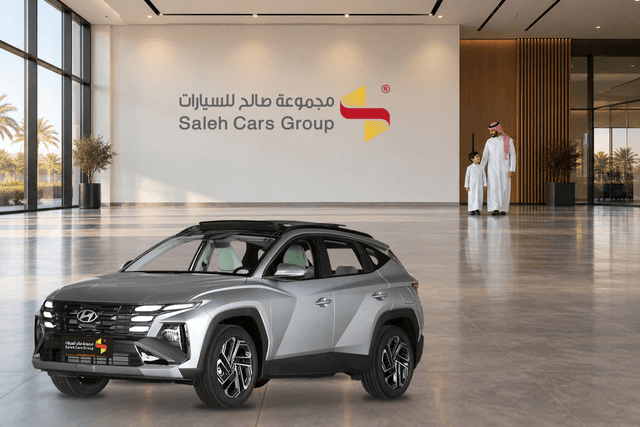
Hyundai Models 2026: Trims, Specs and Which Suits You
Table of Contents:
|
The Hyundai models 2026 listed on our site are twelve models, starting with economical sedans, moving through crossovers and compact SUVs, and reaching seven-seat SUVs and MPVs and the nine-seat Staria van. This guide compares their engines, power, seats and drive type, and explains which suits each kind of buyer; you can browse every trim on the Hyundai cars page. Hyundai is a South Korean car brand.
Hyundai Models 2026 Table on Our Site
The table summarises the specs of one representative trim of each model as shown on its page on our site. These specs belong to that trim and vary by trim and model year, so check the car page of the trim you want before deciding.
| Model | Type | Engine | Power | Seats | Drive |
| ACCENT | Sedan | 1.5 L, 4 cylinders | 115 HP | 5 | Front-wheel |
| ELANTRA | Sedan | 1.5 L, 4 cylinders | 113 HP | 5 | Front-wheel |
| SONATA | Sedan | 2.5 L, 4 cylinders | 194 HP | 5 | Front-wheel |
| AZERA | Large sedan | 3.5 L V6 | 300 HP | 5 | Front-wheel |
| Venue | Small crossover | 1.0 L turbo, 3 cylinders | 120 HP | 5 | Front-wheel |
| KONA | Compact crossover | 2.0 L | 149 HP | 5 | Front-wheel |
| CRETA | Compact SUV | 1.5 L, 4 cylinders | 115 HP | 5 | Front-wheel |
| TUCSON | Family SUV | 2.0 L, 4 cylinders | 156 HP | 5 | Front-wheel |
| Creta Grand | Family SUV | 2.0 L | 159 HP | 7 | Front-wheel |
| Stargazer | Family MPV | 1.5 L, 4 cylinders | 115 HP | 7 | Front-wheel |
| SANTAFE | Family SUV | 2.5 L turbo, 4 cylinders | 290 HP | 7 | Full-time four-wheel |
| STARIA | Van | 3.5 L, 6 cylinders | 272 HP | 9 | Front-wheel |
Most models are listed in 2025 and 2026 versions, while the Azera and Stargazer appear as 2025, the Venue as 2024 and 2025, the Kona from 2024 to 2026, and the SANTAFE as 2024.
Hyundai Sedans for Daily Driving and Highways
The Hyundai Accent is a small sedan for everyday use. The GL Fleet 2026 trim has a 1.5 L engine with 115 HP and an automatic transmission, with fuel economy of 18.1 km/L and 15 inch wheels. Its trims on the site are GL Smart, GL Comfort and GL Fleet.
The Hyundai Elantra is a compact sedan. The Smart 1.5L 2026 trim has 113 HP, 144 Nm of torque and a CVT, with fuel economy of 18.1 km/L, rear air conditioning and a rear camera. It is also listed with a 2.0 L engine in Smart and Smart Plus trims.
The Hyundai Sonata is a midsize sedan for buyers who want more space and power. The Smart 2026 trim has a 2.5 L engine with 194 HP, fuel economy of 15.1 km/L and 18 inch wheels, plus a panoramic roof and smart entry. Its trims are Smart, Comfort and Fleet, including black colour options.
The Hyundai Azera is a large sedan suited to drivers who cover long highway distances. The Calligraphy 2025 trim has a 3.5 L V6 with 300 HP and 366 Nm of torque, normal and sport drive modes, ventilated and heated seats, navigation, surround cameras and a head-up display. Its trims are Classic, Premium, Exclusive and Calligraphy.
Crossovers and Compact SUVs for the City and Small Families
The Hyundai Venue is a small crossover suited to city traffic. The GL Smart 2025 trim has a 1.0 L turbo three-cylinder engine with 120 HP, 16 inch wheels and rear air conditioning. For details, read about Hyundai Venue 2025 features for daily driving.
The Hyundai Kona is a compact crossover. The GL Smart 2026 trim has a 2.0 L engine with 149 HP and a CVT, with fuel economy of 16.6 km/L and 18 inch wheels. Its listed trims include GL Smart Hybrid 2024 and Premium LTD.
The Hyundai Creta is a five-seat compact SUV. The Comfort 2026 trim has a 1.5 L engine with 115 HP and a CVT, with fuel economy of 17.8 km/L, a panoramic roof and a cooled storage box. Its trims are Smart, Comfort and GL Alpha Edition.
The Hyundai Tucson is a five-seat family SUV. The Comfort 2.0L 2026 trim has 156 HP, fuel economy of 13.5 km/L and 19 inch wheels, with a panoramic roof and ventilated seats. The list also includes a GL Smart HTRAC trim, so if you need four-wheel drive, confirm the drive type on that trim page.
Hyundai for Large Families: 7 Seats or More
The Hyundai Creta Grand is a seven-seat SUV. The GLS Comfort 2026 trim has a 2.0 L engine with 159 HP and fuel economy of 14.7 km/L, plus a panoramic roof and rear side sunshades. It is also listed in a Smart 2.0L trim.
The Hyundai Stargazer is a seven-seat family MPV. The Smart 2025 trim has a 1.5 L engine with 115 HP and fuel economy of 17.8 km/L, with second-row air vents and a wireless charger. Its trims are BASE and Smart.
The Hyundai SANTAFE (Santa Fe) is a seven-seat SUV. The Black GLS Calligraphy 2024 trim has a 2.5 L turbo engine with 290 HP, full-time four-wheel drive, normal and sport drive modes, 21 inch wheels, ventilated and heated Nappa leather seats and surround cameras. Full-time four-wheel drive helps on long trips and unpaved roads. Its trims are GL - BSE, GL Smart, GL Smart Turbo and Black GLS Calligraphy.
The Hyundai Staria is a nine-seat van for large families and group trips. The Gasoline 2026 trim has a 3.5 L six-cylinder engine with 272 HP and fuel economy of 10.8 km/L, and it also appears in a Diesel 2025 trim.
How to Compare Hyundai Trims Before Buying?
- Decide on passenger numbers first: 5 seats in the sedans and crossovers, 7 in the Creta Grand, Stargazer and SANTAFE, and 9 in the Staria.
- Understand trim names: most models repeat the names Fleet, Smart and Comfort, while the Azera uses Classic, Premium, Exclusive and Calligraphy. Do not judge by the name alone; compare the equipment list on each trim page.
- Compare engines within the same model: the Elantra is listed with 1.5 L and 2.0 L engines, and the Tucson with 1.6 L and 2.0 L engines.
- Check the drive type, camera, panoramic roof and ventilated seats, because they differ from one trim to another.
- Note the model year, since some models are listed in 2024 or 2025 versions alongside 2026.
For the general steps before signing and delivery, see the step-by-step new car buying guide.
Hyundai 2026 Prices, Offers and Finance
This guide does not list prices because they change by trim and over time; the current price of each trim is shown on its car page, and you can find current offers on the current car offers page. To estimate instalments before visiting the showroom, use the car finance calculator.
The listed models can be viewed at Saleh Cars Group branches, and you can find addresses and contact options on the contact and branches page or via the unified number 920022122.
Frequently Asked Questions About Hyundai Models
Which Hyundai models 2026 are listed on your site?
Accent, Elantra, Sonata and Azera; Venue, Kona, Creta and Tucson; and Creta Grand, Stargazer, SANTAFE and Staria, in versions from 2024 to 2026 depending on the model.
What is the price of the Hyundai Creta 2026?
The price varies by trim, so check the page of the trim you want for its current price, the offers page for current offers, and the finance calculator to estimate instalments.
What is the difference between the Hyundai Creta and Creta Grand?
The Creta has five seats, and its Comfort 2026 trim has a 1.5 L engine with 115 HP. The Creta Grand has seven seats, and its GLS Comfort 2026 trim has a 2.0 L engine with 159 HP.
What are the Hyundai Kona 2026 specs?
The GL Smart 2026 trim has a 2.0 L engine with 149 HP, a CVT, fuel economy of 16.6 km/L and 18 inch wheels. Specs differ between trims, so check each trim page.
Which Hyundai model suits a large family?
The Staria seats nine for the most passengers, followed by the SANTAFE, Creta Grand and Stargazer with seven seats. Among them, the SANTAFE is the only one with full-time four-wheel drive in the listed trim.
Conclusion
For daily driving start with the Accent and Elantra, and for more space and power the Sonata and Azera. For the city with a higher seating position there are the Venue, Kona, Creta and Tucson, and for large families the Creta Grand, Stargazer, SANTAFE and Staria. Compare trims on the car pages, and browse the full list of Hyundai cars.

MG Models 2025 and 2026: Trims, Specs and Buying Guide
Table of Contents:
|
The MG models listed on our site that this guide covers are five: a small hatchback, the MG 3; three sedans, the MG 5, MG GT and MG 7; and one crossover, the MG ZS. This guide explains how they differ in size, engine and equipment, which buyer each model suits, and how to compare trims before buying, and you can browse every car listed for the brand on the MG cars page of our site. MG is a car brand of British origin that is owned today by a Chinese group.
MG Models on Our Site and Their Specs
The table below summarises one listed trim of each model. The specs are taken from the car pages on our site; they belong to the trim shown and vary by trim and model year, so open the car page to check the trim you are interested in before you decide.
| Listed trim | Type | Engine | Power | Torque | Transmission | Drive | Seats |
| MG 3 STD 2025 | Hatchback | 1.5 L, 4 cylinders | 109 HP | 140 Nm | CVT | Front | 5 |
| MG 5 STD 2025 | Sedan | 1.5 L, 4 cylinders | 118 HP | 150 Nm | CVT | Front | 5 |
| MG GT COM CVT 2026 | Sedan | 1.5 L, 4 cylinders | 118 HP | 150 Nm | CVT | Front | 5 |
| MG 7 STD 2025 | Sedan | 1.5 L turbo, 4 cylinders | 185 HP | 300 Nm | Automatic | Front | 5 |
| MG ZS LUX 2025 | Crossover | 1.5 L, 4 cylinders | 112 HP | 150 Nm | CVT | Front | 5 |
The table shows that all the listed trims use a 1.5 L four-cylinder petrol engine with front-wheel drive and seat five. The biggest differences come from the turbocharger in the MG 7, from the body style, whether hatchback, sedan or crossover, and from the level of interior equipment in each trim.
For the City and Daily Use: MG 3, MG 5 and MG GT
This group suits drivers who spend most of their time in the city and want a car that is easy to park and use every day, whether for commuting or short family errands.
The MG 3 is the smallest of the models in this guide, with a hatchback body that makes moving and parking in busy streets easier. The listed STD 2025 trim has 109 HP and 140 Nm of torque with a CVT, fuel economy stated on its page as 17.8 km/L, and 15 inch wheels. Its equipment includes fabric seats, electronic air conditioning, a 10.25 central touchscreen, a 7 instrument display and a rear camera, along with iPhone and Android app projection and Bluetooth.
The MG 5 is a practical sedan for a small family, listed for 2025 in two trims: Standard and Standard New Shape. The trim in the table has 118 HP, 150 Nm of torque, a CVT and 16 inch wheels, with fabric seats, electronic air conditioning and a 10 central touchscreen with iPhone and Android apps and Bluetooth. Families will note that the listing mentions an ISOFIX child seat mounting system.
The MG GT is a sedan with the same 1.5 L engine in the listed trim, producing 118 HP and 150 Nm of torque on 16 inch wheels. It stands out for its range of trims across 2025 and 2026, including a CVT version and a DCT version of the 2026 Comfort (COM) trim. The listed trim comes with push-button start, a leather steering wheel, 4 speakers, a 10.1 touchscreen and a rear camera, along with iPhone and Android apps and Bluetooth.
For Long Trips and More Power: MG 7
The MG 7 is the most powerful of the trims shown in the table: the engine of the STD 2025 trim is a 1.5 L turbo producing 185 HP and 300 Nm of torque with an automatic transmission, and its page states fuel economy of 19.3 km/L. This higher torque helps when overtaking on highways and when travelling between cities fully loaded.
The MG 7 suits those who spend long hours on the road with their family, as the listing mentions air conditioning vents for the second row, leather seats, a leather-wrapped steering wheel, a smart entry system and push-button start. The cabin has a 10.25 inch central touchscreen and a 12.3 inch digital instrument display with Apple CarPlay and Android Auto, and it rides on 18 inch wheels. It is listed in two trims for 2025: STD and DEL.
A Crossover With a Higher Driving Position: MG ZS
The MG ZS is the only crossover among the models covered in this guide, and it suits those who prefer sitting higher than in a sedan while keeping a size that works in the city. The listed LUX 2025 trim has 112 HP, 150 Nm of torque and a CVT, fuel economy stated on its page as 17.2 km/L, and 17 inch wheels.
This trim carries equipment that families notice, including a panoramic sunroof, a surround-view camera, synthetic leather seats and a 10 central touchscreen, plus auto hold with an electronic parking brake and push-button start and stop. The MG ZS is listed for 2025 in three trims: NEW STD, LUX and Luxury New Shape. If rough desert trips are a priority for you, note that the listed trim is front-wheel drive, so it is better suited to paved roads.
How Do You Compare MG Trims Before Buying?
A single model may come in more than one trim, and trims differ in transmission, equipment and exterior styling. These are the trims listed on our site for each model:
- MG 3: STD 2025.
- MG 5: STD and Standard New Shape 2025.
- MG GT: Lux and COM 2025, and COM CVT and COM DCT 2026.
- MG 7: STD and DEL 2025.
- MG ZS: NEW STD, LUX and Luxury New Shape 2025.
When comparing two trims of the same model, focus on these points:
- Transmission: a CVT feels smooth in traffic, a DCT is a dual-clutch gearbox, and the MG 7 uses a conventional automatic; try each type on a test drive.
- Model year and styling: compare the new shape trim with the earlier trim of the same model, and ask for photos of the exact trim you plan to buy.
- Seats and air conditioning: fabric, synthetic leather or leather, and rear air vents if you often carry passengers in the back.
- Camera and screens: a rear camera or a surround-view camera, and the size of the central screen and instrument display.
- Wheel size: from 15 inch on the MG 3 to 18 inch on the MG 7 across the listed trims.
Before you sign for any trim, read the new car buying guide with checks before delivery to know what to verify in the contract and when you take the car.
Buying MG Models: Price, Offers and Finance
The current price of each trim is shown on its own car page, which is why this guide gives no figures, as they change by trim and over time. To see what is currently offered on cars, browse the current offers page, and if you are thinking of buying in instalments, use the car finance calculator to estimate the monthly instalment before you apply.
The listed MG models can be viewed at the Saleh Cars Group branches, or you can ask about any trim on the unified number 920022122. For branch locations, opening hours and other ways to get in touch, open the contact and branches page.
Frequently Asked Questions About MG Models
Which MG models are listed on your site?
This guide covers five listed models: the MG 3 hatchback, the MG 5, MG GT and MG 7 sedans, and the MG ZS crossover, with model years 2025 and 2026 depending on the model and trim.
How much power does the MG 7 STD 2025 have?
According to its car page, the 1.5 L turbo engine produces 185 HP and 300 Nm of torque with an automatic transmission. Figures may differ on the DEL trim, so check that trim’s own page.
What is the difference between the MG GT COM CVT and COM DCT?
The main difference is the transmission: a CVT is a continuously variable transmission and a DCT is a dual-clutch transmission. Both trims are listed for 2026, and it is best to try both and compare their pages before choosing.
What is the price of the MG 2026?
The price differs by model and trim; the current price of each trim is on its car page, you can see what is currently offered on the offers page, and you can estimate the instalment with the finance calculator.
Is the MG ZS 2025 suitable for a family?
It seats five, and the listed LUX trim includes a panoramic sunroof, a surround-view camera and synthetic leather seats, which are useful for family use in the city and on medium-length trips.
Conclusion
The MG models listed with us cover different needs: the MG 3 for the city, the MG 5 and MG GT for daily use and small families, the MG 7 for those who want more power and longer trips, and the MG ZS for those who prefer a crossover. Compare trims on the car pages, and to see every option return to the MG cars page.

Suzuki Models 2026: Guide to Specs, Trims and Uses
Table of Contents:
|
If you are looking for Suzuki models 2026 and want to know which one suits you, this guide covers the models listed on our Suzuki cars page: DZIRE, Baleno, Swift, Fronx, Ertiga, Jimny and EECO, with model years 2025, 2026 and 2027 depending on the model and trim. You will find a table comparing engine, power, seats and drive, then the models grouped by use: a sedan and hatchbacks for the city, a crossover and a family car for households, a four-wheel-drive car for the desert, and a van for work, followed by practical steps for comparing trims before buying. The specifications given here are those of the listed trim of each model and vary by trim and model year, so check the car page for the exact details of the trim you are interested in.
Suzuki Models 2026 Listed on Our Site: Overview Table
Suzuki is a Japanese car brand, and every engine in the trims listed on our site runs on petrol with a displacement of 1.2 or 1.5 L. The table below summarises the specifications of one trim of each model as given in the car listings on our site; values may differ in other trims or model years. A dash in the table means the value is not stated or needs to be confirmed on the car page.
| Model | Trim in table | Type | Engine | Power | Seats | Drive |
| DZIRE | GL 2027 | Sedan | 1.2 L, 3 cylinders | 80 HP | 5 | Front |
| BALENO | GL 2026 | Hatchback | 1.5 L, 4 cylinders | 103 HP | 5 | Front |
| Swift | GLX 2025 | Hatchback | 1.2 L, 3 cylinders | 80 HP | 5 | Front |
| Fronx | GLX 2026 | Compact crossover | 1.5 L, 4 cylinders | 101 HP | 5 | Front |
| Ertiga | GLX 2025 | Family MPV | 1.5 L, 4 cylinders | 103 HP | 7 | Front |
| Jimny | GLX 2026 | Compact four-wheel drive | 1.5 L, 4 cylinders | 101 HP | - | Four-wheel |
| EECO | STD 2026 | Van | 1.2 L, 4 cylinders | 79 HP | 2 | Rear |
The transmission is automatic in the listed DZIRE, Baleno, Fronx, Ertiga and Jimny trims, a CVT in the Swift and manual in the EECO. Fuel economy as stated in the listings is 23.8 km/L for the DZIRE, 19 km/L for the Baleno, 23.2 km/L for the Swift, 21.1 km/L for the Fronx, 17.7 km/L for the Ertiga, 15.7 km/L for the Jimny and 19.8 km/L for the EECO. Remember that real consumption depends on driving style, traffic and air conditioning use.
For the City and Daily Use: DZIRE, Baleno and Swift
The Suzuki DZIRE is a five-seat sedan, and its listed GL 2027 trim has a 1.2 L three-cylinder engine without a turbo, producing 80 HP and 111 Nm, with an automatic transmission, front-wheel drive and 15 inch wheels. The listing mentions equipment such as a USB port, Bluetooth, rear air conditioning vents, electric side mirrors and velvet seats. It may suit someone who wants a sedan with a separate boot for daily commuting and work. The DZIRE appears on our site in GL, GLX and GLX New Design trims for 2025 and 2027.
The Suzuki BALENO is a five-seat hatchback, and its listed GL 2026 trim has a 1.5 L four-cylinder engine producing 103 HP, with an automatic transmission, front-wheel drive, 15 inch wheels and a 37 L fuel tank. The listing mentions a 7 inch display, automatic front air conditioning, a rear camera, front and rear power windows and steering wheel controls. The Baleno is listed in the GL trim for 2025 and 2026 and the GLX trim for 2025, so if you are looking for the Suzuki Baleno 2026, start with the GL trim page.
The Suzuki Swift is a five-seat hatchback, and its listed GLX 2025 trim has a 1.2 L three-cylinder engine producing 80 HP, with a CVT, front-wheel drive and a 37 L fuel tank. The listing mentions adaptive cruise control, blind spot information, a smart entry system, a rear camera, a 9 inch screen and front and rear power windows. It may suit someone who spends most of their time in city traffic and wants driver assistance in a small car.
For Families and Errands: Fronx and Ertiga
The Suzuki Fronx is a five-seat compact crossover, and its listed GLX 2026 trim has a 1.5 L four-cylinder engine producing 101 HP, with an automatic transmission, front-wheel drive, 16 inch wheels and a 37 L fuel tank. Its listed equipment includes heated seats, a smart entry system, a surround camera, a 9 inch screen, a head-up display on a transparent glass, folding rear seats and two USB charging ports. The Fronx appears in GL and GLX trims for 2026. It may suit a small family that wants a crossover body with comfort equipment for daily errands.
The Suzuki Ertiga is a seven-seat family MPV, and it is the only seven-seat model among the Suzuki models listed on our site. Its listed GLX 2025 trim has a 1.5 L four-cylinder engine producing 103 HP, with an automatic transmission, front-wheel drive, 15 inch wheels and a 45 L fuel tank. The listing mentions a 7 inch screen, front and rear power windows, steering wheel controls, remote central door locking and front and rear speakers. It may suit a large family that needs a third row of seats for trips in the city and between cities.
For the Desert and Rough Roads: Jimny
The Suzuki Jimny is a compact four-wheel-drive car, and its listed GLX 2026 trim has a 1.5 L four-cylinder engine producing 101 HP and 130 Nm, with an automatic transmission, a four-wheel-drive system, 15 inch wheels and a 40 L fuel tank. The listing mentions front airbags for the driver and passenger, side airbags, a smart entry system, a rear camera, a leather steering wheel and fabric seats.
The Jimny may suit someone who heads out to the desert and dirt tracks and wants a four-wheel-drive system in a small car, bearing in mind that its stated fuel economy is 15.7 km/L. We have not given the number of seats in the table, so check the car page to confirm it before deciding, especially if your family is large.
For Work and Goods Transport: EECO
The Suzuki EECO is a small two-seat work van, and its listed STD 2026 trim has a 1.2 L four-cylinder engine without a turbo, producing 79 HP and 104 Nm, with a manual transmission, rear-wheel drive and a 32 L fuel tank. The listing mentions sliding side doors, a maximum payload of 615 kg and manually adjustable exterior mirrors. It may suit shop owners and small businesses that move goods and orders within the city, rather than someone looking for a family car.
How Do You Compare Suzuki Trims Before Buying?
Suzuki models on our site use short trim names, mainly GL and GLX, with a Standard (STD) trim for the EECO and a GLX New Design trim for the DZIRE alongside GL and GLX. Do not assume that the same name means the same equipment in every model or every model year; compare as follows:
- Open the page of each trim separately and start with the model year, because some models are listed in more than one year, such as the DZIRE for 2025 and 2027 and the Baleno for 2025 and 2026.
- Compare the transmission and drive: most listed trims are automatic with front-wheel drive, while the Jimny has four-wheel drive, the EECO is manual with rear-wheel drive and the Swift has a CVT.
- Compare the equipment you use every day: the camera type, rear or surround, the screen size, the smart entry system and driver assistance such as adaptive cruise control.
- Match the number of seats to your family size and use: seven seats in the Ertiga, five in the DZIRE, Baleno, Swift and Fronx, and two in the EECO.
- Ask about the difference between GL and GLX in the same model, such as the Baleno GL and Baleno GLX or the Fronx GL and Fronx GLX, and do not rely on the trim name alone.
To review the full buying process from viewing to handover, read the new car buying guide with steps before signing and handover.
Suzuki 2026 Prices, Offers and Instalments
We do not give prices in this guide because they differ by model, trim and model year and change from time to time. The current price of each trim is shown on its car page, and current offers are on the current car offers page. If you are considering instalments, use the car instalment calculator to estimate the instalment based on the down payment and term that suit you, then confirm the details with the finance provider before signing.
You can view the listed Suzuki models at the Saleh Cars Group branches, and you will find addresses and contact options on the contact and branches page or through the unified number 920022122.
Frequently Asked Questions About Suzuki Models
Which Suzuki models are listed on our site?
The DZIRE, Baleno, Swift, Fronx, Ertiga, Jimny and EECO, with model years 2025, 2026 and 2027 depending on the model and trim. You will find the updated list on the brand page on our site.
What is the difference between the Suzuki Baleno GL and GLX?
The Baleno is listed in the GL trim for 2025 and 2026 and the GLX trim for 2025. The specifications in this guide are for the GL 2026 trim; compare the GLX equipment on its own trim page before deciding, especially the screen, camera and air conditioning.
What is the fuel economy of the Suzuki DZIRE 2027?
The GL 2027 trim listing states a fuel economy of 23.8 km/L with a 1.2 L engine and an automatic transmission. Real consumption depends on driving style, traffic and air conditioning use.
Is the Suzuki Jimny 2026 four-wheel drive?
Yes, the listed GLX 2026 trim is listed with a four-wheel-drive system, a 1.5 L engine and an automatic transmission. Handling sand and rough roads still depends on the driver’s experience and trip preparation.
What are Suzuki 2026 prices?
The price differs by model, trim and model year, and you will find it up to date on each car page, with current offers on the offers page. To estimate instalments, use the instalment calculator mentioned above.
Conclusion
The Suzuki models on our site include a sedan and small hatchbacks for the city, namely the DZIRE, Baleno and Swift, a compact crossover, the Fronx, a seven-seat family car, the Ertiga, a four-wheel-drive car, the Jimny, and a work van, the EECO. Decide on your use first, then compare trims and model years on the car pages, and browse all models on the Suzuki cars page.