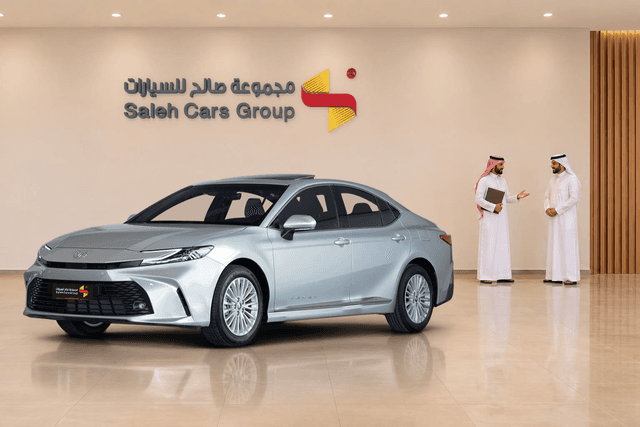
Toyota Models 2025 and 2026: Sedans, SUVs and Family Cars
Table of Contents:
|
The Toyota models 2025 and 2026 listed on our site are eight models in three groups: sedans (Yaris, Corolla and Camry), SUVs and crossovers (Urban Cruiser, RAV4 and Fortuner), and family and passenger vehicles (Veloz and Hiace). We cover the specs of the listed trim of each, who it suits and how to compare trims before buying. For all the brand’s listed cars on one page, browse Toyota cars.
Which Toyota Models 2025 and 2026 Are Listed on Our Site?
Eight models from Toyota are listed on our site: the Yaris, Corolla, Camry, Urban Cruiser, RAV4, Fortuner, Veloz and Hiace, with model years 2025 and 2026 depending on the model. Toyota is a Japanese car manufacturer headquartered in Toyota City, Aichi, Japan. This list reflects what is listed on salehcars.com as of late November 2026; the specs in the table belong to the trim named in it and vary by trim and model year, and the car page shows the exact trim and its current price.
| Model | Type | Listed years | Trim in table | Engine and fuel | Power (HP) | Seats | Drive | Economy (km/L) |
| Yaris | Small sedan | 2026 | Y 2026 | 1.3 L petrol | 97 | 5 | Front-wheel | 22.4 |
| Corolla | Sedan | 2025 and 2026 | XLI 2.0L 2026 | 2 L petrol | 168 | 5 | Front-wheel | 20.3 |
| Camry | Sedan | 2025 and 2026 | LE 2026 | 2.5 L petrol | 201 | 5 | Front-wheel | 17.2 |
| Urban Cruiser | Compact crossover | 2025 and 2026 | GL 2026 | 1.5 L petrol | 101 | 5 | Front-wheel | 19.8 |
| RAV4 | SUV | 2025 and 2026 | LE 2026 | 2 L petrol | 170 | 5 | Front-wheel | 17.0 |
| Fortuner | SUV | 2025 and 2026 | GX2 4WD 2026 | 2.7 L petrol | - | 7 | Four-wheel | 10.3 |
| Veloz | Family (MPV) | 2025 and 2026 | GLX 2026 | 1.5 L petrol | 104 | 7 | Front-wheel | 18.6 |
| Hiace | Passenger van | 2026 | GL 2026 | 2.8 L diesel | 161 | 13 | Rear-wheel | - |
A dash (-) means the listing does not give the value. Every trim in the table runs on petrol except the Hiace (diesel), all have four cylinders, and the transmission (gearbox) type is given with each model below.
Which Toyota Sedan Suits You: Yaris, Corolla or Camry?
The Yaris, Corolla and Camry are the Toyota sedans listed on our site, and they range from the lowest fuel use to the highest power, all with five seats and front-wheel drive.
The Yaris is a small sedan, and its Y 2026 trim has a 1.3 L engine producing 97 HP and 122 Nm, an automatic gearbox and fuel economy of 22.4 km/L, the highest among the trims in the table. Its listing names second-row air vents, and Apple CarPlay and Android Auto. Its listed trims are Y, Y-PLUS and Y LIMITED, and it suits commuting and errands in the city. Details are on the Toyota YARIS page.
The Corolla is a sedan, and its XLI 2.0L 2026 trim has a 2 L engine producing 168 HP and 200 Nm, a CVT gearbox and fuel economy of 20.3 km/L. Its listing names rear air vents and a 7 inch touchscreen with Apple CarPlay. Its listed trims are XLI 2.0L for 2025 and 2026, XLI EXECUTIVE 2.0L for 2025 and XLI 1.5 for 2026, and it suits a small family and the road. See the Toyota COROLLA page.
The Camry has the biggest engine among the listed sedans, and its LE 2026 trim has a 2.5 L engine producing 201 HP and 240 Nm, an automatic gearbox and fuel economy of 17.2 km/L. Its listing names a power sunroof, smart entry and an 8 inch touchscreen. Its listed trims are E, E in black and LE for 2025, and LE for 2026, and it suits buyers who travel often on highways. Details are on the Toyota CAMRY page.
How Do the Toyota SUVs Differ: Urban Cruiser, RAV4 and Fortuner?
The Urban Cruiser, RAV4 and Fortuner are the Toyota SUVs and crossovers listed on our site, and they differ in engine size, seat count and drive system: the first is compact for the city, the second has five seats, and the third has seven seats and four-wheel drive.
The Urban Cruiser is a compact crossover, and its GL 2026 trim has a 1.5 L engine producing 101 HP and 135 Nm, an automatic gearbox, 17 inch wheels and fuel economy of 19.8 km/L. Its listing names smart entry with push-button start and second-row air vents. Its listed trims are GL and GLX for 2025 and 2026, and it suits buyers who want the height of a crossover with fuel economy close to the Corolla. Details are on the Toyota URBAN CRUISER page.
The RAV4 is an SUV, and its LE 2026 trim has a 2 L engine producing 170 HP and 203 Nm, a CVT gearbox and fuel economy of 17.0 km/L. Its listing names a 12.3 inch information display, separate automatic air conditioning for the driver and passenger, and eco, normal and sport driving modes. Its listed trims are LE, LE 4WD and XLE for 2025, and LE and LE New Design for 2026, and buyers who want four-wheel drive should check the LE 4WD trim. See the Toyota RAV4 page.
The Fortuner is a seven-seat SUV, and its GX2 4WD 2026 trim has a 2.7 L four-cylinder engine, an automatic gearbox, four-wheel drive and fuel economy of 10.3 km/L. Its listing names cruise control, a rear camera and a rear cooling unit, but does not give the power or torque, so check both on the Toyota Fortuner page. Its listed trims are GX2 4WD for 2025 and 2026, and GX2 2WD for 2026, and it suits desert outings and families that need a third row.
Which Toyota Family Car Suits 7 Passengers or More?
The Veloz and Hiace are the two Toyota vehicles listed on our site for carrying a large family and passengers: the Veloz with seven seats for the family, and the Hiace van with 13 seats for group transport, along with the Fortuner with seven seats and four-wheel drive.
The Veloz is a multi-purpose family vehicle (MPV), and its GLX 2026 trim has a 1.5 L engine producing 104 HP and 138 Nm, front-wheel drive and fuel economy of 18.6 km/L. Its listing names an 8 inch touchscreen, an electric parking brake, second-row air vents and a wireless phone charger, but does not state the gearbox type. Its listed trim is GLX for 2025 and 2026. Details are on the Toyota VELOZ page.
The Hiace is a passenger van, and its GL 2026 trim has a 2.8 L diesel engine producing 161 HP and 420 Nm, rear-wheel drive, 13 seats and a 70 L tank. Its listing names front LED lights, manual air conditioning and a 4.2 inch information display, but does not give the fuel economy or the gearbox type. It suits staff transport and group trips. See the Toyota Hiace page.
To compare seven-seat family cars by fuel economy, read the guide to economical seven-seat family cars.
How Do You Choose a Toyota Model and Trim Before Buying?
Start with the number of passengers and your daily use, then pick the model, then compare its trims; the next table sums up which model suits each need, based on the listed specs.
| Your need | Model | What supports the choice in the listed trim |
| Lowest fuel use for daily driving | Yaris | 22.4 km/L and a 1.3 L engine in the Y 2026 trim |
| A practical sedan for a small family | Corolla | 168 HP and 20.3 km/L in the XLI 2.0L 2026 trim |
| A sedan with a bigger engine for travel | Camry | A 2.5 L engine, 201 HP and a sunroof in the LE 2026 trim |
| A compact crossover for the city | Urban Cruiser | 19.8 km/L and smart entry in the GL 2026 trim |
| A five-seat SUV with comfort features | RAV4 | A 12.3 inch display and driving modes in the LE 2026 trim |
| Desert outings and a third row | Fortuner | Four-wheel drive, seven seats and cruise control in the GX2 4WD 2026 trim |
| A large family with lower fuel use | Veloz | Seven seats, 18.6 km/L and a wireless charger in the GLX 2026 trim |
| Group transport or work | Hiace | 13 seats and a diesel engine with 420 Nm in the GL 2026 trim |
- Pay attention to the model year: most models are listed for both 2025 and 2026, and equipment may differ between the two years in the same trim.
- Check the drive system on the trim page: the RAV4 is listed in an LE 4WD trim for 2025, the Fortuner in 2WD and 4WD trims, and the Hiace with rear-wheel drive.
- Ask for a test drive of the exact trim you intend to buy, and compare what really matters to you, such as screens and rear air conditioning.
To understand the general difference between a base (standard) trim and a full option trim, read how car trim levels differ from standard to full option.
How Much Is a Toyota 2026 and How Do You Complete the Purchase?
The current price of each trim is shown on the car page itself, because it differs between models, trims and model years. To see what currently applies, browse the current car offers, and if you are considering instalments, use the car finance calculator to estimate the instalment for the trim you have chosen, and read the contract terms before signing.
To ask about the listed models, contact the branches; you can find the Saleh Cars Group branch addresses and contact options on the contact and branches page or through the unified number 920022122.
Frequently Asked Questions About Toyota 2025 and 2026
What is the price of the Corolla 2026?
The price varies by trim; the Corolla 2026 is listed on our site in the XLI 2.0L and XLI 1.5 trims, the price of each trim is on its car page, and the current offers are on the offers page.
How much horsepower does the Camry have, and is it front- or rear-wheel drive?
The LE 2026 trim listed on our site has a 2.5 L engine producing 201 HP and front-wheel drive; specs may differ between trims and years.
Does the Fortuner 2026 have a 4-cylinder engine?
Yes, the GX2 4WD 2026 trim listed on our site has a 2.7 L four-cylinder petrol engine and four-wheel drive; its listing does not give the power, so check it on the car page.
What is the difference between the Yaris Y and Y-PLUS 2026?
They are two trims listed for the 2026 model alongside the Y LIMITED; the Y trim has a 1.3 L engine producing 97 HP, so compare the equipment of the two trims on the page of each.
Which Toyota model has seven seats or more?
Among the trims listed on our site, the Fortuner GX2 4WD 2026 and the Veloz GLX 2026 come with seven seats, and the Hiace GL 2026 with 13 seats.
Conclusion
The Toyota line-up listed on our site covers three needs: the Yaris, Corolla and Camry for buyers who want a sedan, the Urban Cruiser, RAV4 and Fortuner for buyers who want an SUV or crossover, and the Veloz and Hiace for large families and group transport. Decide on your use, then compare trims, and return to Toyota cars to see all the models together.

Saudi Driving Theory Test: Topics, Sample Questions, Tips
Table of Contents:
|
The Saudi driving theory test checks your knowledge of traffic rules, road signs and the right behavior in situations such as checking the vehicle before driving, using the lights and handling a traffic accident. It is part of the training at an authorized driving school, and the right preparation is studying the theoretical driving handbook used by licensed driving schools, the source behind the examples and answers here.
What Is the Saudi Driving Theory Test and Where Does It Fit in the License Path?
The theory test is the knowledge part of the driving test, alongside the practical part. The handbook preface says it was prepared to get you ready for both the practical and theoretical parts of the driving test, and that its information follows the same sequence as the theory lessons.
The path to the test starts with the medical examination and booking a training appointment through Absher, as we explain in the guide to getting a driving license for the first time and its conditions. We do not state the number of questions, the pass mark, the test duration or its languages: the driving school explains the test format to you, and the fees appear on the official platform when you apply.
We reviewed the copy of the handbook available to us (April 2022 edition), which includes units for professional drivers that we did not rely on. The content of the test or the handbook can change, so always rely on the driving school and the General Traffic Department.
What Topics Does the Theory Handbook Cover?
The handbook covers traffic rules in consecutive units, starting with violations and signs and ending with lights and driver health. The following table summarizes the units that matter to every applicant with one example from each unit:
| Unit | Main Topics | Example From the Handbook |
| First: violations and traffic points | Speed and its dangers, traffic accidents, parts of the road, traffic signs | Warning signs are triangular with a red border |
| Second: behavior | Cooperative behavior, road users with right of way, assessing other road users, driver obligations | When you see emergency vehicles, clear the lane immediately |
| Third: traffic movement | General driving rules, changing lanes, turning and reversing | Before changing lanes: mirrors, then signal, then look over your shoulder at the blind spot |
| Fourth: crossings | Intersections, the stop and give way signs, priority rules, pedestrian and railway crossings | If two vehicles reach an equal intersection together, the one coming from the right has priority |
| Fifth: driving speed and following one another | Speed limits, criteria for choosing speed, safety distance, economical driving | Adjust your speed to conditions regardless of the maximum speed allowed |
| Sixth: overtaking and general behavior | Overtaking prohibitions, stopping the vehicle, using the lamps, dashboard lights | Overtaking is prohibited on bridges, on dangerous bends and at pedestrian crossings |
| Seventh: driver health | Distraction, fatigue, work and rest | Distraction is one of the main causes of accidents |
The first unit also explains the traffic points system and license withdrawal. To follow up on your violations later, read how to check, pay and dispute traffic violations.
Checking the Vehicle Before Driving: What Does the Handbook Require?
The handbook requires the driver, before driving, to make sure all necessary equipment is present and that the vehicle is in good, safe condition that does not obstruct or endanger other road users. It details this in three steps:
- Clean the windows, lights and mirrors.
- Make sure there is no damage to the windows, lights, mirrors and tires.
- Check the condition of the lights, the controls and the brakes.
It adds a reminder to adjust the seating position and mirrors and to fasten the seat belt for the driver and passengers.
Example: “The main purpose of checking under the vehicle is only to make sure there are no oil or fluid leaks.” True or false? The likely answer: false, because the word “only” limits the check to leaks, while the handbook asks you to make sure the whole vehicle is safe. The handbook does not detail an under-vehicle check, so confirm the official answer in your school’s handbook.
Example: Which things must be checked on the outside of the vehicle? Its options are usually: the validity and cleanliness of the headlights, a body without dents, no obstacle in the path, and the tire pressure. The handbook supports this: cleaning the lights and checking them and the tires for damage, checking tire pressure regularly, and making sure the road is clear before reversing, so the logical answer is all four options, confirmed with the school. To understand the effect of low pressure, see the causes, signs and risks of low tire pressure.
Example: Who is responsible for checking the vehicle’s engine? The likely answer: the driver, because the handbook places on the driver the duty to make sure the vehicle is safe before driving, even though it does not name the engine specifically.
Questions on Lights and Dashboard Warning Lights in the Theory Test
The handbook divides vehicle lamps into front lamps that emit white light, and rear lamps that include the red tail lamps, the rear fog lamp, and the brake, reversing and license plate lamps. You must use the lamps at night whether or not the road is lit, and during the day in thick fog or sandstorms that block visibility.
| Lamp | When It Is Used or Prohibited According to the Handbook |
| Low beams (dipped lights) | On main roads, when position lamps are not enough to see or to be seen, and in fog if the vehicle has no fog lamps |
| High beams | Prohibited within city limits; outside them, switch them off when vehicles approach from the opposite direction, or when driving behind other vehicles within the distance the handbook sets |
| Rear fog lamp | Only in fog, snowfall or heavy rain, without dazzling whoever is directly behind you |
| Brake lights | Bright red lights that appear whenever you press the brake pedal, warning those behind you that you are slowing down |
| Flashing lamps | Prohibited without permission from the traffic department |
Example: “There is nothing wrong with using the vehicle when the rear brake lights are not working.” True or false? False. The handbook counts driving a vehicle without the necessary equipment, such as brakes and lights, as a traffic violation, and asks you to check the lights before driving, because the brake lights tell those behind you that you are slowing down.
Example: What does a red warning light on the dashboard mean? According to the handbook, it means stopping immediately and referring to the vehicle manual; yellow means a fault that needs checking as soon as possible, and green means everything is fine. For details, see the guide to dashboard warning lights and when to stop immediately.
Example: The fuel gauge has reached a quarter. What is the recommended action? Refuel. The handbook recommends filling up at a quarter of a tank to avoid running out of fuel on the road.
What Should You Do When a Traffic Accident Happens?
The handbook distinguishes between an accident that causes injuries and an accident that causes damage, and sets out the following:
- If there are injuries: call the traffic police on 911 or 993, and the Red Crescent on 997.
- If there is damage: contact Najm through its app, photograph the accident from all angles, set the location, enter the details, then confirm your phone number.
- Stop the vehicle away from congestion if possible, and do not move the vehicles unless they obstruct traffic or threaten public safety, or the accident is minor and both parties agree on how it happened.
- Do not leave the accident scene; according to the handbook, anyone who leaves it without reason is treated as a fugitive and faces legal action.
- Submit, with the other party, a statement of the accident circumstances and location, its type, and the type of vehicles.
Example: What must you do when an accident happens? The options: stop the vehicle and inform the competent authorities, take safety measures at the accident scene, help the injured, or all of the above. The likely answer: all of the above. The handbook forbids leaving the scene and asks you to call the competent authorities, while safety measures and helping the injured are general safety logic that it does not word this way, so confirm the official answer in your school’s handbook.
If your vehicle breaks down, the handbook asks you to move it off the road if possible, place a clearly visible warning sign during the day, and add red lights at night. For the detailed reporting steps, read what to do after a car accident and the Najm reporting steps.
How Do You Prepare for the Theory Test?
You prepare well when you study the handbook your school uses in the order of its lessons, and understand situations instead of memorizing answers. Here are practical steps:
- Attend the theory sessions at the school, and ask about the test format and how it is run.
- Start with the signs: warning signs are triangles with a red border, regulatory signs are circular, guide signs are rectangular or square, and temporary work zone signs are yellow with a red border.
- Memorize the priority rules: to the vehicle closest to an equal intersection, to the right before the left when arriving together, to the main road over the side road, and to vehicles inside the roundabout.
- Read the whole statement before answering, and watch for words like “only”, “nothing wrong with” and “always”, because they change the verdict.
- Focus on the core material; the preface states that the additional information marked in blue is not included in the knowledge part of the test.
Do not rely on circulated question lists alone, since some of them give figures without a source; the reference is what the school and the General Traffic Department use.
Frequently Asked Questions About the Driving Theory Test
Is there a theory test at the driving school?
Yes. The handbook preface states that the driving test has a practical part and a theoretical part, and that it prepares you for the theoretical part through the theory sessions. The school explains its timing and how it works.
How many questions are in the theory test and what is the pass mark?
We do not state them here, because these are details the driving school explains and they may change. Ask the school about them before your appointment.
How much are the driving license and test fees?
We do not state amounts here. The license issuance fees appear on the official platform when you submit the request, and for anything related to the school, ask the school itself.
What is the difference between the stop sign and the give way sign?
The stop sign is octagonal and requires a complete stop and watching traffic from all directions. The give way sign is a triangle pointing down, and it means slowing down and stopping if necessary to let other vehicles pass.
Is turning right allowed at a red light?
The handbook states that after stopping at a red light, you may turn right unless a sign prohibits it, while making sure the turn is safe. It is not allowed if there is a dedicated right-turn lane that you must take instead.
Conclusion
The theory test checks your understanding of rules explained in the theoretical driving handbook used by licensed driving schools: signs, priority, speed, overtaking, lights, vehicle checks and behavior after an accident. Study the handbook in the order of its units, understand the reason behind each answer, ask your school about the test format, and rely on it and the General Traffic Department for any update.

Buy a Car in Installments Directly From the Showroom: Steps
Table of Contents:
|
When you buy a car in installments directly from the showroom, you choose the car, apply for finance, sign the contract and take delivery through the showroom itself, without visiting the finance company. But “directly” does not necessarily mean the showroom is the financier; the contract may be with a bank or finance company while the showroom team coordinates. We explain the in-showroom steps and what to check before signing.
What Does It Mean to Buy a Car in Installments Directly From the Showroom?
The phrase means that the whole installment transaction happens in one place, the showroom: choosing the car, submitting the finance application, receiving the offer, signing and then taking delivery. People use it to describe two different arrangements, and it is important to know which one is in front of you before you start.
| Item | Finance coordinated by the showroom with a finance company | Installments offered by the seller itself |
| Who finances the price of the car? | A bank or finance company | The seller |
| Who do you sign the installment contract with? | The finance company | The seller |
| Who receives the installments? | The finance company | The seller |
| Who decides approval and terms? | The finance company, according to its terms | The seller, according to its policy |
| What should you ask about first? | The written offer and the total amount | That the contract is documented and every amount is written in it |
In the first arrangement the showroom is the link: it prepares your file, sends it to the finance company and follows it up, while the decision, the contract and the installments sit with the finance company. In the second, the seller sells to you in installments itself and becomes the creditor, so it matters even more that every amount and every condition is written in the contract and that you read it in full before signing.
At Saleh Cars Group, financing solutions are provided through approved banks and finance companies, not by the group itself, so the installment contract is with the finance company and the showroom team coordinates your application with it, and buyers whose money does not cover the full price can use the two-payment option or finance the rest through a finance company.
What Should You Prepare Before Visiting the Showroom for Installments?
The better you prepare your decision and papers before the visit, the shorter the transaction inside the showroom and the fewer the surprises. These are the main points:
- Pick the car and trim that fit your budget from the list of new cars on offer, because the installment changes with the car and its trim.
- Estimate the monthly installment first with the car installments and finance calculator page, based on the down payment and finance term, and treat the result as an estimate, not a final offer.
- Gather the documents commonly requested, such as the national ID or a valid residence permit, a salary letter and a bank statement; you will find the details and what finance companies look at in our guide to no down payment car finance.
- If you are a resident, residents can buy with financing, with conditions set by the finance company such as residency validity and employer.
- Write down your current monthly obligations to know which installment your budget can really carry.
The conditions for buying a car in installments are not the same everywhere; income, obligations and credit record are assessed according to the finance company’s terms, and the decision is the finance company’s alone after reviewing the application.
How Do the Installment Steps Work Inside the Showroom?
Inside the showroom the transaction usually goes through the following steps, and their order or details may differ according to the finance company’s terms:
- Review the car you chose with the sales consultant, confirm the trim and specs, and ask for a written price quote.
- Reserve the car with a deposit if you wish, according to the showroom’s policy and for a limited time, and get an official receipt.
- Submit your details and documents for the finance application so the showroom team can prepare your file and send it to the finance company.
- The finance company reviews the application and issues its decision according to its terms; the approval may be preliminary at first.
- Receive the finance offer in writing: the installment, the number of installments, the total amount, the down payment, any final payment, the fees and the insurance.
- Pay the down payment or any required amount through official channels only.
- Sign the finance contract with the finance company after reading it in full, and get a copy of it and of the invoice.
- Complete the insurance, the car registration and the vehicle registration card (istimara) as required by the finance company and official procedures, then inspect the car and take delivery.
Do not move from one step to the next before you understand what you have signed or paid, and ask for a copy of every paper.
What Is the Role of the Showroom and of the Finance Company in Your Application?
The showroom sells you the car and coordinates the finance file, the finance company finances, decides and manages the contract, and you are a party to the transaction and responsible for the accuracy of your details. The table shows who handles each stage:
| Stage | Showroom | Finance company | You |
| Choosing the car and the price quote | Provides the written quote and explains the trims | - | Choose and compare |
| Reviewing the application and approval | Prepares, sends and follows up the file | Reviews the application and decides according to its terms | Provide correct details and documents |
| Installment, term and costs | Explains the offer you received | Sets them in its written offer | Compare and ask |
| Signing the finance contract | Arranges the signing appointment | A party to the contract | A party to the contract who reads its terms |
| Installments, deferral and late payment | Directs you to the finance company | Manages the contract and its after-sales service | Pay on time and contact it directly |
| Handing over the car | Prepares and hands over the car once procedures are complete | - | Inspect the car and match its details |
Knowing this split tells you where to direct each question: questions about the car, its trim and its handover go to the showroom, and questions about the installment, the term, early settlement and late payment go to the finance company.
How Do You Pay the Deposit and Down Payment Safely?
Pay any amount to the showroom through its official channels only, and get a receipt that names the car, the amount and the reason for the payment.
If you want to hold a specific car before the financing is complete, you can reserve it with a deposit for a limited time according to the showroom’s policy, and the deposit is counted toward the price of the car when the purchase is completed. Before paying, ask how long the reservation lasts and what happens to the deposit if the finance approval is not completed, and ask for the answer in writing.
Saleh Cars Group receives payments by bank transfer to its official accounts, through the mada card terminal or by certified cheque, and does not accept cash payments.
- Never transfer any amount to a personal account, whatever the reason given.
- Match the beneficiary name on the transfer with the official name of the showroom.
- Keep the receipt for every payment together with the price quote and the finance contract.
- If the finance company asks you for an amount directly, pay it through its official channels and ask for its receipt.
What Should You Check Before Signing the Installment Contract and at Delivery?
Before signing, check two things: that the written offer is clear about every amount, and that the car named in the papers is the car you will receive. Review these points:
- The car details match in the price quote, the finance contract and the invoice: model, year, trim, color and chassis number (VIN).
- The installment, the number of installments and the total amount by the end of the contract, plus the down payment and any final payment.
- The administrative fees, the type of insurance required and who bears its cost.
- The early settlement terms, what happens if an installment is late, whose name appears on the registration card during the contract, and when ownership passes to you.
- Whether the approval is final or preliminary, and how long the offer remains valid.
For how to read the contract terms and calculate the total cost, see our detailed comparison of buying a car with financing or cash, and if you are offered installments at the cash price, review how to verify installment offers at the cash price before you decide.
At delivery, inspect the car inside and out, make sure the chassis number matches the papers, collect its documents, keys and owner’s manual, and do not sign the delivery form before you finish the inspection.
Frequently Asked Questions About Showroom Installments
Is there direct showroom installment without a bank or finance company?
Some sellers sell in installments themselves, while at other showrooms installments go through a finance company the showroom coordinates with. Ask before you start: who will I sign the contract with, and who will I pay the installments to? The answer tells you who sets the terms and who you deal with later.
Can a resident buy a car in installments from the showroom?
Yes, residents can buy with financing, and the finance company sets its conditions for them, such as residency validity and employer, so ask it about its requirements before applying.
Can you reserve the car before the finance approval is issued?
A specific car can be reserved with a deposit for a limited time according to the showroom’s policy. Ask how long the reservation lasts and what happens to the deposit if the approval is not issued, and ask for this to be stated in writing.
Who do you contact if an installment is late or you want to defer it?
Contact the after-sales services of the finance company directly, as it is responsible for managing the contract, including deferring installments or car return procedures.
Can you complete an installment car purchase through the website without visiting a branch?
The purchase procedures can be completed through the website, while the finance application itself is completed and signed according to the finance company’s procedures, so ask about them when you apply.
Conclusion
Installments through the showroom save you separate visits, but they do not change the fact that the contract is often with a finance company that sets the terms and manages the installments. Know who you are signing with, pay through official channels only, match the car details across every paper, and do not sign before every amount is in writing. To ask about the finance options, you can use the contact and branches page or the unified number 920022122.

Chevrolet Models: Cruze, Captiva, Groove and Traverse Specs
Table of Contents:
|
The Chevrolet models listed on our site are four: the Cruze sedan for daily driving, the compact Groove crossover for the city, the seven-seat Captiva SUV with a hybrid trim, and the large eight-seat Traverse SUV for families and travel. We cover the listed trim specs of each, who it suits and how to compare trims. For all the brand’s listed cars, browse Chevrolet cars.
Which Chevrolet Models Are Listed on Our Site and What Are Their Specs?
Four models from Chevrolet are listed on our site: the Cruze, Groove, Captiva and Traverse, with model years from 2024 to 2027 depending on the model. Chevrolet is an American car brand. This list reflects what is listed on salehcars.com as of late November 2026; the specs in the table belong to the trim named in it and vary by trim and model year, and the car page shows the exact trim and its current price.
| Model | Listed years | Trim in table | Type | Engine | Power (HP) | Torque (Nm) | Seats | Transmission | Economy (km/L) |
| Cruze | 2026 and 2027 | LT 2027 | Sedan | 1.5 L petrol | 113 | - | 5 | Automatic | 18.6 |
| Groove | 2024 and 2026 | LT 2026 | Compact crossover | 1.5 L turbo petrol | 145 | 255 | 5 | CVT | 14.2 |
| Captiva | 2025 and 2026 | LS 2026 | SUV | 1.5 L turbo petrol | 148 | - | 7 | Automatic | 13.4 |
| Traverse | 2026 | LT 2026 | Large SUV | 2.5 L turbo petrol | - | - | 8 | Automatic | - |
A dash (-) means the listing does not give the value or it needs checking on the car page. Every engine in the table is a four-cylinder petrol unit, every trim named has front-wheel drive, and the transmission (gearbox) is automatic on the Cruze, Captiva and Traverse and a CVT on the Groove.
Which Chevrolet Model Suits the City and Daily Use?
The Cruze and Groove are the two listed models with five seats and a 1.5 L engine, and they are the closest fit for commuting and errands in the city; the first is a sedan and the second a compact crossover.
The Cruze is a sedan listed in the LT trim for 2026 and 2027, and the LT 2027 trim has a 1.5 L four-cylinder petrol engine producing 113 HP, an automatic transmission, front-wheel drive, 16 inch wheels and fuel economy of 18.6 km/L, the highest among the trims in the table. Its listing names a smart entry system, a 10.25 inch interior screen, a USB port and a sunroof. It suits buyers who want a fuel-efficient car for daily driving. Details are on the Chevrolet Cruze page.
The Groove is a compact five-seat crossover, and its two listed trims are LT 2024 and LT 2026. The LT 2026 trim has a 1.5 L four-cylinder turbo petrol engine producing 145 HP and 255 Nm, a CVT, front-wheel drive, 16 inch wheels, a 45 L fuel tank and fuel economy of 14.2 km/L. Its listing names forward collision warning, a 10.25 touchscreen, two airbags, roof rails, halogen headlamps and power front and rear windows. It suits buyers who prefer a crossover shape in a compact size for the city. See the Chevrolet groove page.
The practical difference is that the Cruze uses less fuel in its listed trim, while the Groove has a stronger turbo engine, a torque figure in its listing and forward collision warning.
What Are the Chevrolet Captiva 2026 Specs and Is There a Hybrid?
The Captiva is an SUV with seven seats in the listed LS 2026 trim, and its listed trims include a hybrid one named Premier Hybrid 2026.
The listed Captiva trims are four: LS for 2025 and 2026, PREMIER 2025 and Premier Hybrid 2026. The LS 2026 trim has a 1.5 L four-cylinder turbo petrol engine producing 148 HP, an automatic transmission, front-wheel drive, 18 inch wheels and fuel economy of 13.4 km/L. Its listing names a 10.4 inch touchscreen with Apple CarPlay and Android Auto, air conditioning vents for the second row, velour seat upholstery and manual adjustment of the driver and passenger seats. Details are on the Chevrolet Captiva page.
The specs of the Premier Hybrid 2026 trim are not given in this guide, because the representative trim in the table is a petrol one, so check the hybrid system type, power and economy on the page of that trim itself. To understand the difference between hybrid and electrified cars and compare the listed hybrid models, read the guide to hybrid cars in Saudi Arabia and their specs.
The Captiva suits families that need a third row of seats with a small-displacement engine, and buyers who want a hybrid option within one model.
Is the Chevrolet Traverse 2026 Right for Large Families and Travel?
Yes, the Traverse is the listed model with the most seats on the list, since the LT 2026 trim comes with eight seats, so it suits large families and travel between cities.
The Traverse is a large SUV listed in a single trim, LT 2026, which has a 2.5 L four-cylinder turbo petrol engine, an automatic transmission, front-wheel drive and 20 inch wheels. Its listing names a panoramic roof, adaptive cruise control, an automatic tailgate, 8 fabric seats, a 17.7 inch entertainment screen, a 6-speaker sound system, Bluetooth and USB ports. The listing does not give the power, the torque or the unit of the economy figure, so check them on the Chevrolet TRAVERSE page.
The difference from the Captiva is that the Traverse is larger, with one more seat and a bigger engine, and its listing names adaptive cruise control and a panoramic roof, while the Captiva has a 1.5 L engine and a hybrid trim among its listed trims.
How Do You Choose a Chevrolet Model and Trim Before Buying?
Start with the number of passengers and your daily use, then pick the model, then compare its trims; the next table sums up which model suits each need, based on the listed specs.
| Your need | Model | What supports the choice in the listed trim |
| Daily driving and lower fuel use | Cruze | A five-seat sedan with 18.6 km/L in the LT 2027 trim |
| A small crossover for the city | Groove | A turbo engine, 255 Nm and forward collision warning in the LT 2026 trim |
| A family that needs seven seats | Captiva | Seven seats and second-row air vents in the LS 2026 trim |
| A hybrid option | Captiva | The Premier Hybrid 2026 trim among its listed trims |
| A large family and intercity travel | Traverse | Eight seats, adaptive cruise control and a panoramic roof in the LT 2026 trim |
- Compare the trim names within the model: LT on the Cruze, Groove and Traverse, and LS, PREMIER and Premier Hybrid on the Captiva.
- Pay attention to the model year: the Cruze is listed for 2026 and 2027, the Groove for 2024 and 2026 and the Captiva for 2025 and 2026, and equipment may differ between the two.
- Check the transmission type on the trim page: the representative Groove trim has a CVT, and the other trims in the table have an automatic.
- Ask for a test drive of the exact trim you intend to buy, and try the third row in the Captiva and Traverse if its passengers will be adults.
If you are weighing a 2026 against a 2027 model in general, read the guide to 2027 cars and choosing between 2026 and 2027 before you settle on the model year.
How Much Are the Chevrolet Cruze and Captiva and How Do You Buy?
The current price of each trim is shown on the car page itself, because it differs between models, trims and model years. To see what currently applies, browse the current car offers, and if you are considering instalments, use the car finance calculator to estimate the instalment for the trim you have chosen.
To ask about the listed models, contact the branches; you can find the Saleh Cars Group branch addresses and contact options on the contact and branches page or through the unified number 920022122.
Frequently Asked Questions About the Cruze, Groove, Captiva and Traverse
How much is the Chevrolet Cruze 2026 full option?
The Cruze trim listed on our site for 2026 and 2027 is the LT, and the price varies by trim and model year, so you will find the current price and the trim equipment on the car page, and the current offers on the offers page.
Is the Captiva 2026 a hybrid?
The listed Captiva trims include Premier Hybrid 2026, while the LS 2026 trim has a 1.5 L turbo petrol engine producing 148 HP; check the specs of the hybrid trim on its own page.
How many seats do the Captiva and Traverse have?
The listed Captiva LS 2026 trim has seven seats and the Traverse LT 2026 trim has eight; check the number of seats on the page of the trim you choose.
What is the difference between the Cruze 2026 and 2027?
Both are listed on our site in the LT trim, and the specs in this guide belong to the LT 2027 trim, so compare the equipment and price of the two years on the page of each car before deciding.
What are the Chevrolet Groove 2026 specs?
The listed LT 2026 trim has a 1.5 L turbo engine producing 145 HP and 255 Nm, a CVT, five seats, fuel economy of 14.2 km/L and forward collision warning.
Conclusion
The Chevrolet line-up listed on our site covers three needs: the Cruze and Groove for the city and daily use, the seven-seat Captiva with a hybrid trim for families, and the eight-seat Traverse for large families and travel. Decide on your use and the number of passengers, then compare trims on the car pages, and return to Chevrolet cars to see all the models together.

Car Heater Not Blowing Hot Air: Causes and What to Check
Table of Contents:
|
A car heater not blowing hot air usually means hot coolant is not reaching the heater core in sufficient amounts, or air is not passing over it. Common causes include low coolant, air trapped in the system, a thermostat stuck open, a clogged heater core, or a faulty blend door. The temperature gauge on the dashboard is the first clue that separates them.
Where Does the Hot Air in Your Car Climate System Come From?
Hot air comes from the engine’s own heat, not from the air conditioning refrigerant. The water pump moves coolant (radiator water) through the engine, part of the hot coolant is diverted to a small radiator under the dashboard called the heater core, and the cabin blower then pushes air across its hot fins into the vents.
That is why the heater does not start warming until the coolant warms up, and why it has nothing to do with the refrigerant or the compressor; the air conditioning cools air at the evaporator, the heater reheats it, and the temperature control sets the mix between them through the heater valve or the blend door. Weak cooling in summer has different causes, explained in the guide to car air conditioning maintenance and faults.
Why Is My Car Heater Not Blowing Hot Air?
The cause is usually a problem with hot coolant reaching the heater core, or with control of the air passing over it. Before looking for a fault, check the settings: the temperature control on hot and the blower running. Switching on the AC button with the heater does not normally cancel heating, because the air may be cooled first and then reheated, which dries the cabin air.
- Low coolant or air in the system: hot coolant reaches the heater core intermittently or not at all.
- Thermostat stuck open: the engine never reaches operating temperature, so the air stays lukewarm.
- Clogged heater core: deposits narrow its small tubes, so heating weakens or stops.
- Weak coolant circulation: such as a failing water pump or blocked heater hoses.
- Control fault: a stuck heater valve, blend door or its electric motor.
- Cabin blower or its fuse failed: no air comes out at all, neither hot nor cold.
The practical rule: if air comes out strongly but cold, the problem is the heat reaching the heater core or its control; if no air comes out at all, the problem is the blower or its wiring.
How Do You Know the Cause Is Low Coolant or Air in the System?
Low coolant or trapped air is suspected when the heater warms while driving but turns cold at idle, when its heat comes and goes, or when you hear water gurgling behind the dashboard. The heater core is a small part on a side branch of the system, so it is one of the first places affected when coolant runs low or air gets in.
Trapped air usually appears after a coolant change or a leak repair when the system was not bled the way the owner’s manual specifies, which is why cooling systems are usually designed with a small passage that lets air escape during filling.
Start by checking the reservoir level with the engine cold on level ground, and follow the steps to check and top up engine coolant safely. If the level keeps dropping, look for the leak instead of topping up again and again. If the level is normal but circulation is weak, the cause may be the pump; to learn its warning signs, read the explanation of the car water pump and its components.
Does a Thermostat Stuck Open Stop the Heater From Warming?
Yes, a thermostat stuck open is a common cause of lukewarm air, because the engine never reaches operating temperature. The thermostat contains wax that melts and expands with heat to open the valve, and it stays closed while the engine is cold so the coolant circulates inside the engine and warms up quickly. If it sticks open, coolant goes to the radiator from the start and the engine is overcooled.
- The temperature gauge stays below its usual position, or takes much longer to rise.
- The heater is lukewarm, and colder on the highway because the airflow at speed cools the radiator.
- The engine takes longer than usual to warm up on a cold morning.
A thermostat stuck closed does the opposite: the engine overheats and the heater may stay hot, a situation that calls for stopping, with details in the guide to overheating without coolant loss. Replacing the thermostat is a job for the workshop, because it requires draining part of the coolant and bleeding the system afterwards.
When Is the Fault in the Heater Core or the Blend Door?
The fault is in the heater core when the engine reaches its usual temperature and the coolant is full, yet the air stays cold or lukewarm. Its many small, winding tubes can clog with deposits if coolant changes are neglected, so heating drops or disappears. It works on the same principle as the engine radiator; to understand that principle, see the role of radiators in automotive cooling systems. Signs of a heater core leak include:
- A sweet smell inside the cabin, because coolant usually contains ethylene glycol.
- A greasy fog on the windscreen above the heater vents.
- Damp or wet carpet in front of the seats.
A control fault shows when the air temperature does not change as you move the control, or when air comes out hot on one side and cold on the other in cars with dual-zone climate control. The cause is a stuck heater valve, a stuck blend door, or a failed electric actuator in automatic climate systems. Heater core repair often requires removing a large part of the dashboard, so it is a workshop job.
How Do You Tell the Causes of a Weak Heater Apart?
The quickest way to tell them apart is to compare what you notice with the temperature gauge and the coolant level, as in the table below.
| What you notice | Likely cause | What the technician usually does |
| Cold air and a low temperature gauge | Thermostat stuck open | Measures engine temperature and checks the thermostat |
| Hot while driving, cold at idle, gurgling behind the dashboard | Low coolant or trapped air | Checks the level and leaks and bleeds the system |
| Cold air with a normal gauge and full coolant | Clogged heater core or hoses | Compares the temperature of the inlet and outlet hoses |
| Sweet smell, fog on the glass or wet carpet | Leak in the heater core or its connections | Locates the leak and proposes the repair |
| Hot on one side, cold on the other, or no change with the control | Stuck blend door, actuator or valve | Checks the control system with a diagnostic tool |
| No air comes out at all | Cabin blower or its fuse | Checks the blower and its electrical circuit |
| Heater turns cold and the temperature gauge rises | Severe coolant loss or weak circulation | Stop immediately; diagnosis at the workshop |
What Can You Check Safely, When Should You Stop, and What Do You Tell the Workshop?
You can collect useful notes without removing any part, as long as you check with the engine cold and never open a pressurised cap.
- Check the settings: temperature control on hot, blower running, and air mode as the owner’s manual explains.
- Watch the temperature gauge after driving long enough to warm the engine: does it reach its usual position?
- Check the reservoir level from the outside with the engine cold, and look for spots under the car.
- Notice any sweet smell, fog on the glass or wet carpet.
- Notice whether the air temperature changes between idling and driving or as engine speed rises.
Important warning: never open the radiator cap or the reservoir cap while the engine is hot, because the coolant is under pressure and can spray out hot and cause burns. Do not run the engine to warm it up in an enclosed space such as a garage, because exhaust gas contains carbon monoxide. Stop in a safe place, switch the engine off and call a workshop if the temperature gauge rises, the red temperature light comes on, steam comes from under the bonnet, or the cabin fills with sweet-smelling vapour that blocks your view.
When you visit the workshop, tell the technician the following:
- When the problem started, and whether it began after a coolant change or an earlier repair.
- Where the temperature gauge sits once the engine is warm.
- Whether the air temperature changes between idling and driving.
- Whether you noticed a sweet smell, fog on the glass or wet carpet.
- Whether the reservoir level drops, and how often you have topped it up.
Frequently Asked Questions About a Heater That Will Not Warm
Why does the AC blow cold air when the temperature is set to hot?
Usually because hot coolant is not reaching the heater core due to low coolant, air in the system or a thermostat stuck open, or because the blend door is stuck on cold. Start with the temperature gauge.
Does recharging the refrigerant fix the heater?
No, hot air comes from hot coolant in the heater core, while the refrigerant is responsible for cooling, so recharging the air conditioning gas does not fix weak heating.
Why does the heater warm while driving and go cold at idle?
This is usually linked to low coolant, trapped air or weak circulation, because coolant flow normally drops as engine speed falls. Check the level with the engine cold, and have the car seen by a technician.
Can you drive when the heater does not warm?
If the temperature gauge is normal, the coolant is not dropping and there is no smell or fog, the problem is usually one of comfort, but have it checked soon because the heater helps clear fog from the glass. If the temperature rises, stop.
What causes greasy fog on the windscreen when the heater is on?
It may point to coolant leaking from the heater core or its connections, especially with a sweet smell or wet carpet. Have it checked at the workshop, and avoid driving if the vapour blocks your view.
Conclusion
The heater takes its warmth from the engine coolant, so if the air comes out cold, start with the temperature gauge and the reservoir level: a low gauge points to the thermostat, low coolant or gurgling points to trapped air, and a normal gauge with cold air points to the heater core or its controls. Check with the engine cold, and stop if the temperature rises. This is general information; your owner’s manual is the reference for your car’s specifications.
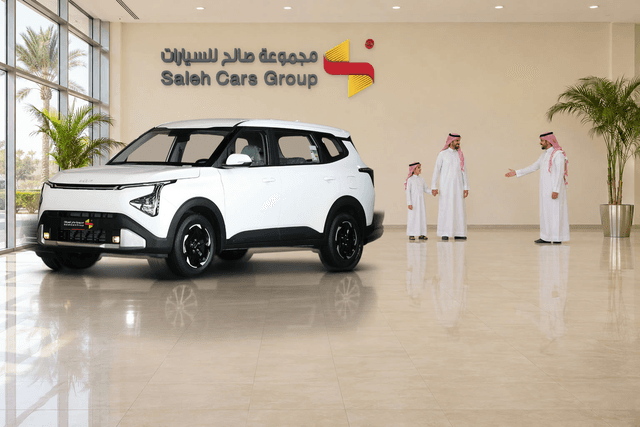
Best Economical Family Car 2026: 7-Seaters by Fuel Economy
Table of Contents:
|
If you are looking for the best economical family car with seven seats, this list ranks ten 7-seat cars listed on our site by the fuel-economy figure stated on their pages, from the most kilometres per litre to the least. The Toyota VELOZ GLX 2026 leads with 18.6 km/L, followed by the Hyundai Stargazer and the Suzuki Ertiga, then we set out differences in engine, power and body type.
How Did We Rank the Economical Family Cars in This List?
We ranked the cars by one stated criterion: the fuel-economy figure in kilometres per litre as shown on the listing of the representative trim of each model on our site, with the highest figure first. This ranking does not measure comfort, space or equipment, and it does not mean that any single car is the best on the market.
- The car has seven or more seats in its listing, and its listing is active on the site.
- It runs on petrol, diesel or hybrid power according to its listing; we left out listings classed as electric and listings that show no consumption figure.
- Where two cars share the same figure, we list them one after the other in the order they appear on the site.
The list reflects what is listed on salehcars.com as of November 2026. The specs are those of the named trim and vary by trim and model year, and each car page shows the exact trim and its current price. To understand the km/L figure and how to work out the fuel you need, see the guide to the fuel economy label and calculating fuel use.
What Is the Best Economical Family Car With Seven Seats on Our Site?
By the stated consumption figure, the Toyota VELOZ GLX 2026 comes first with 18.6 km/L, and the list ends with the Kaiyi X7 and the Mitsubishi Xpander Cross at 15.7 km/L each. The table brings together the trim each figure belongs to and its main specs, ordered from the highest figure.
| Car | Trim and model year | Type | Engine | Power | Gearbox (transmission) | Fuel economy |
| Toyota VELOZ | GLX 2026 | MPV | 1.5 L | 104 HP | - | 18.6 km/L |
| Hyundai Stargazer | SMART 2025 | MPV | 1.5 L | 115 HP | Automatic | 17.8 km/L |
| Suzuki Ertiga | GLX 2025 | MPV | 1.5 L | 103 HP | Automatic | 17.7 km/L |
| Kia Carens | GL 2026 | MPV | 1.5 L | 115 HP | CVT | 16.6 km/L |
| Jetour X70 | Comfort 2026 | SUV | 1.5 L turbo | 154 HP | Automatic | 16.5 km/L |
| Soueast S07 | LUXURY 2026 | SUV | 1.6 L turbo | 197 HP | Automatic | 16.0 km/L |
| Nissan X-TRAIL | S 2WD 7 seats 2026 | SUV | 2.5 L | 181 HP | CVT | 15.9 km/L |
| Soueast S09 | Luxury 2026 | SUV | 2 L | 254 HP | Automatic | 15.9 km/L |
| Kaiyi X7 | Version3 2025 | SUV | 1.6 L turbo | 183 HP | Automatic | 15.7 km/L |
| Mitsubishi Xpander Cross | Premium 2026 | MPV with crossover styling | 1.5 L | 103 HP | Automatic | 15.7 km/L |
All the trims in the table have seven seats and front-wheel drive and run on petrol according to their listings, and a dash (-) means the listing does not state the value.
Which 7-Seat Family MPVs Use the Least Petrol?
The most economical MPVs in the list by their stated figures are the VELOZ, then the Stargazer, then the Ertiga, all with 1.5 L engines and between 103 and 115 HP, and they suit city errands and daily family transport.
The Toyota VELOZ in the GLX 2026 trim has a 1.5 L petrol engine producing 104 HP and front-wheel drive, with fuel economy of 18.6 km/L, the highest figure in the list. The model is listed for 2025 and 2026, and the listing for this trim does not state the transmission type, so confirm it on the car page.
The Hyundai Stargazer in the SMART 2025 trim has a non-turbo 1.5 L engine producing 115 HP, with an automatic gearbox and front-wheel drive, and fuel economy of 17.8 km/L, a small gap from the VELOZ with slightly more power.
The Suzuki Ertiga in the GLX 2025 trim has a 1.5 L engine producing 103 HP and an automatic gearbox, with fuel economy of 17.7 km/L, a figure very close to the Stargazer.
The Kia Carens in the GL 2026 trim has a 1.5 L engine producing 115 HP and a CVT transmission, with fuel economy of 16.6 km/L, and the model is listed for 2025 and 2026 in more than one listing, so compare trims before choosing.
The Mitsubishi Xpander Cross in the Premium 2026 trim has a 1.5 L engine producing 103 HP and an automatic gearbox, with fuel economy of 15.7 km/L, and it combines crossover looks with a seven-seat MPV cabin.
Which Seven-Seat Family SUV Is the Most Fuel Efficient?
Among the SUVs in the list, the Jetour X70 records the highest stated figure at 16.5 km/L, followed by the Soueast S07, then the Nissan X-TRAIL and the Soueast S09 with the same figure, then the Kaiyi X7. These cars usually give you more power than the MPVs, in exchange for a slightly lower consumption figure.
The Jetour X70 in the Comfort 2026 trim has a 1.5 L turbo engine producing 154 HP, an automatic gearbox and front-wheel drive, with fuel economy of 16.5 km/L, the highest figure among the SUVs here.
The Soueast S07 in the LUXURY 2026 trim has a 1.6 L turbo engine producing 197 HP and an automatic gearbox, with fuel economy of 16.0 km/L, so it pairs more power with a figure close to the Jetour X70.
The Nissan X-TRAIL in the S 2WD 7 seats 2026 trim has a 2.5 L engine producing 181 HP and a CVT transmission, with fuel economy of 15.9 km/L, and its engine has the largest capacity in the list.
The Soueast S09 in the Luxury 2026 trim has a 2 L engine producing 254 HP, the most powerful in the list, and its consumption figure is 15.9 km/L, the same as the X-TRAIL.
The Kaiyi X7 in the Version3 2025 trim has a 1.6 L turbo engine producing 183 HP and an automatic gearbox, with fuel economy of 15.7 km/L.
How Do You Choose Between an Economical Family MPV and SUV?
Choose an MPV if most of your driving is city errands and family transport and you want the highest stated consumption figure, and choose an SUV if you need more power for intercity travel with the whole family on board, while accepting a slightly lower figure.
| What you need | Best match in the list | What the listings show |
| Highest stated consumption figure | VELOZ, Stargazer, Ertiga | Between 17.7 and 18.6 km/L with 1.5 L engines |
| A CVT transmission | Carens, X-TRAIL | Both listed trims have a CVT |
| More power for travel with a full load | S09, S07, X7 | Between 183 and 254 HP |
| A small-capacity turbo engine | X70, S07, X7 | 1.5 and 1.6 L turbo |
| Crossover looks with an MPV cabin | Xpander Cross | A seven-seat MPV with crossover styling |
Remember that real consumption depends on driving style, load and air conditioning use, so use the stated figure to compare cars rather than to predict your own fuel use exactly. If you have not yet decided whether you need a third row, read the guide to choosing a family car with five or seven seats, then test the third row yourself during the test drive.
To compare economical cars in general, including smaller cars, see our article on the best fuel-efficient cars of 2026.
How Much Does an Economical Family Car 2026 Cost?
The price varies by model, trim and model year, so we do not give figures here; the current price of each trim is shown on the car page itself, and current offers are on the site’s offers page. You can compare models from the list of all new cars on offer, and if you are considering instalments, use the car finance calculator to estimate the instalment for the trim you have chosen.
You can ask about the listed models at the Saleh Cars Group branches or through the unified number 920022122, and you should ask for a test drive of the exact trim you intend to buy.
Frequently Asked Questions About Economical Family Cars
What is the most economical 7-seater on petrol?
If the criterion is the stated consumption figure in our site’s listings, the Toyota VELOZ GLX 2026 tops the list with 18.6 km/L, followed by the Hyundai Stargazer at 17.8 and then the Suzuki Ertiga at 17.7 km/L.
What is the fuel consumption of the Kia Carens 7-seater?
The GL 2026 trim listed on our site shows fuel economy of 16.6 km/L, with a 1.5 L engine producing 115 HP and a CVT transmission. The figure may differ between trims and years.
Is the Nissan X-TRAIL with 7 seats fuel efficient?
The S 2WD 7 seats 2026 trim shows 15.9 km/L, a figure close to the SUVs with smaller engines in the list despite its 2.5 L engine producing 181 HP.
Does the Mitsubishi Xpander Cross have 7 seats?
Yes, the Premium 2026 trim listed on our site has seven seats, with a 1.5 L engine producing 103 HP, an automatic gearbox and fuel economy of 15.7 km/L.
Why are electric cars not included in this ranking?
Because the comparison here is between fuel-powered cars by their km/L figure, and an electric car’s consumption is not compared in the same way, so we left listings classed as electric out of the list.
Conclusion
If the stated fuel-economy figure is your first criterion, the VELOZ, Stargazer and Ertiga MPVs lead the 7-seat cars listed on our site, and if you need more power, SUVs such as the Jetour X70 and the Soueast S07 and S09 stay close in their figures. Compare the exact trim on the car page, and try it with your family before deciding.