Table Of Contents:
|
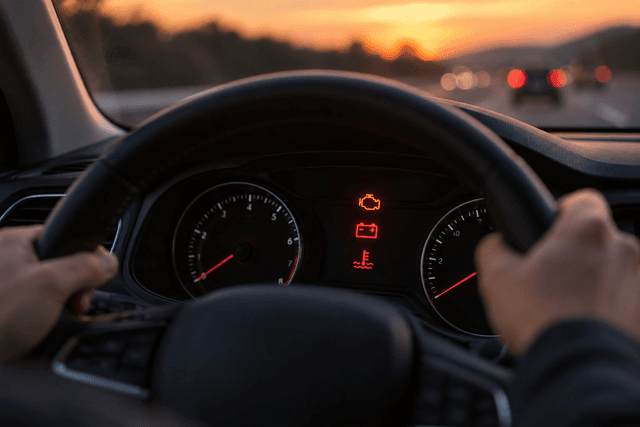
Dashboard warning lights are your car’s way of talking to you, and the color of the light is the first thing to notice: red means a hazard or a fault that requires stopping safely at the first opportunity, yellow or amber means an alert that needs a check soon, while green and blue are information lights telling you that a system is working. In this guide we explain the most important dashboard warning lights and their meanings, and what to do when each one appears, bearing in mind that symbols can differ slightly from one car to another, so the owner’s manual remains the most accurate reference for your car.
Most manufacturers use a color system similar to traffic lights, and understanding it helps you make the right decision within seconds.
When you turn the key or press the start button, most lights come on for a few seconds; this is a normal self-test in which the car confirms that the warning systems are working.
Dashboard lights do not come on for no reason, and dealing with them calmly and sensibly protects your engine and keeps you safe on the road. Remember the simple rule: red means stop safely, amber means get it checked soon, and green and blue are for information. When in doubt, stopping and asking for help is always cheaper and safer than risking carrying on driving.
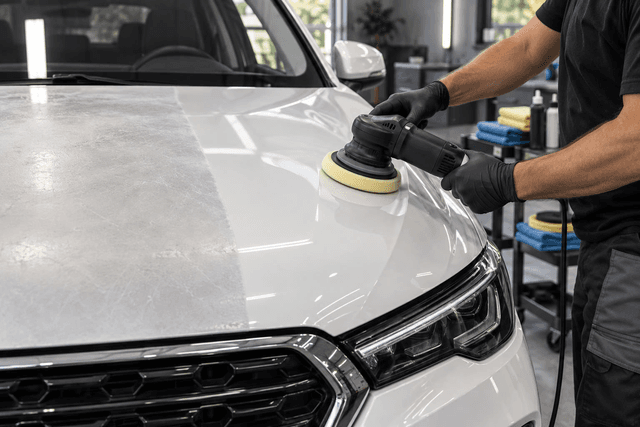
Table Of Contents:
|
Polishing is not just a step to add shine; it is a process with a proper order and the right tools, and any mistake can leave swirls and marks on the paint that look worse than the original scratches. If you first want to learn about car polish and how it differs from wax and its types, we have a separate article on it. Here, we explain how to polish your car in practice, step by step, taking into account the heat, dust, and sand of the Kingdom.
Successful polishing depends on good preparation and patience more than on the strength of the product. Always start with the mildest option, work in the shade on a clean, cool surface, and do not forget the protective layer at the end; it is what keeps the result lasting as long as possible despite the sun and dust.
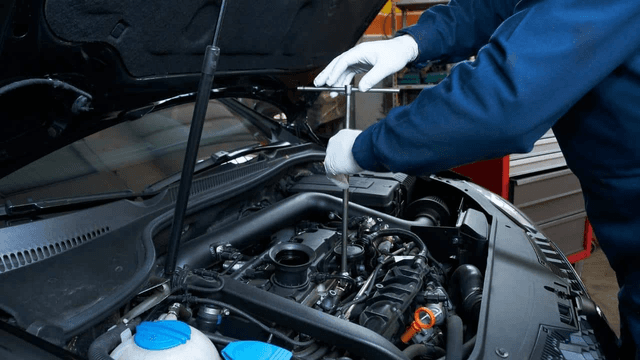
Table Of Contents:
|
Solving the problem of sudden breakdowns starts with understanding the right type of maintenance. Many drivers confuse routine maintenance with preventive maintenance, which increases the risks. So what is the step that stops these faults before they happen?
The most important differences between routine and preventive maintenance are:
Preventive maintenance helps you avoid sudden breakdowns by:
The main routine maintenance tasks include:
The most important preventive maintenance inspections are:
Routine maintenance affects a car’s lifespan as follows:
The reasons that make preventive maintenance an economical choice include:
The most important signs that indicate the need for urgent preventive maintenance are:
A driver can determine the right time for maintenance as follows:
You can combine routine and preventive maintenance by:
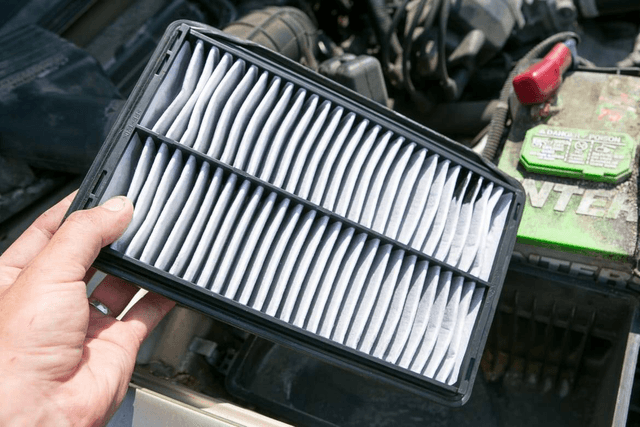
Table Of Contents:
|
Watch for changes in how your car behaves when you press the accelerator, and for increased vibrations caused by a clogged air filter restricting airflow to the engine. Do you know the signs that reveal this problem?
The most important signs of a clogged air filter include:
A dirty air filter affects engine performance through:
The air filter’s effect on fuel consumption:
Yes, the air filter can affect the car’s emissions as follows:
You can check the air filter as follows:
Yes, in some cases, including:
The air filter affects engine life as follows:
The most important ways to maintain the air filter include:
Yes, the air filter may affect the car’s acceleration as follows:
The most important differences between a genuine and an aftermarket air filter include:
Yes, the air filter can cause some problems with the air sensor, including:
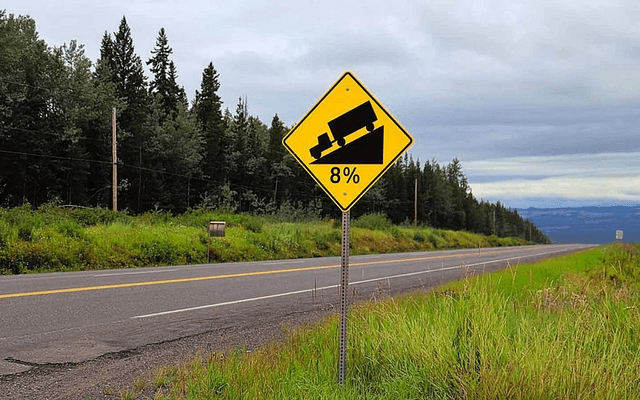
Table Of Contents:
|
On steep slopes, cars can quickly lose stability due to changing surfaces and constant brake pressure, which increases the risk of skidding. So how can a descent be controlled automatically without driver input?
This system is important on rough roads for several reasons, including:
The most important differences between the system and manual braking are:
The system maintains the following speeds during a descent:
The main cars that rely on this system include:
The system’s most important benefits for the brakes and engine include:
The system helps drivers on difficult roads by:

Table Of Contents:
|
A car’s behavior on the road changes with its drivetrain, which can leave the driver facing unexpected situations in terms of stability and traction. So how do you choose the system that prevents these problems before they happen?
Front-wheel drive works as follows:
Front-wheel drive offers several advantages, the most important of which are:
The main disadvantages of front-wheel drive include:
Rear-wheel drive works as follows:
The most important advantages of rear-wheel drive include:
The disadvantages of rear-wheel drive include:
Four-wheel drive works as follows:
The main types of four-wheel drive are:
Choosing a drivetrain to match your needs depends on the following:
The most important differences between AWD and 4WD are:
Climate affects the choice of drivetrain as follows:
The best drivetrain for mountain roads:
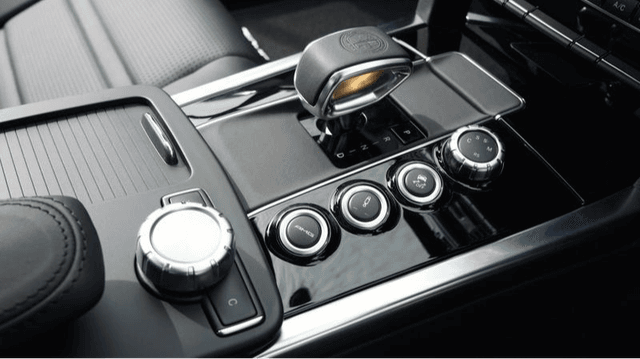
Table Of Contents:
|
Many drivers experience recurring gearbox problems, with jerks and delayed shifting, without knowing the real cause. How can understanding the types of transmission and their components help you avoid these problems?
There are many types of car transmissions, the most important of which are:
The key points about manual transmissions are as follows:
A conventional automatic transmission works as follows:
The most important components inside a transmission include:
There are a number of transmission faults, the most common of which are:
The most important guidelines to follow to keep your car’s transmission in good condition are:
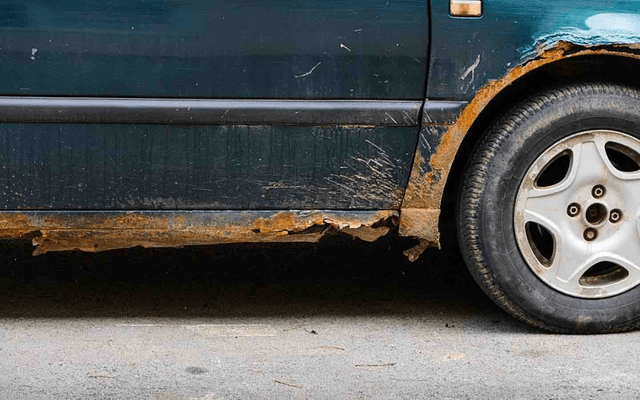
Table Of Contents:
|
You can protect your car from rust with a few simple steps, but ignoring them can turn the car’s body into a source of major losses. So how do you stop rust from spreading and protect your car effectively?
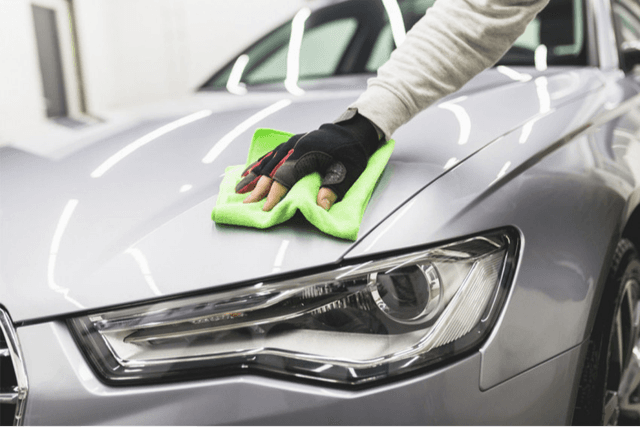
Table Of Contents:
|
A car’s paint fades over time because of the sun and dust, and surface scratches gradually begin to appear, making the car look less attractive. So how can you bring back your car’s true shine?