
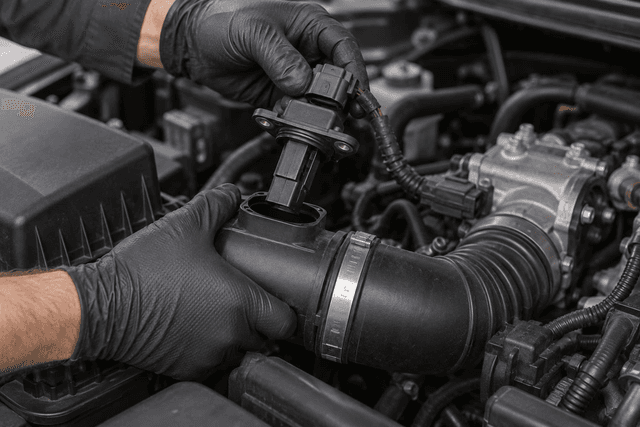
The Mass Air Flow Sensor: Its Role, Failures, and Prevention Methods
table of contents:
|
The Mass Air Flow Sensor: Its Role, Failures, and Prevention Methods
The Mass Air Flow (MAF) sensor plays a critical role in engine efficiency and fuel consumption. However, when it fails, it can lead to serious issues to your car without prior warning. So, what are the common causes of failure, and how can they be prevented?
What is a Mass Air Flow Sensor?
- The MAF sensor is a key component of the engine management system. It accurately measures the volume of air entering the engine and sends this data to the Engine Control Unit (ECU), which then adjusts the amount of fuel needed to ensure optimal combustion.
- The sensor operates using fine wires or a thin film that detects airflow. However, these elements can be easily affected by dust or dirt buildup, which compromises measurement accuracy and engine performance.
Components of the MAF Sensor
The MAF sensor consists of several main parts, including:
- Outer Housing: Typically made from heat- and corrosion-resistant materials to withstand the harsh engine environment.
- Hot Wire or Hot Film Element: This is the core measuring component. It is electrically heated and cooled by incoming air. The change in its temperature is used to calculate the volume of air passing through.
- Electronic Circuitry: Contains components that convert the sensor’s readings into electrical signals, which are then sent to the ECU for processing.
Importance of the MAF Sensor
- Enhances fuel efficiency by precisely adjusting the air-to-fuel ratio, ensuring optimal combustion and reducing fuel consumption.
- Provides accurate data that improves engine responsiveness and operational efficiency.
- Helps reduce harmful emissions by ensuring complete combustion.
What Does the MAF Sensor Do?
The MAF sensor is central to engine management. It provides real-time data on incoming air volume. Its key functions include:
- Precisely measuring the intake airflow using a hot wire or film sensitive to air temperature changes.
- Sending real-time data to the ECU, which adjusts fuel injection accordingly to achieve ideal combustion.
- Reducing fuel consumption and enhancing overall vehicle efficiency.
- Boosting engine performance, throttle response, and horsepower.
- Lowering harmful exhaust emissions through complete combustion.
- Assisting in detecting faults such as leaks or blockages via irregular readings.
- Enabling the engine to adapt to changing environmental conditions, such as altitude, temperature, and humidity.
Symptoms of a Faulty MAF Sensor
A malfunctioning MAF sensor can lead to various issues affecting vehicle performance. Early detection of these signs can help diagnose the problem and take timely action. Key symptoms include:
- Increased fuel consumption due to incorrect air-fuel ratio calibration.
- Poor acceleration and power loss caused by insufficient airflow, leading to incomplete combustion.
- Difficulty starting the engine or unexpected stalling due to an imbalanced air-fuel mixture.
- The “Check Engine” warning light appearing on the dashboard, often signaling engine management issues.
- Abnormal exhaust emissions, such as black or gray smoke from incomplete combustion.
- Engine vibration or rough idle caused by inconsistent air intake.
- Strong fuel odor due to unburnt fuel.
- High idle RPM as the system attempts to compensate for incorrect air readings.
- Struggles during low-speed driving or under heavy load, such as sluggish response or difficulty climbing hills.
Causes of MAF Sensor Failure
Several factors can lead to MAF sensor failure, affecting its accuracy and efficiency. Common causes include:
- Not replacing or cleaning the air filter regularly, leading to dust accumulation on sensor components and inaccurate readings.
- Oil leaks or exposure to chemicals near the sensor can contaminate it and degrade its performance.
- Severe vibrations or shocks from rough terrain or accidents may damage internal components.
- Exposure to extreme heat beyond the sensor’s operating limits can cause failure.
- Moisture or water entering the sensor may damage the electronic circuitry, especially if it lacks proper sealing.
- Natural wear and tear over time can reduce sensor efficiency, eventually leading to failure.
- Improper installation or faulty wiring connections can result in malfunction or sensor shutdown.
- Using non-OEM or low-quality replacement parts may lead to early failure or incompatibility with the engine system.
How to Prevent MAF Sensor Failure
To prevent MAF sensor damage, consider the following tips:
- Replace the air filter regularly to maintain clean airflow and minimize dirt accumulation on the sensor.
- Avoid using chemicals near the sensor to prevent contamination.
- Drive carefully on rough roads to reduce exposure to shocks and vibrations.
- Conduct periodic vehicle inspections to detect leaks or issues that may affect sensor performance.
- Use genuine replacement parts to ensure compatibility, reliability, and optimal sensor function.
Engine Flush Oil: Benefits, Usage, and Key Considerations
table of contents:
|
Engine Flush Oil: Benefits, Usage, and Key Considerations
If you're passionate about maintaining your car and keeping its performance at its best, this article will introduce you to the benefits of engine flush oil and how to use it properly.
What Is Engine Flush Oil?
Engine flush oil is a specialized product used to clean and maintain the internal components of a car engine. It's an essential part of routine vehicle maintenance, helping to remove deposits and impurities that build up over time within the engine.
Benefits of Engine Flush Oil
- Removes Deposits and Sludge: Over time, internal engine parts accumulate oil residues and dirt. Engine flush oil effectively dissolves and removes these contaminants, enhancing engine performance and extending its lifespan.
- Enhances Engine Performance: A clean engine runs more smoothly and efficiently, ensuring optimal performance.
- Improves Fuel Efficiency: Deposits in the engine can negatively affect fuel consumption. Regular engine cleaning with flush oil can mitigate this impact and contribute to better fuel economy.
- Reduces Harmful Emissions: A clean engine produces fewer harmful emissions, supporting environmental protection and helping the vehicle comply with emissions regulations.
Drawbacks of Engine Flush Oil
While engine flush oil offers several benefits, there are potential downsides to consider:
- May Cause Wear to Rubber Components: The chemical agents in engine flush oil can degrade rubber parts such as gaskets and seals.
- Risk of Oil Filter Clogging: The dislodged contaminants might clog the oil filter, potentially reducing engine efficiency.
- Frequent Oil and Filter Changes Required: After using engine flush oil, it's essential to replace both the engine oil and oil filter promptly.
Top Engine Flush Oil Brands
There are many engine flush products on the market, but the best ones feature strong chemical formulations capable of breaking down tough deposits inside the engine. Notable options include:
- Liqui Moly Engine Flush:
Known for its powerful formula, it removes carbon, varnish, and other contaminants. It also provides corrosion protection for engine components. - Motul Engine Clean:
This product uses a potent blend of chemicals to dissolve internal build-ups, helping improve engine performance and efficiency. - Fuchs Engine Flush:
Offers an effective formula that eliminates deposits while protecting the engine from wear and tear.
How to Choose the Best Engine Flush Oil
Here are some tips to help you pick the right engine flush:
- Look for a product with strong chemical agents capable of removing sludge and debris.
- Ensure the product is compatible with your engine type and model year.
- Follow the product manufacturer’s instructions carefully for safe usage.
How to Use Engine Flush Oil
- Choose the Right Product: Select a flush oil compatible with your engine type. Refer to your vehicle’s manual or consult a professional mechanic.
- Warm Up the Engine Slightly: Run the engine for a few minutes until it is warm—but not fully hot.
- Switch Off Before Adding: Turn the engine off before adding the flush, and never add it to a very hot engine to avoid burns, excessive vapor release or damage.
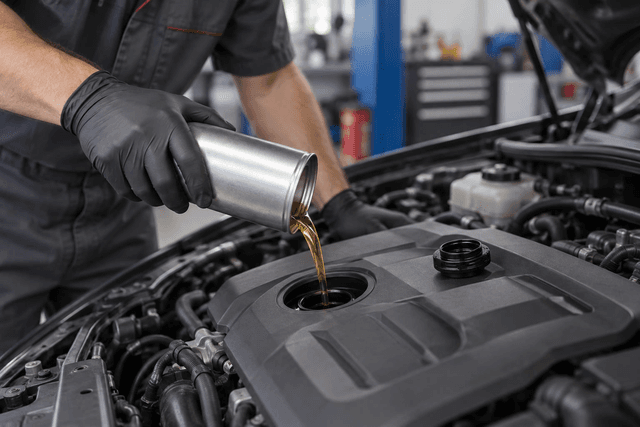
- Apply the Product Correctly: Follow the manufacturer’s instructions, applying the flush through the designated oil filler port or other recommended areas.
- Idle the Engine: After adding the flush, run the engine at idle for 5–10 minutes without driving. This allows the solution to break down and suspend deposits.
- Drain and Replace the Oil: After the flush cycle, drain the old oil and replace it with fresh oil and a new oil filter.
- Dispose of Old Oil Properly: Used engine oil is hazardous waste and must be disposed of according to local environmental regulations.
Is Engine Flush Worth It?
- Noise Reduction: A well-cleaned engine often operates more quietly, providing a smoother and more comfortable driving experience.
- Better Oil Circulation: Engine deposits can obstruct oil flow and hinder cooling. After flushing, oil circulates more freely, aiding in better cooling and reducing the risk of overheating.
Can Washing the Engine Cause Damage?
Yes, aggressive washing with water can damage internal engine filters and allow contaminants to enter the engine, potentially causing long-term harm. Improper washing techniques can do more harm than good if not performed correctly.
Why Does Engine Oil Turn Black?
During combustion, small soot particles form and mix with the engine oil, turning it black. The more soot produced, the darker the oil becomes. This is a natural process resulting from normal engine operation and fuel combustion.
Did You Know That Ignoring Transmission Fluid Changes Can Ruin Your Gearbox?
Table Of Contents:
|
Did You Know That Ignoring Transmission Fluid Changes Can Ruin Your Gearbox?
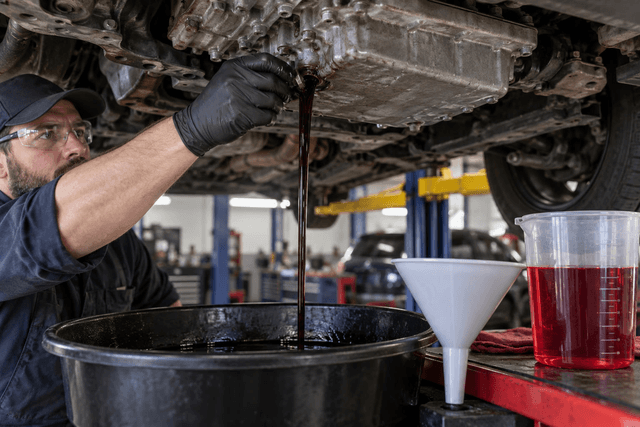
Neglecting to change your transmission fluid (gear oil) could lead to complete transmission failure. A simple maintenance task that may save you thousands in repairs. So, when was the last time you changed your transmission fluid?
What Is Transmission Fluid?
Transmission fluid, also known as gear oil, is an essential lubricant used to cool, clean, and operate the transmission system in your vehicle. The type of fluid required depends on the type of transmission, which is typically one of two main types:
- Manual Transmission
- Automatic Transmission
Each type requires a specific kind of fluid that matches its mechanical design for optimal performance.
Why Is Transmission Fluid Important?
The importance of gear oil lies in the critical functions it performs, such as:
- Reducing friction between moving parts inside the transmission, which minimizes wear and extends the system’s lifespan.
- Absorbing and dissipating heat generated by friction, helping to regulate transmission temperature.
- Ensuring smooth gear shifts, whether in manual or automatic systems.
- Preventing rust and corrosion, thanks to special additives in the fluid.
Warning Signs of Low Transmission Fluid
Transmission fluid is essential for hydraulic pressure, torque transfer, cooling, and cleaning the internal components of the gearbox. When fluid levels drop, several symptoms may arise, including:
- Slipping Gears:
One of the most common signs of low transmission fluid. If the fluid pressure drops, gear engagement becomes unstable, causing the engine RPM to rise without an increase in vehicle speed. - Unusual Noises During Gear Shifts: Grinding, clunking, or knocking sounds while changing gears can signal a malfunction in the torque converter caused by insufficient fluid.
- Delayed or Jerky Shifting: Low fluid levels disrupt hydraulic pressure, leading to delayed gear changes or sudden jolts while driving. This may also indicate a sensor issue or that the fluid needs replacing.
- Transmission Overheating: Lack of sufficient fluid increases friction inside the transmission, leading to overheating. You may notice a burning smell or even smoke coming from the gearbox area.
- Activation of Limp Mode: A major red flag of low fluid is when the transmission enters "Limp Mode". This protective mode limits the vehicle to one or two gears (typically 3rd or 4th) to prevent damage and get you safely to a repair center. A check engine light may also illuminate.
What Happens If You Don’t Change Your Transmission Fluid?
If you continue driving without replacing worn-out transmission fluid, you risk severe and costly issues such as:
- Gear wear and total transmission failure
- Loss of engine torque and reduced performance
- Fluid viscosity breakdown and loss of lubrication properties
- Unusual noises during gear shifts
- Transmission fluid leaks
- Sluggish or restricted fluid flow
When Should You Change Your Transmission Fluid?
Recommended transmission fluid change intervals vary by transmission type:
- Manual Transmission: Change fluid every 80,000 to 100,000 km, depending on driving habits and vehicle condition.
- Automatic Transmission: Most manufacturers recommend changing fluid every 80,000 km or more, based on usage and driving conditions.
Best Practices for Changing Transmission Fluid
Monitor signs like delayed shifting or unusual sounds as indicators it's time for a fluid change.- However, regular replacement based on your owner's manual is the most effective way to maintain transmission health.
- Transmission fluid change is a core aspect of vehicle maintenance and directly affects performance and longevity.
Tools Required to Change Transmission Fluid
To properly change your gear oil, ensure you have:
- Correct type of transmission fluid for your car’s make and model
- New transmission filter
- New gasket for the transmission pan
- Wrench to remove pan bolts
- Drain pans to collect old fluid
- Funnel for easy refilling
- Gloves and safety gear

Is Your Car No Longer Comfortable? The Suspension System Might Be to Blame!
Table Of Contents:
|
Is Your Car No Longer Comfortable? The Suspension System Might Be to Blame!
Do you feel like your car isn’t as comfortable as it used to be? The issue might lie in your suspension system! How can you ensure that your shock absorbers are functioning properly and prevent major issues before they escalate?
What Is the Function of Shock Absorbers in a Car?
- Shock absorbers are mechanical components that are part of the suspension system, located in both the front and rear sections of the vehicle. Their primary role is to absorb the impact from bumps and potholes during driving, thereby improving comfort and stability.
- They work by converting the kinetic energy from road impacts into heat, which helps reduce vibrations and prevents them from being transmitted into the cabin—ultimately protecting passengers from the roughness of the road.
Signs of Worn Front Shock Absorbers
Several symptoms may indicate that your front shock absorbers are failing, including:
- Strong vibrations, especially when driving on uneven roads or at high speeds, suggesting the absorbers are no longer effectively damping impacts.
- Difficulty steering or abnormal steering response during cornering, which could point to faulty front shocks.
- Clunking or knocking noises coming from the front wheels, often caused by abnormal friction due to worn shock absorbers.
- The vehicle bouncing excessively after driving over bumps or potholes, a sign of diminished shock performance.
- Uneven wear on the front tires, potentially caused by poor weight distribution due to malfunctioning shocks.
Signs of Worn Rear Shock Absorbers
Although worn rear shock absorbers may be less obvious, certain symptoms can still alert you:
- Strong vibrations when driving on rough roads or while braking, indicating weak rear damping performance.
- Increased body roll or instability when cornering, possibly due to the shocks' inability to keep the car stable.
- Fluid leaks near the rear wheels may suggest oil leakage from the shocks, a clear sign that they need replacement.
- Reduced control on off-road or uneven terrain.
- Irregular wear on the rear tires.
How to Inspect Shock Absorbers
If you suspect a problem with either the front or rear shock absorbers, you can perform some basic checks to help identify the issue:
- Visual Inspection: Check the shock absorbers regularly for oil leaks or signs of wear such as rust or cracks on the metal parts. Any fluid leakage is a clear indication of a faulty shock absorber.
- Drive Test: Drive your vehicle under various road conditions, especially on rough terrain, and observe how the car behaves in terms of vibrations or loss of control—these may indicate performance issues in the shocks.
- Tire Condition: Monitor the condition of your front and rear tires regularly. Uneven or abnormal wear patterns may point to imbalanced suspension caused by worn-out shock absorbers.
What to Do If Your Shock Absorbers Are Failing
- If you notice any signs of failing shocks or confirm an issue through inspection, don’t delay repairs.
- The best solution is usually to replace the faulty shock absorbers with the help of a qualified technician, which will improve ride comfort, increase vehicle stability, and prolong tire life.
- Shock absorbers are critical components of the suspension system and play a major role in ensuring safety and comfort during driving. Regularly monitoring for any signs of wear in both front and rear shocks helps maintain optimal vehicle performance and avoid costly repairs.
- If you observe any of the symptoms mentioned above, it’s best to visit a certified service center to have your shock absorbers professionally inspected and replaced if necessary, ensuring a safe and smooth driving experience.

Did You Know Your Car’s AC Needs Regular Maintenance to Stay Efficient?
Table Of Contents:
|
Did You Know Your Car’s AC Needs Regular Maintenance to Stay Efficient?
A little care goes a long way in extending the lifespan of your vehicle’s air conditioning system. In this article, we’ll walk you through the key steps to keep your car’s AC running smoothly and efficiently.
How Does a Car Air Conditioner Work?
- The car’s air conditioning system operates using refrigerant gas, relying on a compressor to pressurize the gas and circulate it through a cooling cycle that reduces the air temperature inside the cabin.
- The compressor connects to the evaporator, which cools the air as it passes through, and then this chilled air is distributed through the vehicle’s air vents.
- When the engine is turned off, the refrigerant stops circulating, and the car gradually warms up.
Main Components of the Car AC System
A car’s AC system consists of several key components, each with a specific role in cooling the cabin. When the system malfunctions, it's often due to an issue with one of these parts:
- Compressor
The compressor is the heart of the AC system. It functions as a pump that compresses the refrigerant (Freon) and propels it through the entire system. The cooling cycle starts here, making it a critical component.
Signs of failure include weak or no cold air, often caused by infrequent use, aging, or internal electrical faults.
- Condenser
Located behind the car’s front grille, the condenser cools the high-pressure refrigerant gas after it exits the compressor.
It consists of:
- Circuit board
- Air compressor
- Condenser fan
- Electrical coils
If the condenser is faulty, you may feel hot air instead of cool air from the vents.
- Receiver-Drier
Situated between the condenser and the thermal expansion valve, the receiver-drier filters out moisture, debris, and contaminants from the refrigerant. It acts like a filter that keeps the AC system clean and efficient.
- Thermal Expansion Valve (TXV)
This valve regulates the amount of refrigerant entering the evaporator. It reduces pressure and temperature, helping to transform the refrigerant into a low-pressure, cold gas. It is usually located between the receiver-drier and the firewall on the high-pressure side.
- Evaporator
Found behind the dashboard, the evaporator is where the refrigerant turns into a gas, absorbing heat and producing cold air that is blown into the cabin.
- Refrigerant Gas (Freon)
- Freon is the core element of the cooling process. Over time, refrigerants have evolved to become safer and more efficient, moving away from toxic compounds like ammonia and methyl chloride.
- Low refrigerant levels can significantly reduce cooling performance, so it’s recommended to inspect and recharge the system regularly, especially in summer.
Common Car AC Problems
- Compressor failure or inefficiency: If the compressor fails or becomes weak, the system can't produce cold air. Causes include lack of use, aging, or internal faults.
- Refrigerant leak: One of the most common issues. Leaks may occur in hoses or connectors due to age or accidents, leading to poor or no cooling.
- Damaged or clogged condenser: Can result from impacts (e.g., rocks) or dirt buildup, preventing heat dissipation and causing hot air to blow into the cabin.
- Electrical issues: Faulty wiring, corroded connectors, or poor maintenance can stop the AC system entirely.
- Cooling fan malfunction: Condenser cooling relies on fan efficiency. If these fans fail, the system’s ability to cool air is significantly compromised.
Does the Car AC Increase Fuel Consumption?
Yes, running the air conditioning increases fuel consumption. The AC system draws power from the engine via the compressor, which is mechanically driven. As a result, it consumes additional energy and fuel.
Factors That Influence AC-Related Fuel Consumption
- Lack of maintenance: Dirty systems or engines make the compressor work harder, using more fuel.
- Old systems or refrigerant leaks: These reduce efficiency and require more energy to cool air.
- Max cold setting: Constant use on the coldest setting increases engine load.
- Using outside air instead of recirculated cabin air increases cooling demand and fuel use.
- Parking in direct sunlight raises interior temperatures, making the AC work harder.
- Using sunshades or shaded parking reduces cabin heat and AC effort.
- Smaller engines: AC impact is more noticeable in small cars due to lower engine output.
- Hot weather: The hotter it is outside, the more energy the system uses to cool the cabin.
- City driving: Frequent stopping and starting amplifies AC fuel consumption compared to highway driving.
How to Maintain Your Car’s AC System
To keep your AC system performing well, follow these essential steps:
- Run the AC regularly, even during cooler months. Operate it for 15–20 minutes monthly to keep internal seals lubricated and components active.
- Monitor refrigerant levels (Freon). Low levels reduce cooling efficiency and can damage the compressor.
- Recharge the refrigerant when needed after safely discharging the old gas.
- Replace the cabin air filter every 12–24 months (or as the manufacturer recommends) to prevent dust and allergen buildup.
- Use specialized AC cleaning sprays every two years to sanitize air ducts and eliminate odors.

Have you ever experienced engine trouble with your car?
Table Of Contents:
|
Have you ever experienced engine trouble with your car?
In this article, discover the most common engine faults and their causes to help you avoid unexpected breakdowns on the road.
Signs Indicating a Potential Engine Problem
- Frequent engine overheating may indicate a malfunction in the cooling system or low coolant levels.
- Engine vibrations or unusual noises could signal mechanical issues or problems within the combustion system.
- Sudden engine stall while driving or idling might be caused by fuel system faults or sensor failures.
- Difficulty starting the engine or delayed response, especially in the morning, can
point to ignition or fuel system problems.
- White smoke emanating from under the hood often suggests coolant leakage or a head gasket issue.
- The “Check Engine” warning light on the dashboard signals an internal fault that requires immediate diagnostic attention.
Common Causes of Engine Malfunctions
- Low engine oil: Increases friction, leading to rapid wear and damage of internal components.
- Engine overheating: Often caused by cooling system failures, coolant leaks, or issues
with the water pump and thermostat.
- Ignition system problems (spark plugs): Can result in engine stalling or difficulty starting.
- Fuel pump failure: Prevents fuel delivery to the engine, causing it to stall.
- Weak battery: Makes starting difficult and can cause sudden engine shutdowns.
- Cooling system issues: Damaged radiator or hoses lead to engine overheating.
- Worn belts and hoses: Affect fluid circulation and component movement, reducing engine performance.
- Clogged air filter: Restricts oxygen supply to the engine, potentially causing it to stall.
- Worn or damaged engine parts: Such as piston rings or bearings, which reduce operational efficiency.
- Check engine light:Indicates a serious issue that requires immediate diagnostic attention.
What Causes a Car Engine to Stall While Driving?
- Fuel depletion: One of the most common reasons for a sudden engine shutdown.
- Faulty ignition coils or spark plugs: Disrupt the combustion process, causing the engine to fail.
- Clogged air filter: Restricts airflow and limits the oxygen needed for proper combustion.
- Weak car battery: Reduces the electrical power required to keep the engine running, leading to unexpected stalling.
- Engine overheating: One of the most critical failures that can cause the vehicle to stop abruptly while driving.
Causes of Engine Stalling When the A/C Is Turned On
- Running the A/C draws additional power. If the battery is weak or undercharged, voltage may drop, causing the engine to stall.
- Inefficient charging can drain the battery, leading to engine shutdown.
- Issues with refrigerant pressure or compressor performance can increase engine load and trigger stalling.
- Engine overheating The added strain from the A/C can raise engine temperature. If it exceeds safe limits, the engine may shut off.
- A failing fuel pump or clogged fuel filter can reduce fuel flow, causing the engine to stall when the A/C is activated.
What to Do When Your Car Engine Overheats?
- Pull over safely and turn off the engine to prevent further damage.
- Wait for the engine to cool down before opening the hood to avoid burns.
- Check the coolant reservoir to ensure fluid levels are within the recommended range.
- Look for leaks or wet spots around radiator hoses or under the car.
- Inspect the cooling fan and thermostat to confirm they’re functioning properly.
- If the issue persists or the cause is unclear, consult a qualified mechanic for diagnosis and repair.
How to Prevent Engine Problems
- Stick to regular maintenance and inspections: Routine checks help detect issues early and reduce long-term repair costs.
- Monitor oil and fluid levels: Keep engine oil, coolant, and brake fluid within recommended levels for optimal performance.
- Inspect spark plugs regularly: Replacing worn spark plugs on time ensures smooth engine operation and prevents misfires.
- Test the battery frequently: A healthy battery and clean connections are essential for reliable engine startup.
- Use the right fuel: Follow the manufacturer’s fuel recommendations to avoid buildup and engine damage.
Signs of a Failing Starter Motor in Your Car
Table Of Contents:
|
Signs of a Failing Starter Motor in Your Car
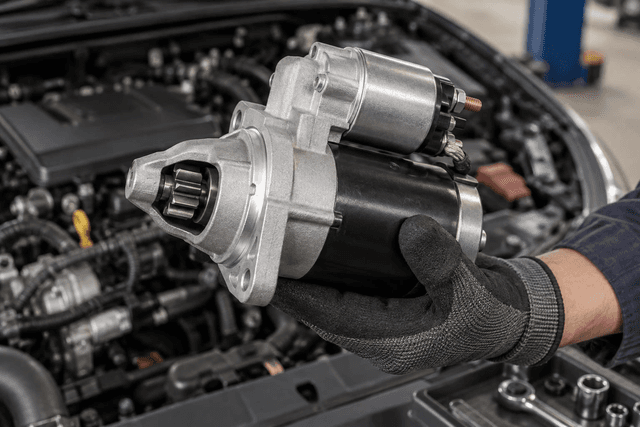
Testing your car’s starter motor is key to reliable engine performance. This guide shows how to detect and fix starter issues early before they turn into costly breakdowns.
What Are the Symptoms of a Failing Starter Motor?
- A malfunctioning starter motor can cause a range of issues when trying to start your vehicle. Here are the most common signs that may indicate the starter is failing or already damaged:
- Check Engine Light Appears: Many modern vehicles are equipped with onboard diagnostic systems that can detect starter-related faults. If the engine is slow or hesitant to start and the Check Engine light appears, the issue might lie within the starter itself possibly requiring inspection or replacement.
- Dimming Lights During Startup: If you notice a noticeable dimming of the headlights or interior lights when turning the key or pressing the start button, it may indicate that the starter is pulling more current than normal due to internal resistance or wear.
- Unusual Noises: Clicking or Grinding: A clicking sound when turning the ignition often points to insufficient power reaching the starter or a failing starter solenoid.
- Starter Spins, But Engine Doesn’t Crank: If you hear the starter motor running but the engine doesn’t turn over, it typically indicates a problem with the starter drive gear.
- Intermittent Starting Issues: If the engine sometimes fails to start on the first attempt but does start on subsequent tries, a failing starter relay might be the culprit.
- Starter Fails to Disengage: Normally, the starter should disengage automatically once the engine starts. If it continues running even after the engine has cranked, this could indicate a stuck starter relay or a mechanical fault inside the starter solenoid.
Common Causes of Starter Motor Brush Wear
The brushes inside a starter motor are essential for maintaining electrical contact between the motor's moving and stationary parts. Over time, these brushes can wear out due to several reasons:
- Starter brushes gradually wear down every time the engine is started. This is a normal aging process that occurs with extended use.
- If you're starting your engine multiple times a day or facing difficulty starting the vehicle, the starter motor is overworked accelerating the wear of its brushes.
- Repeated or prolonged starter engagement causes the motor to heat up. High temperatures can speed up brush deterioration or even cause melting in extreme cases.
- Loose or corroded cables reduce voltage delivery to the starter, forcing it to operate under higher resistance for longer periods placing extra strain on the brushes.
- Brushes made from substandard materials tend to wear out much faster and may not withstand normal operating conditions.
- Exposure to moisture or debris inside the starter housing can lead to accelerated brush erosion, short circuits, or mechanical damage.
How to Test a Car Starter Motor: Step-by-Step Guide
To accurately diagnose issues with your car’s starter motor, follow these essential steps:
- Before inspecting the starter, ensure the battery is fully charged and functioning properly. Use a battery tester or multimeter to measure the voltage. A weak or failing battery can mimic starter failure symptoms.
- Examine all wires and terminals connected to both the battery and the starter. Look for corrosion, frayed wires, or loose connections. Clean and tighten all terminals to ensure proper current flow.
- Look for any burn marks, cracks, or visible damage on the starter housing
- Sometimes, external signs of wear or overheating can immediately point to the issue.
- Using a multimeter, check the resistance across the starter’s internal windings. Abnormally high or low readings may indicate a short circuit or an open circuit within the coils.
- Use a jumper wire to create a direct connection between the battery’s positive terminal and the starter terminal. If the starter spins, it’s functional meaning the fault could lie within the ignition switch or wiring.
- The starter relay sends the signal to engage the starter. Test it with a voltage tester or multimeter. If it's not delivering current, it may need replacement.
- If the starter functions properly when powered directly but fails when using the ignition key, the issue likely lies within the ignition switch, starter circuit wiring, or a related control module.
Essential Tools for Testing a Car Starter Motor
To properly diagnose issues with your starter motor, you’ll need the following tools:
- Multimeter (Battery and Starter Tester):
Used to measure voltage, resistance, and continuity, helping you verify that electrical current is flowing correctly to and from the starter. - Screwdriver:
Needed for removing panels or accessing the starter’s terminals and wiring. - Test Light (Circuit Tester):
A simple tool that helps you quickly check whether power is reaching specific points in the electrical circuit.

Key Advantages of Each Engine Oil Type
Table Of Contents:
|
Choosing the right type of engine oil can significantly impact your car’s performance and the lifespan of its engine. In this article, we explore the main types of engine oils and the importance of each one.
The Most Important Types of Engine Oil
1. Mineral Engine Oil
Mineral engine oil is the traditional and most commonly used type in older vehicles. It is derived from refining crude oil and differs from other oils in its composition. While it is more affordable than synthetic oils, it contains larger particles that may not offer the same level of protection against wear and heat.
Advantages:
- Suitable for older vehicles with simple engines
- Lower cost compared to synthetic oils
Disadvantages:
- Less efficient at handling high temperatures
- Does not provide long-term protection like synthetic oils
- Requires more frequent oil changes
2. Synthetic Engine Oil
Synthetic engine oil is produced through a specialized chemical process that allows for more uniform and efficient oil molecules. It contains high‑quality components, making it more resistant to high temperatures and offering superior engine protection.
Advantages:
- Excellent protection in both high and low temperatures
- Reduces wear and extends engine life
- Ideal for modern vehicles requiring higher performance
- Reduces fuel consumption due to lower friction
Disadvantages:
- More expensive than mineral oils
- May not be necessary for older vehicles without advanced technologies
3. Semi‑Synthetic Engine Oil
Semi‑synthetic oil is a blend of mineral and synthetic oils. It offers better protection than mineral oil at a lower cost than full synthetic oil. It is an ideal choice for drivers who want improved engine performance without paying the full price of synthetic oil.
Advantages:
- Enhances engine performance compared to mineral oil
- Improves fuel efficiency
- Provides a good balance between cost and performance
Disadvantages:
- Does not offer the same level of protection as full synthetic oil
- Requires more frequent changes than synthetic oil
4. High‑Performance Engine Oil
This type of oil is designed for sports cars or vehicles with powerful engines. It features a special formulation that allows it to withstand extreme conditions such as high speeds and elevated temperatures. High‑performance oil contains additives that enhance engine responsiveness and efficiency.
Advantages:
- Provides maximum protection for high‑performance engines
- Enhances engine response and efficiency at high speeds
Disadvantages:
- More expensive than other types
- Not suitable for vehicles that do not require high‑performance engines
5. Multi‑Grade Engine Oil
Multi‑grade oil can be used across a wide range of temperatures. It stays fluid enough in cold weather for easy cold starts, while not becoming too thin at high temperatures. It is classified using two numbers: the first indicates cold‑temperature flow, and the second indicates viscosity at high temperatures.
Advantages:
- Ideal for use in various climates
- Improves engine performance in changing weather conditions
Disadvantages:
- May not provide the same protection as specialized oils in extreme conditions
How to Choose the Right Engine Oil
When selecting the right engine oil for your car, consider the following factors:
- The type of engine (traditional or modern)
- The climate in your region
- Always follow the manufacturer’s recommendations regarding oil type and change intervals
The Importance of Regular Oil Changes
- Even the best engine oil cannot perform effectively if it is not changed at the recommended intervals.
- Over time, oil breaks down, collects impurities, and loses its ability to lubricate the engine properly.
- Regular oil changes help maintain optimal engine performance, reduce wear, and prevent costly repairs in the long run.
How Driving Habits Affect Oil Performance
- Your driving style plays a major role in determining how quickly engine oil degrades. Frequent short trips, aggressive acceleration, and driving in heavy traffic can all cause the oil to deteriorate faster.
- Drivers who often push their engines to higher limits should consider using synthetic oils for better protection and stability.
Environmental Impact of Engine Oil
- Modern engine oils are designed not only to protect engines but also to reduce environmental impact.
- High‑quality oils improve fuel efficiency, which lowers emissions. Additionally, proper disposal of used oil is essential, as it contains harmful contaminants.
- Many service centers offer environmentally responsible recycling options to ensure safe handling of used oil.
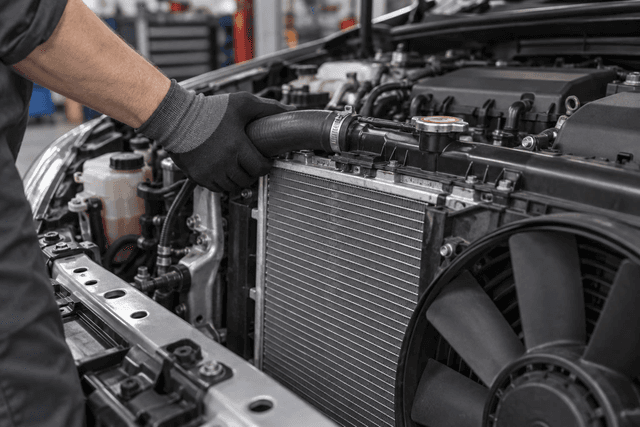
"The Vital Role of Radiators in Automotive Cooling Systems"
Table Of Contents:
|
To ensure a longer lifespan and better performance for your car, it is essential to keep the engine consistently cool. In this article, we’ll explore the importance of the radiator and its role in the vehicle.
What is a Radiator?
- The radiator is a metal component located at the front of the vehicle, just behind the front grille. It is a core part of the engine cooling system, responsible for cooling the engine, monitoring its temperature, and regulating it to prevent overheating.
- Essentially, the radiator is the main component in charge of engine cooling and preventing excessive temperature rise.
What is the Function of a Radiator in a Car?
- The radiator's primary function is to keep the engine cool, especially during hot weather or when the engine temperature rises excessively. The radiator helps reduce this heat to prevent damage to other parts of the vehicle.
- In general, the radiator regulates the engine’s temperature and helps cool the surrounding components. It is made of materials that resist corrosion over time and provide the necessary cooling level required by the engine.
How Does a Car Radiator Work?
- Once the engine heats the coolant, the hot fluid flows through special hoses into the radiator, entering from the top. The coolant then travels through a network of metal tubes.
- These tubes are exposed to outside air, which is pulled in by the cooling fan, helping to lower the fluid’s temperature before it returns to the engine.
- This continuous coolant circulation maintains the thermal balance needed for optimal engine performance.
What Are the Main Components of a Car Radiator?
Here are the key parts of a radiator:
- Radiator Core
The core is the central part of the radiator. It consists of a block of metal with rows of metal fins that help reduce the temperature of the coolant entering the radiator at high temperature and leaving at a lower temperature to cool the engine. - Pressure Cap
This cap seals the cooling system and keeps it under pressure, allowing the radiator to operate efficiently without letting the coolant boil, which could damage the engine. - Coolant Reservoirs (Tanks)
These reservoirs hold the coolant either entering or leaving the engine. They help maintain the temperature of the fluid as it passes through. - Coolant (Antifreeze)
Although not a mechanical component, coolant plays a crucial role in engine cooling. It works in conjunction with the radiator to absorb and dissipate engine heat. - Cooling Fan
The fan aids the radiator in maintaining proper temperature by blowing air across it, especially when the car is idling or moving slowly. - Radiator Hoses (Circulation Pipes)
These hoses circulate coolant between the engine and the radiator. They are vital for maintaining the fluid’s movement and ensuring proper thermal regulation. - Thermostat
Located where the radiator and engine meet, the thermostat helps regulate engine temperature by controlling coolant flow. It ensures the engine stays at the optimal operating temperature.
What Are the Types of Radiator Materials?
Radiators are made from different materials, each varying in performance and durability:
- Copper
Copper is widely used for its excellent heat conductivity and resistance to both high and low temperatures. It is lightweight and highly efficient, making it a popular choice. - Plastic
Plastic radiators are cost-effective and lightweight, but they are less durable under high heat and may degrade over time. - Aluminum
Aluminum conducts heat well and is easily repairable if damaged. It's a practical and commonly used material in modern radiator designs.
What Are the Radiator Design Types?
Radiators differ in design, although they all serve the same core function:
- Cellular Type
This design features interconnected cells or chambers that allow coolant to pass through them, cooling it before it returns to the engine. - Tubular Type
This design uses a series of connected tubes to circulate coolant in and out of the engine. It is one of the most commonly used designs in vehicles today.
Tips for Maintaining Your Radiator
To protect your radiator and ensure it performs efficiently, follow these tips:
- Always use the manufacturer-recommended coolant.
- Regularly clean the radiator from dust, debris, and insects.
- Replace the coolant every 80,000 kilometers or as recommended by the manufacturer.
- Check the coolant level frequently to avoid shortages.
- Inspect the cooling fan regularly to ensure its functioning properly.